Saudi-Sudanese Coordination Council: Turning Shared Priorities into Strategic Action
The partnership between Saudi Arabia and Sudan is entering a new phase, with both countries moving to strengthen the institutional foundations of their bilateral relations.
A New Framework for Bilateral Cooperation
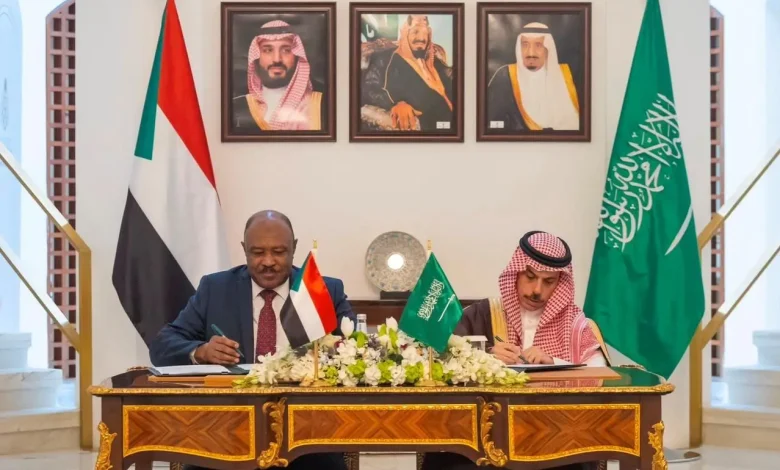
Saudi Foreign Minister Prince Faisal bin Farhan and Sudanese Foreign Minister Mohieldin Salem Ahmed Ibrahim signed an agreement in Riyadh on Monday to establish the Saudi-Sudanese Coordination Council.
The council will set an integrated framework for bringing together relevant entities from both sides and advancing cooperation through clearly defined initiatives and objectives.
In this sense, the new council signals Saudi Arabia and Sudan’s shared determination to take their bilateral cooperation to a higher level, reinforcing coordination and creating greater momentum across their relationship.
Serving as more than a mechanism for coordination, the council is envisioned as a practical framework for advancing the Saudi-Sudanese partnership. By uniting relevant institutions from Riyadh and Khartoum, it seeks to turn shared priorities into tangible initiatives and projects driven by clear objectives and measurable outcomes.
At the same time, the council is poised to strengthen greater cooperation and integration between Saudi Arabia and Sudan, translating the shared aspirations of their leaderships and peoples into meaningful progress.
Diplomatic Dialogue Sets the Stage for Closer Ties
The establishment of the council builds on ongoing political dialogue between Riyadh and Khartoum.
Earlier, Prince Faisal bin Farhan and Mohieldin Salem Ahmed Ibrahim co-chaired a meeting of the countries’ political consultation and follow-up committee, where they reviewed bilateral relations and examined avenues for solidifying cooperation across various sectors.
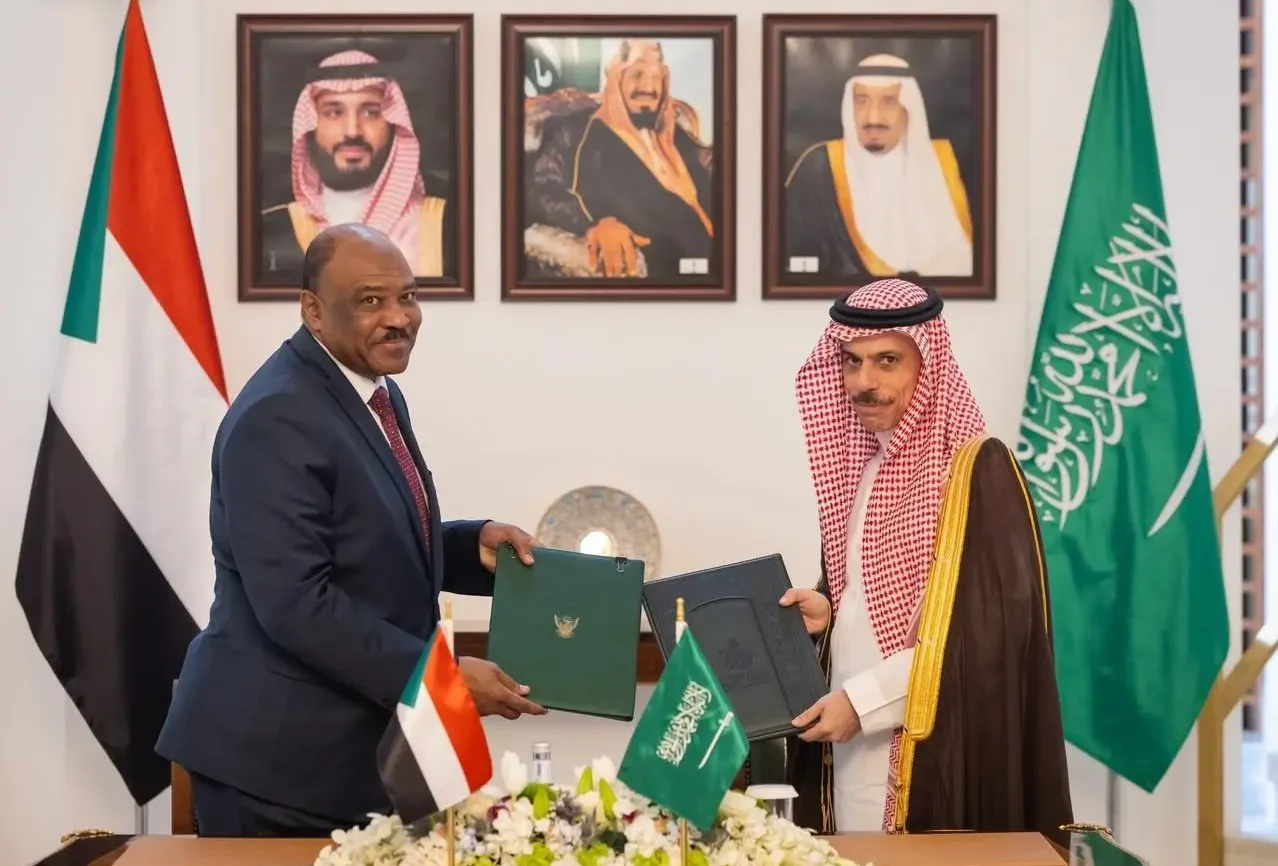
During the meeting, the two sides exchanged perspectives on the latest regional developments, underscoring the importance of continued consultation.
A Shared Commitment to Red Sea Security
Speaking to Asharq Al-Awsat, Salem labeled Saudi-Sudanese relations as “strategic,” expressing hope that the newly established coordination council would translate this partnership into tangible results.
He also highlighted the importance of Red Sea security, calling it a key priority shared by both Saudi Arabia and Sudan. Due to the two countries’ geographic and strategic ties to the Red Sea, closer coordination on regional security remains a cornerstone of their bilateral relationship.
Salem further welcomed the Makkah Joint Defense Agreement between Saudi Arabia, Pakistan, and Türkiye, voicing optimism about Sudan potentially joining a broader grouping with the Kingdom.
What Makes Saudi Arabia a Strategic Partner for Sudan?
More tellingly, Salem suggested that Saudi Arabia’s role in Sudan is defined by more than geopolitical weight. He described Riyadh’s pivotal role in the Sudanese crisis as reflecting “the sense of a neighbor, supporter and shared destiny,” signaling a relationship shaped by geographic proximity, shared interests, and longstanding ties.
He added that Sudan would welcome the possibility of joining the trilateral grouping, considering broader cooperation with the Kingdom as an exclusive opportunity to further strengthen regional security and stability.
For Salem, the depth of Saudi Arabia’s engagement with Sudan has also been reflected in its diplomatic and humanitarian response to the conflict. In this context, he commended the Kingdom’s pivotal support since the outbreak of the devastating war, which he attributed to the Rapid Support Forces and mercenaries.
Remarkably, he pointed to Riyadh’s hosting of the Jeddah talks as an early diplomatic initiative to create a vital platform for negotiations following the conflict’s eruption. He described the talks as living testament to Saudi Arabia’s commitment to Sudan and its people, highlighting the Kingdom’s role in seeking avenues for dialogue amid the crisis.
Salem also pointed to humanitarian assistance provided through the King Salman Humanitarian Aid and Relief Center, underscoring the humanitarian dimension of Saudi-Sudanese relations.
How Will the War Reshape Sudan’s Foreign Policy?
Surprisingly, the conflict has forced Khartoum to reconsider its relationships with other countries. That is why Salem noted that Sudan’s foreign policy would witness a remarkable shift in the future, mirroring a broader re-evaluation of the country’s international partnerships and priorities in the wake of the war.
Looking ahead, Salem envisioned the coordination council as a foundation for a more comprehensive strategic partnership between Saudi Arabia and Sudan, bringing political, security, economic, and social cooperation under a more unified framework.
Related Topics:
New Arab League Chief Demands Immediate Sudan Ceasefire
Riyadh Reaffirms Commitment to Sudan’s Unity, Urges Ceasefire at UN Security Council
Sudan’s RSF Commander Defects, Exposes Cross-Border Troop Movements to Blue Nile