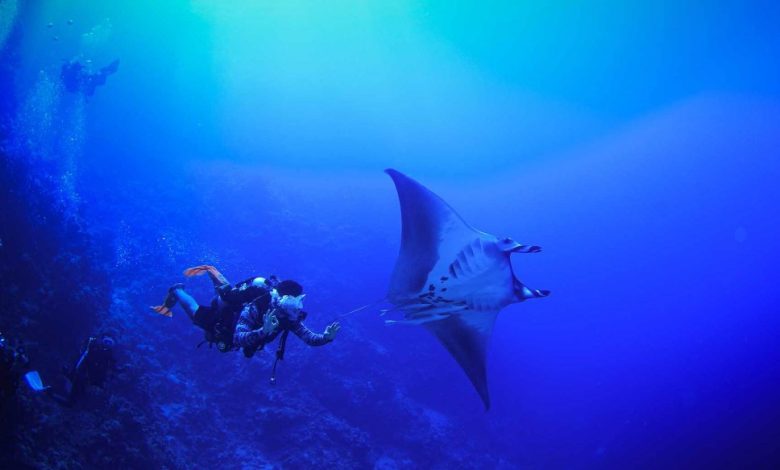
Uniquely bordered by the Red Sea to the west and the Arabian Gulf to the east, Saudi Arabia is home to thousands of miles of untouched coastlines, warm waters, and vibrant marine life.
Amid a robust tourism push across the Kingdom, these shores are rapidly becoming the favorite destination for water sports enthusiasts from around the world. The year-round warm, crystal-clear water offers ideal conditions for diving, jet skiing, or snorkeling off the Red Sea coast in Jeddah, Yanbu, or Umluj.
Riding the Surface: High-Speed Thrills
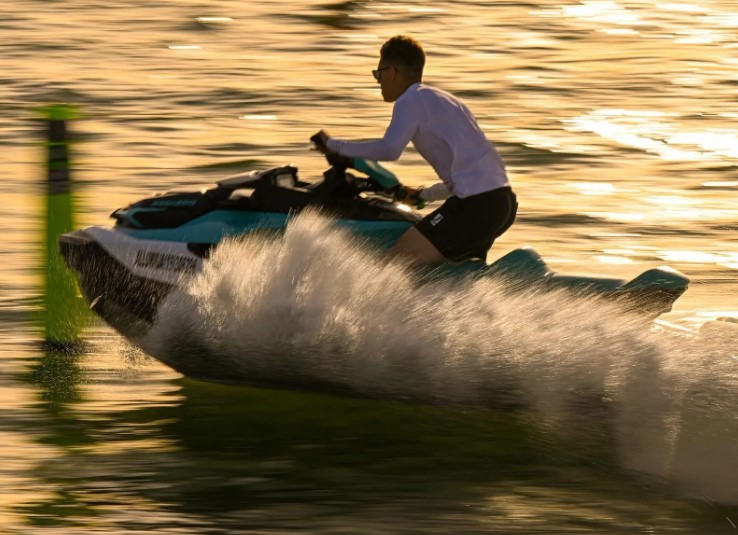
Saudi Arabia’s open waters appeal to those looking for an adrenaline rush. In Jeddah, Obhur Creek has become the ideal spot for urban jet skiing and wakeboarding, blending tranquil Red Sea waters with high-speed action.
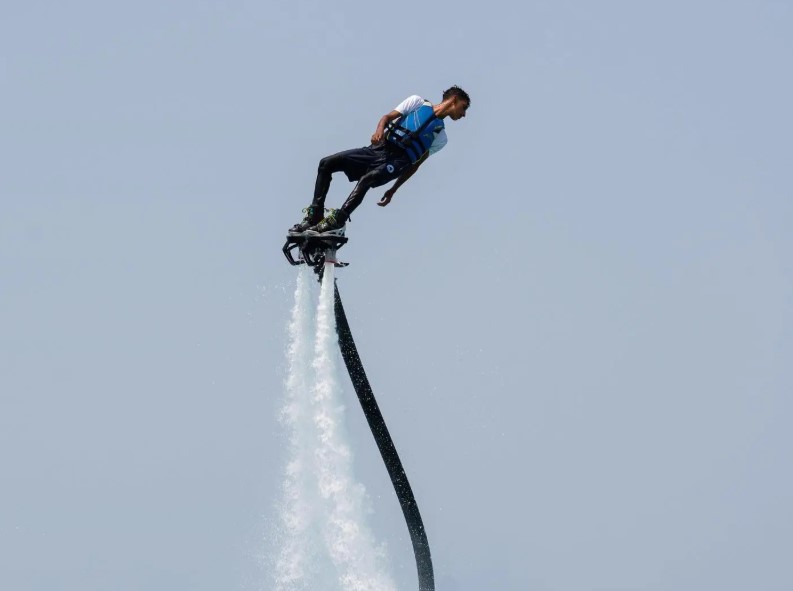
Along private beaches nearby, flyboarding operators give thrill-seekers the chance to hover 30 feet above the sea on water-propelled boots. Farther along the North Corniche, classic resort favorites like towed banana boats and wakeboarding are everyday staples.
For a different kind of pull, KONA Water Sports Park along the Red Sea introduced the Kingdom’s first cable wakeboarding system, giving riders high-speed laps without needing a powerboat. Over on the eastern side of the country in Al Khobar and Dammam, the sheltered bays of the Arabian Gulf offer calmer waters, making them ideal spots for family speedboat tours and easygoing jet ski rentals.
Harnessing the Wind and Waves
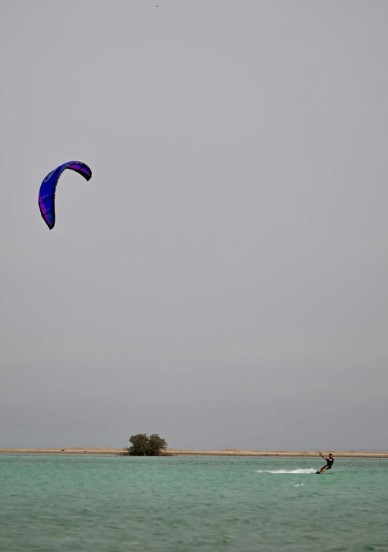
Further north, where the open coastline catches steady onshore winds year-round, wind-driven sports take center stage. The shallow, turquoise sandbars around Yanbu and the northern coastline near NEOM provide consistent breezes and warm waters, attracting kitesurfers and windsurfers looking to carve open water or catch big air without dodging heavy crowds.
At modern coastal developments like The Red Sea Project and Sindalah Island, technology and water sports are converging in quieter ways. Electric hydrofoils (e-foils) and wing-foils have become increasingly popular there. Because these boards lift above the swell on a silent motor, riders can glide effortlessly across the surface without engine noise or exhaust, protecting the delicate reef systems below.
Quiet Waters and Coastal Forests
Non-motorized sports have gained increased momentum among paddlers who prefer to take things slow. Along the calm stretch of KAUST South Beach and the newly built ADRENA Adventure District at The Red Sea project, visitors can take guided stand-up paddleboard (SUP) tours during the early morning hours before the afternoon wind kicks in.
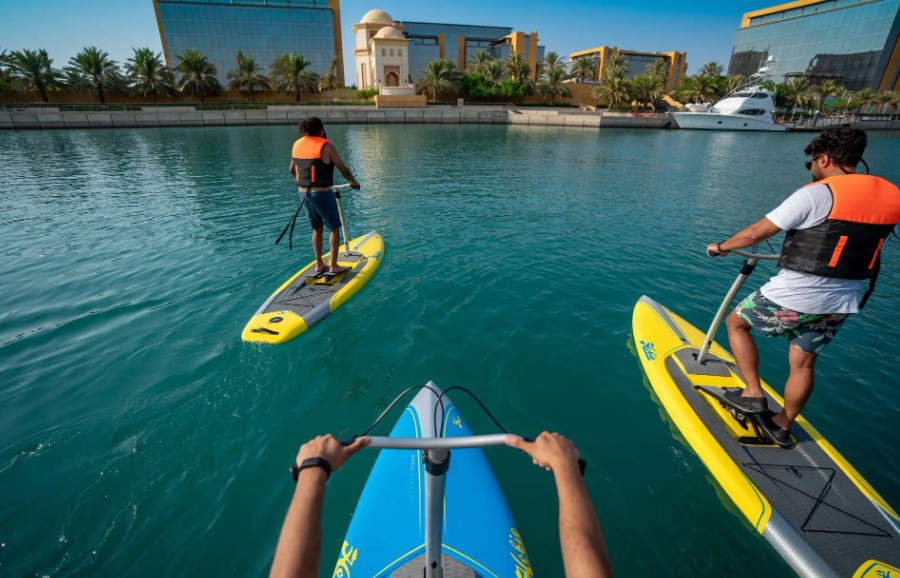
In these quieter coastal stretches, eco-kayakers can also paddle through dense channels of native mangrove forests, getting an up-close look at marine birdlife and young sea creatures sheltered in the roots.
Under the Surface: Shipwrecks and Coral Reefs
Beneath the tide line lies what many consider Saudi Arabia’s true hidden treasure: an underwater ecosystem largely undisturbed by heavy maritime traffic. The warm temperatures of the Red Sea make scuba diving and snorkeling available year-round, with visibility stretching tens of meters.
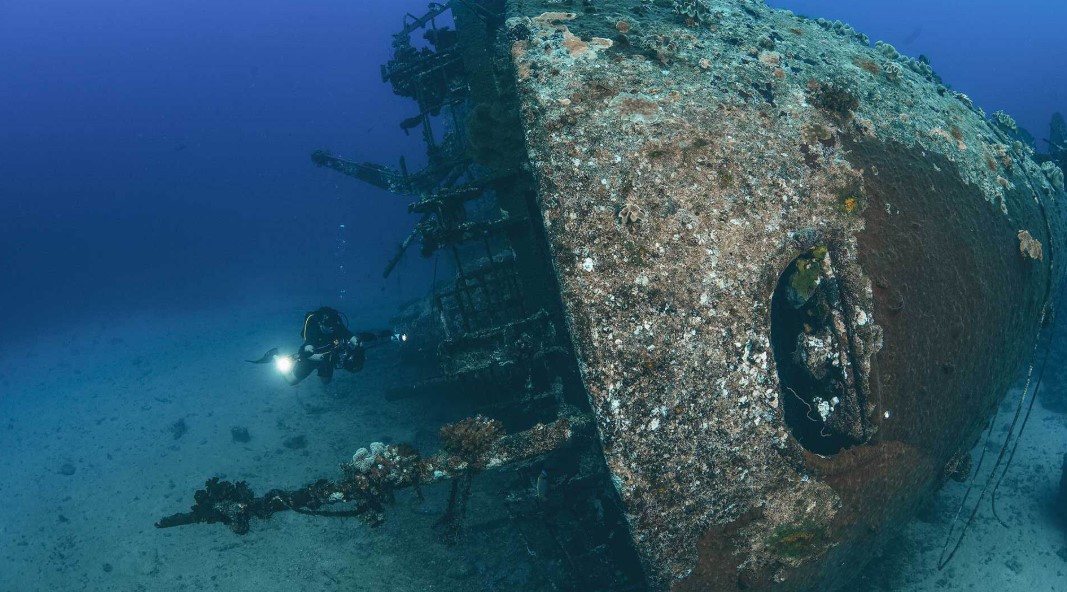
Divers flock to Jeddah for its historic wreck sites, including famous sunken vessels like the Staphonos and the Ann Ann, now completely encrusted in soft and hard corals. Farther north in Yanbu, sites like Barracuda Beach cater to technical divers eager to swim alongside pelagic sharks, schools of tuna, and barracuda along deep oceanic walls.
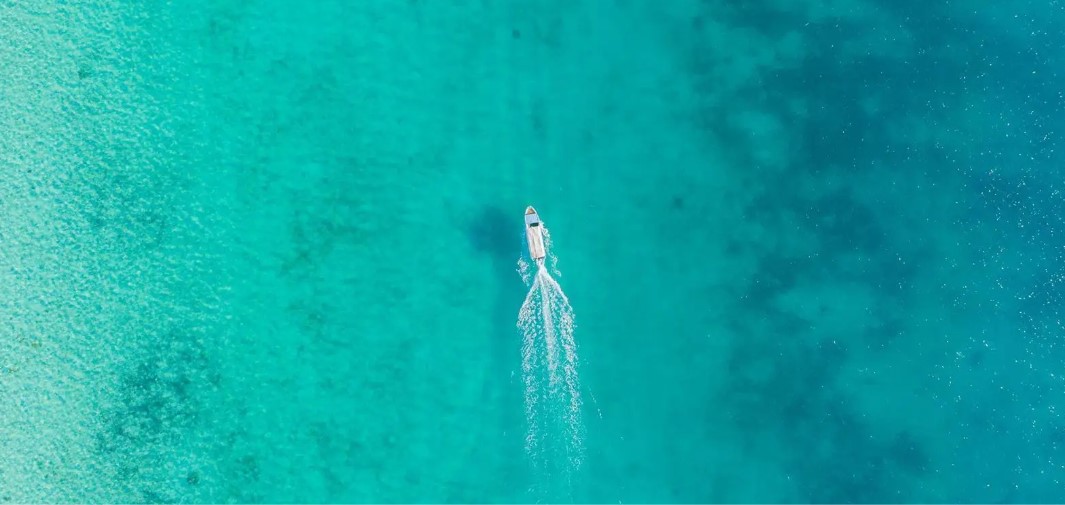
For those who prefer a snorkel and mask, Umluj, also known as the “Maldives of Saudi Arabia,” offers shallow, crystal-clear reef clusters where travelers can swim alongside hawksbill turtles in knee-deep water. Off the southwestern coast, the protected Farasan Islands archipelago off Jizan acts as a massive marine sanctuary, offering pristine coral gardens teeming with wild dolphins and protected sea life.