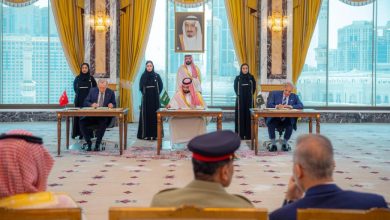
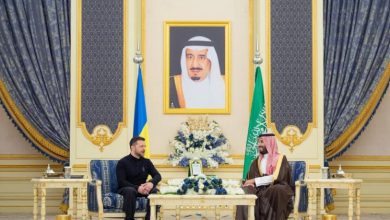
Saudi-Led Maritime Coalition Enters Operational Phase with 13 Formal Members
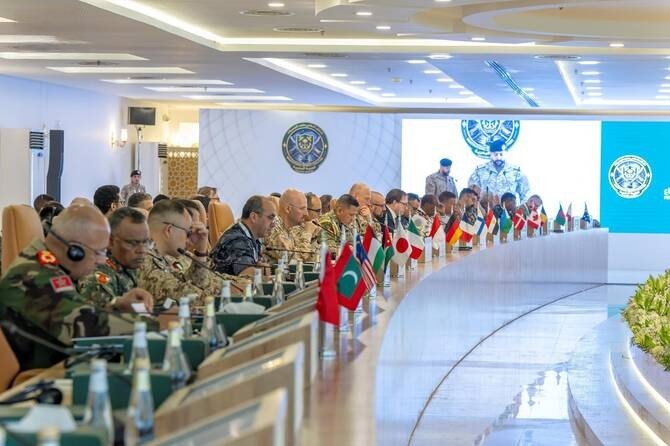
The big picture: The Saudi-led Multinational Maritime Defense Coalition finalized critical foundational arrangements to activate its operational command structure in Jeddah on Thursday. Consequently, member states began integrating military officers into joint command staff, maritime coordination, and intelligence operations centers. Saudi Rear Adm. Abdullah bin Salem Al-Shehri currently leads this multilateral defense initiative as coalition commander following his official appointment last week.
Why it matters: Strategic waterways across the region face mounting security challenges. Therefore, this alliance safeguards commercial shipping routes through the Red Sea, Bab Al-Mandab Strait, and Gulf of Aden. Furthermore, these vital corridors carry essential global energy supplies and international trade connecting Asia, the Middle East, and Europe. As a result, securing these choke points remains paramount for global supply chains.
Operational Readiness Takes Shape
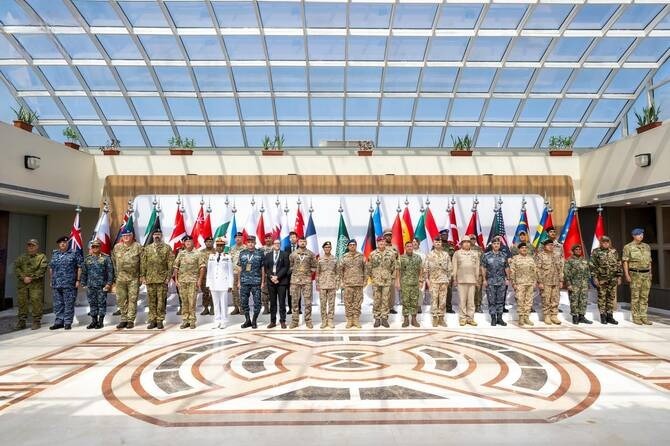
Thirty-nine countries attended the coalition’s third planning summit at the Western Fleet Command in Jeddah. Specifically, 15 nations signed the founding joint statement. Meanwhile, 13 member states completed domestic national procedures to join formally. Remaining participating states continue processing their required national approvals.
By the numbers and key facts:
- 39 countries participated in the Jeddah planning conference.
- 15 states signed the coalition’s joint founding statement.
- 13 nations completed full domestic charter ratification.
- 1 coalition commander appointed to direct joint operations.
Additionally, the Saudi Defense Ministry confirmed that these measures “accelerate the development of the coalition’s operational capabilities and enhance its readiness.” The coalition also designated its permanent Jeddah headquarters, approved its official emblem, and finalized operational reference frameworks.
Strategic Leadership and Regional Expertise
The founding nations selected Pakistan to provide the coalition’s first deputy commander. Notably, this strategic appointment deepens defense coordination alongside the Saudi-Pakistan-Turkey Makkah Defense Agreement.
Moreover, Commander Rear Adm. Abdullah bin Salem Al-Shehri brings over 32 years of military leadership. He previously directed the Royal Saudi Naval Forces Planning Authority and oversaw the Sarawat project constructing five combat ships. Furthermore, he holds master’s degrees from the US Naval Postgraduate School and Madrid’s Complutense University. Al-Shehri also directed international naval oversight committees and joint military exercises during his distinguished career.
Emphasizing long-term stability, Al-Shehri highlighted the alliance’s goal of achieving “sustainable maritime defensive participation.” He added: “The steady flow of applications reflects a growing global recognition of the coalition’s importance.”
Safeguarding Global Waterways and Trade
Crucially, Saudi officials emphasized that the coalition maintains a strictly defensive posture. Thus, the force respects state sovereignty and international law without targeting any specific nation.
However, commercial shipping faces severe security disruptions. Yemen’s Iran-aligned Houthi movement repeatedly attacked merchant ships in the Red Sea. Consequently, global shipping lines rerouted commercial vessels around Africa’s Cape of Good Hope, raising international freight costs dramatically. Meanwhile, Iranian threats near the Strait of Hormuz create ongoing instability in vital energy markets.
Between the lines: The defense ministry highlighted this operational transition as “a major step in building a sustainable multinational maritime defense coalition.”
What’s next: Member states will deploy qualified naval officers into joint operations centers immediately. Additionally, participating naval forces will conduct joint maritime exercises to refine multilateral operational coordination and readiness. Ultimately, Saudi Arabia continues processing international membership applications to protect shared maritime security across all critical global trade routes and strategic waterways.