Saudi Doctor Develops Cure for Sickle Cell Anemia
Saudi Doctor Develops Cure for Sickle Cell Anemia
Dr. Ali Hussein Al Hasan has developed a new cure for hereditary sickle cell anemia using generative artificial intelligence and nanotechnology, reported Al Arabiya.
Al Hasan is an academic researcher at King Abdulaziz City for Science and Technology and an adjunct professor at Al Faisal University in Riyadh.
At the World Economic Forum in Davos, the the Minister of Communications and Information Technology Abdullah Alswaha praised this Saudi achievement. This achievement embodies the momentum currently occurring in the healthcare sector.
Dr. Al Hasan conducted a trial on more than 15 patients at the National Guard Hospital in Riyadh. The experiment achieved an 85% response rate, indicating the new treatment’s effectiveness for this hereditary disease.
“This national achievement is close to my heart, as I lost my elder sister to a hereditary disease. This particular disease I will share with you is called sickle cell disease,” said Alswaha.
What is sickle cell anemia?
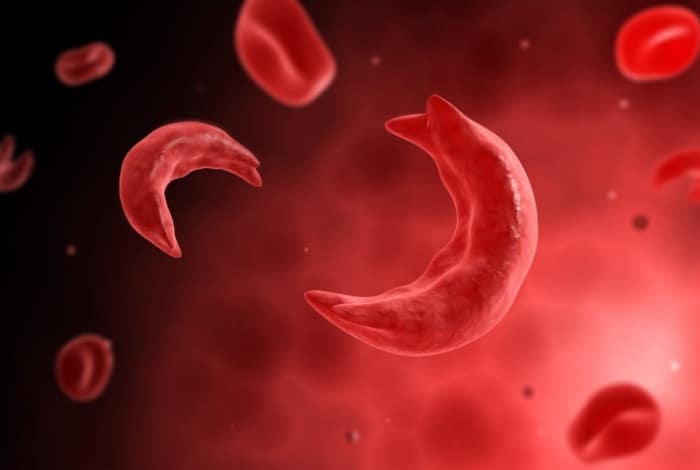
He explained that sickle cell anemia affects red blood cells when they take on a crescent shape. It leads to the obstruction of blood vessels, and can affect limbs. This disease predominantly affects the global south, with a 75% prevalence in Africa.
Using AI in Medicine
“Using generative artificial intelligence in collaboration with Google, we launched a Google Cloud connection point last August, and a startup called NanoPalm. It scientifically benefited from generative artificial intelligence to complete the drug formulation,” he added.
“Instead of the 10 to 15 years and historically $3 million cost to formulate a drug, the cost today is $300,000 and in less than two years,” he added.
Alswaha noted that the new cure uses large language models to link proteins and enzymes with nanorobots technology. When introduced into your skin, nanorobots technology can penetrate cell walls and modify genes to avoid these hereditary diseases.
He emphasized that this achievement would not have been possible without generative artificial intelligence and this collaborative ecological approach.
Related Topics
KSA Students Make Headlines in International Junior Science Olympiad
Saudi Health Minister Participates in OECD Meetings in Paris
Saudi Arabia Joins WHO in Emergency Health Appeal