Saudi Arabia’s Road Projects Reach 95.5% Compliance as Infrastructure Drive Accelerates
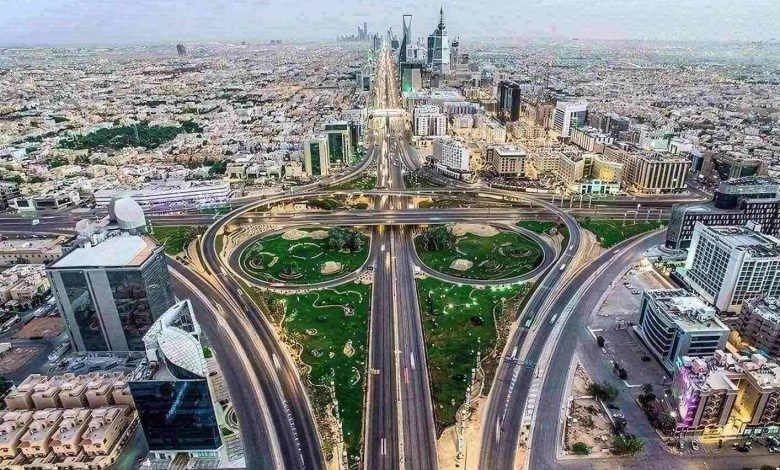
The big picture: The Roads General Authority (RGA) achieved a landmark 95.5% compliance rate for road construction projects outside urban boundaries. Consequently, the authority outperformed its 2025 target of 90% and 2030 target of 92% ahead of schedule.
Why it matters: The Kingdom is racing to turn its road network into the backbone of a national logistics hub under Vision 2030. This result shows the RGA isn’t just building more roads, it’s building them on time and to standard, which matters just as much for investors and pilgrims as raw kilometers do.
An RGA spokesperson stated: “This accomplishment demonstrates our dedicated monitoring of road construction and our commitment to elevating operational discipline across field operations.”
Outperforming National Benchmarks
The authority maintains stringent oversight to ensure contractors meet strict technical specifications. Therefore, higher discipline directly translates to superior infrastructure quality and enhanced safety for motorists.
By the numbers:
- 5%: Project execution discipline rate achieved outside urban boundaries.
- 90%: Original baseline project discipline target set for 2025.
- 92%: Original baseline project discipline target set for 2030.
- 40: New road construction projects completed in first-half 2026.
- 900+ km: Combined length of 40 new roads opening across five key provinces.
- 32,000+: Service permits issued during the period.
- 7 million+: Freight truck trips moving across primary logistics corridors.
Moreover, the authority enforces compliance with the official Saudi Road Code to maintain structural integrity and maximize asset longevity. For example, the code establishes unified technical guidelines across design, construction, and maintenance phases. Additionally, regular field inspections verify compliance at every project site. Consequently, these systematic evaluations elevate traffic safety and operational efficiency across the entire country.
The infrastructure push also feeds directly into road safety, historically one of the Kingdom’s toughest Vision 2030 challenges. Saudi Arabia’s road fatality rate has already fallen sharply, from 28.8 deaths per 100,000 people in 2016 to 18.5 in 2021, a 35% drop achieved through stricter enforcement, better emergency response, and safer road design. The RGA now wants to push that rate below five deaths per 100,000, a benchmark aligned with the International Road Assessment Program and tighter than the Kingdom’s own 2030 health-sector target of under 10.
Powering Regional Mobility and Trade
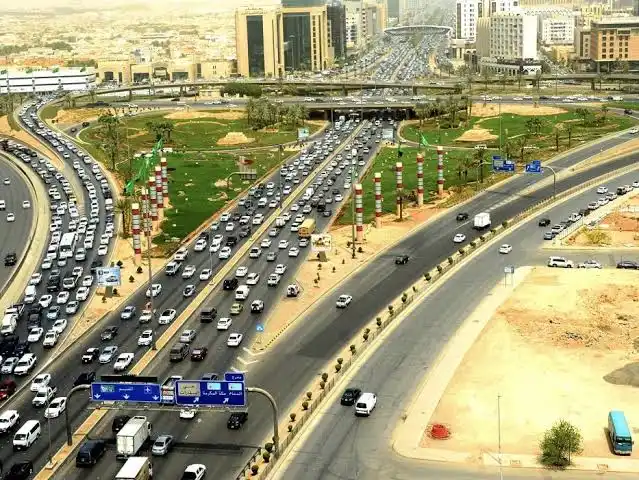
During the first half of 2026, the RGA expanded infrastructure across five strategic provinces. Specifically, new projects transformed transport links in Makkah, Madinah, Asir, Eastern Province, and Qassim.
These new corridors connect vital agricultural, commercial, industrial, and religious hubs. As a result, commuters experience shorter travel times, improved road safety, and seamless inter-city transit. In addition, improved regional connectivity supports growing tourism and cultural pilgrimage flows. Currently, Saudi Arabia manages a vast intercity road network exceeding 73,000 kilometers. Therefore, strategic road investments enhance regional trade corridors and facilitate seamless commercial movement across all provinces.
Furthermore, heavy freight routes absorbed over 3.7 million truck trips during the same six-month period. Thus, robust highway infrastructure effectively handles expanding industrial output and heavy commercial traffic. In addition, the authority advances environmental sustainability initiatives. For instance, recent strategic partnerships with local municipalities actively promote waste recycling in road paving projects. Hence, sustainable engineering practices reduce raw material consumption while cutting overall construction expenditure.

Paving the Way for Vision 2030
These operational milestones directly align with the National Transport and Logistics Strategy (NTLS). Ultimately, Saudi Arabia aims to establish itself as a premier global logistics hub connecting Asia, Europe, and Africa.
Analysts expect Saudi Arabia’s construction sector overall to grow at an average annual rate of 5.4% between 2026 and 2029, fueled by tourism, industrial expansion, and preparations for the 2034 FIFA World Cup. Roads sit at the center of that buildout: they connect new industrial zones, support the Kingdom’s bid to host up to 30 million pilgrims a year by 2030, and reinforce Saudi Arabia’s pitch to become a global logistics crossroads linking Asia, Africa, and Europe.
Consequently, the Saudi road sector remains a central engine for economic diversification, tourism growth, and regional leadership.
What’s next: Expect the RGA to keep leaning on execution discipline as its signature metric, since it lets the authority claim credit for quality and speed at once. With 2030 targets already broken, the real test now shifts to whether that pace holds as project volumes keep climbing toward the World Cup and beyond.