Dammam Airports Inks Design Deal to Expand King Fahd International
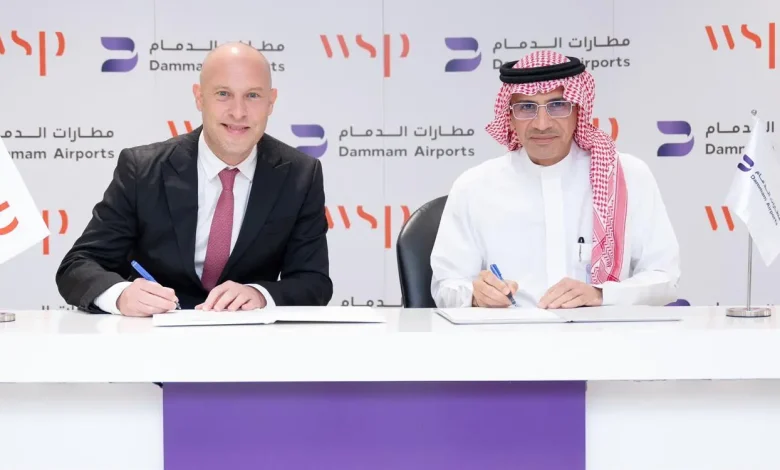
Dammam Airports has signed a design contract to advance the development of King Fahd International Airport in line with its approved master plan. The agreement was executed by Dammam Airports CEO Eng. Mohammed bin Ali Al-Hasani and Dean MacGill, Regional Managing Director for the Middle East and Asia at WSP.
Strategic Milestone for Airport Growth
Al-Hasani described the signing as a pivotal step in the airport’s ongoing transformation, marking the transition from planning to detailed design for a multi-phase expansion. He emphasized that Dammam Airports is upgrading facilities, expanding capacity, and enhancing the passenger experience through contemporary design and smart technologies. These improvements aim to meet traveler needs while accommodating projected growth in passenger traffic and air cargo, further establishing the airport as a global gateway connecting the Eastern Province to international destinations.
The executive noted that the project is structured to support both immediate operational gains and long-term scalability, ensuring that upgrades in terminals, runways, and support facilities remain aligned with forecast demand through 2030 and beyond.
Project Components: Terminals, Access, Passenger Systems
The contract encompasses the design of expanded passenger terminals, facility modernization, and enhancements to airport entrances and access routes to ease congestion and improve traffic flow. It also includes upgrades to baggage handling systems, digital services, and in-terminal wayfinding to streamline procedures and improve passenger comfort.
Key elements include redesigned check-in and security zones, expanded boarding areas, and integrated digital platforms for real-time flight information and self-service options. The access improvements cover approach roads, drop-off and pick-up zones, and connections to surrounding transport networks, aiming to reduce wait times and enhance the overall journey from curb to gate.
Capacity Roadmap Through 2030
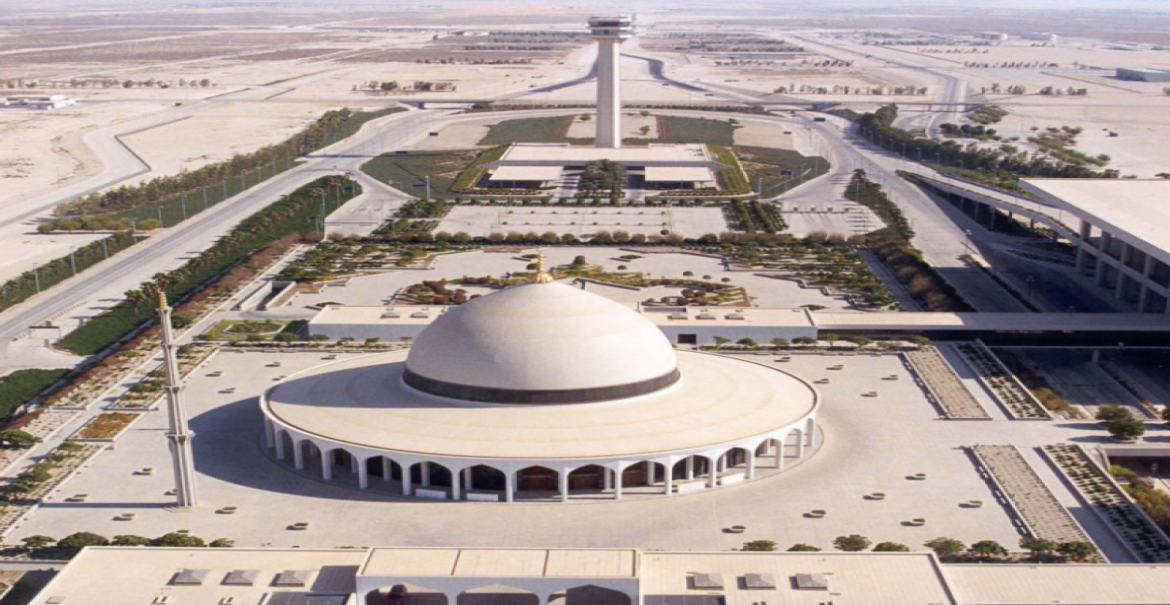
Under the master plan, the airport is set to handle more than 19.3 million passengers annually by 2030, with capacity gradually increasing to 32 million passengers per year. Air cargo handling is targeted to exceed 600,000 tons annually, while aircraft movement capacity will rise to 77 planes per hour. These goals will be supported by comprehensive expansions of infrastructure, runways, and general aviation facilities.
https://x.com/JawalAlsharqya/status/2099128014822887714
The phased approach allows the airport to scale operations in step with airline route growth and logistics demand, while minimizing disruption to ongoing flights. By aligning terminal expansions with runway and taxiway enhancements, the plan seeks to maximize turnaround efficiency and reduce delays during peak periods.
Emphasis on Smart Systems, Sustainability
The project prioritizes the integration of smart technologies, improved system interoperability, and greater operational efficiency. It also incorporates sustainability measures to enhance energy and resource efficiency, reduce environmental impact, and strengthen the resilience of airport infrastructure.

Planned initiatives include advanced building management systems, energy-efficient lighting and cooling, and data-driven maintenance schedules to optimize performance. The design also factors in climate considerations, using materials and layouts that lower heat gain and support long-term durability under local conditions.
Supporting National Aviation Ambitions
The agreement builds on Dammam Airports’ broader efforts to advance the airport ecosystem and operational performance, contributing directly to the objectives of Saudi Arabia’s National Aviation Program and Vision 2030.
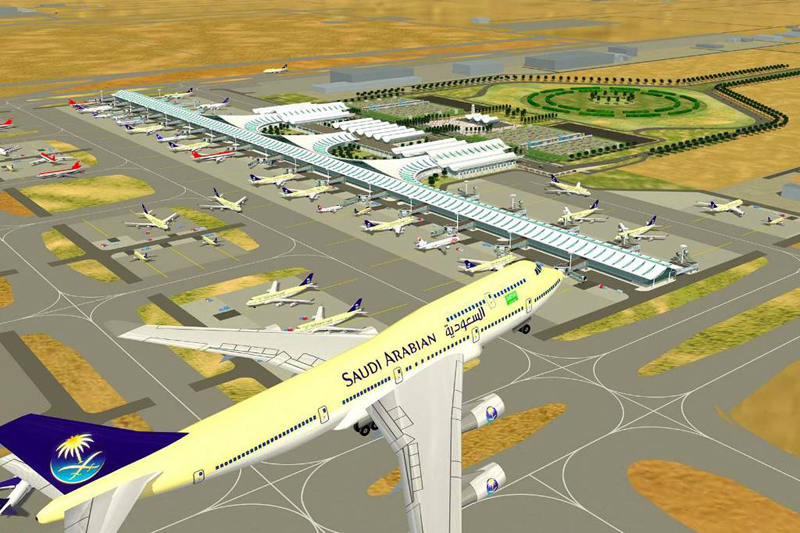
By expanding capacity and elevating service quality, the project is expected to attract additional airlines and routes, boost cargo throughput, and strengthen the Eastern Province’s role in regional and global aviation networks. The development also aligns with broader economic diversification goals, supporting tourism, trade, and investment flows through improved air connectivity.
Related Topics:
Dammam Airports, Zain Saudi Arabia Collaborate to Boost Aviation Digital Transformation
Saudi Airports Set New Records with 140.9 Million Passengers
Zain Saudi Arabia’s Profits Jump to 1.27 Billion Riyals
SDAIA Highlights Saudi Arabia’s Digital Transformation at Expo 2025 Japan