
Saudi Naval Modernization: Al-Sarawat, Tuwaiq Projects Drive Readiness, Industrial Localization
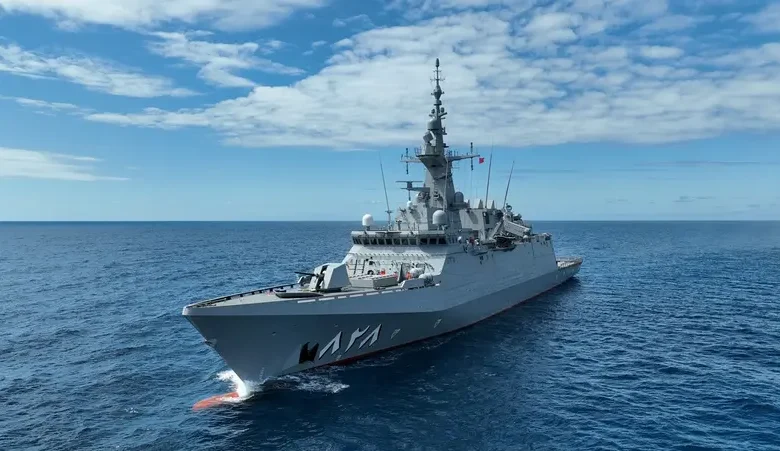
The Ministry of Defense is accelerating efforts to build a modern naval force equipped with advanced combat systems and built on operational efficiency, cutting-edge technology, and qualified Saudi personnel. The effort falls under the Ministry of Defense Development Program, launched according to the vision of Crown Prince and Prime Minister Prince Mohammed bin Salman and approved by Custodian of the Two Holy Mosques King Salman bin Abdulaziz, Supreme Commander of the Armed Forces, through the program’s charter on February 26, 2018.
The charter set out a new vision and strategy, a target operating model, an organizational structure, a governance framework, and human-resources requirements. It aims to improve spending efficiency, modernize equipment and weapons, achieve joint operational superiority, support the localization of military manufacturing, develop individual performance, and raise morale.
The development of the Royal Saudi Naval Forces is a central component of this program, reflecting the strategic importance of the maritime domain to the Kingdom. It includes protecting Saudi coasts along the Red Sea and the Arabian Gulf, securing vital shipping lanes, safeguarding national interests and strategic assets, and contributing to regional and international security and stability.
Two Pillars of Operational Readiness
The Naval Forces are upgrading their combat systems, strengthening operational readiness, and expanding human and technical capabilities through strategic projects that form the foundation of their modernization. The Al-Sarawat and Tuwaiq projects stand out as the most significant of these initiatives.

Together, they represent a qualitative shift in naval-capability development, combining the modernization of combat systems, technology transfer, localization of military industries, development of national expertise, and expansion of maritime infrastructure. These efforts support Saudi Vision 2030’s goal of building a sustainable national defense-industrial base and enhancing the readiness of the Armed Forces.
Al-Sarawat: A Qualitative Leap in Naval Capability
The Al-Sarawat project reflects the Ministry of Defense’s approach to naval development through an integrated maritime system based on multi-mission combat vessels, technology and knowledge transfer, stronger operational readiness, and localized military manufacturing.
The project covers the manufacture of eight modern Avante 2200-class corvettes equipped with advanced combat systems. It also provides an integrated support framework that includes logistics, technical assistance, long-term sustainment, maintenance facilities, training simulators, and qualification programs.
The project is being implemented in two phases. The first included the construction of five combat vessels: HMS Al-Jubail, HMS Ad-Diriyah, HMS Hail, HMS Jazan, and HMS Unayzah. It also covered crew training in vessel operation and the maintenance of combat systems and key platforms, practical training using advanced simulators, and operational training at sea. The phase further included equipping land-based test laboratories and providing maintenance equipment, logistics services, and long-term sustainment to ensure the vessels’ readiness and continued operational efficiency.

The second phase covers the construction of HMS Al-Madinah, HMS NEOM, and HMS AlUla, alongside an integrated logistics-support package. The package includes crew training, a comprehensive program for more than 100 Saudi engineers, localization of new naval shipbuilding, combat-system integration, and maintenance work. These elements strengthen local content, qualify specialized national personnel, and support the creation of a sustainable naval defense-industrial base.
The vessels are equipped with advanced systems to counter air, surface, and subsurface threats, as well as sophisticated electronic-warfare capabilities for monitoring the maritime domain. These systems support the protection of the Kingdom’s strategic interests, the security of vital maritime corridors, and stronger maritime security at the regional and international levels.
Building National Maritime Industrial Base
The first phase of Al-Sarawat helped establish an integrated national system for military maritime industries through knowledge transfer, the development of Saudi expertise, and the involvement of national talent across the project’s various stages.
A key milestone came on December 4, 2023, when Minister of Defense Prince Khalid bin Salman bin Abdulaziz attended the launch ceremony of HMS Jazan at King Faisal Naval Base, Western Fleet, in Jeddah. The vessel was the fourth in the project and the first to have its combat-system construction and acceptance testing completed on Saudi soil and in Saudi waters.

Among the project’s most notable outcomes is the development of the Hazm naval battle-management system, the first Saudi naval combat-management system. The achievement reflects growing national capabilities in naval combat systems and strengthens technological independence within Saudi defense industries.
National Integration in Defense Manufacturing
Al-Sarawat is also a model of coordination among national entities in developing military industries and systems. The General Authority for Military Industries (GAMI), as the regulator and legislator for the sector, supported the project through an industrial-participation agreement with Spain’s Navantia.
The agreement set specific targets for technology localization, national-capability development, and knowledge transfer, strengthening local content, supporting the localization of military spending, and advancing the objectives of Saudi Vision 2030.

The project stems from a strategic partnership between Saudi Arabian Military Industries (SAMI) and Navantia, within broader efforts to build a national defense-industrial base capable of meeting the Armed Forces’ needs for decades to come.
Tuwaiq: Strengthening Naval Readiness
The Tuwaiq project is advancing in parallel with the Naval Forces’ modernization, within a vision focused on building a modern fleet based on the latest military technologies, higher operational efficiency, human-capability development, and stronger readiness to protect the Kingdom’s strategic interests.
The project includes the construction of four MMSC-class multi-mission combat ships: HMS King Saud, HMS King Fahd, HMS King Abdullah, and HMS King Salman. It also covers the development of King Abdulaziz Naval Base in Jubail, advanced maintenance and training facilities, an integrated logistics and technical-support system, crew qualification and training, and the provision of training simulators.
Saudi-American Cooperation in Naval Industries
Tuwaiq reflects the depth of the defense and technological partnership between the Kingdom and the United States through cooperation with Lockheed Martin and Fincantieri, in addition to collaboration with the General Authority for Military Industries. The partnership supports the localization of naval military industries, knowledge transfer, and the development of national capabilities in maritime manufacturing.

It also contributes to qualifying Saudi talent, increasing local content, creating high-quality jobs, and building specialized expertise in military maritime industries.
Together, Al-Sarawat and Tuwaiq demonstrate that Saudi naval development is proceeding within a comprehensive strategic vision that combines industrial localization, modern combat capabilities, international partnerships, national-talent development, and maritime-infrastructure expansion.
The Ministry of Defense continues to build an advanced naval force defined by readiness, efficiency, and sustainability, in line with Saudi Vision 2030’s goal of establishing a national defense industry capable of supporting national security and protecting the Kingdom’s strategic interests.
Related Topics:
The Royal Saudi Naval Forces update its fleet
Saudi Interior Min.: Tourism Companies Deceive Pilgrims, Encourage Hajj Violations
Riyadh Global Health Exhibition to Bring Together Int’nal Healthcare Experts
Intensive Preparations for Smooth, Safe Hajj Season: Mecca Deputy Governor
New Chapter Unfolded: Saudi Arabia Launches Electronic Intensive Care Unit