

In a landmark moment, French President Emmanuel Macron arrived in Riyadh following the conclusion of his recent Gulf tour.
The unscheduled visit marks a turning point in bilateral ties between Saudi Arabia and France as Macron became the first Western leader to land in the Kingdom since the recent Houthi escalation, sending a powerful message of solidarity and support.
An Unmistakable Signal
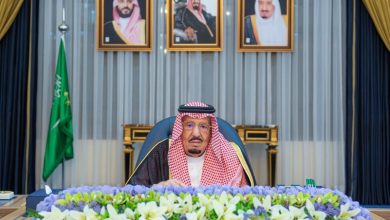
Driving the News: Saudi Arabia’s Crown Prince and Prime Minister Mohammed bin Salman welcomed France’s President Macron to Al-Yamamah Palace in Riyadh on Wednesday, October 21, 2026, reported the Saudi Press Agency (SPA).
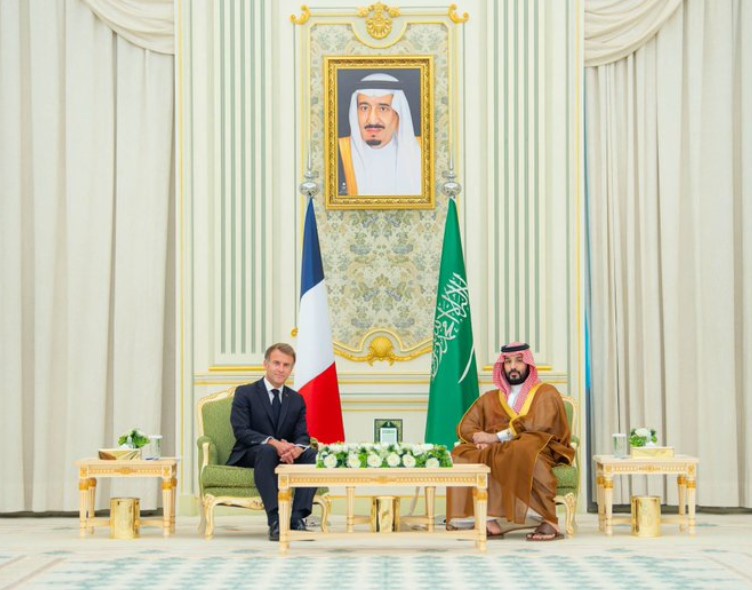
The Big Picture: Both leaders reviewed the historical and strategic bilateral ties, exploring ways to further strengthen joint cooperation across various fields. Moreover, they exchanged views on the recent regional and international developments, emphasizing the need to coordinate efforts to address them and enhance security and stability.
Why It Matters: Macron’s surprise visit comes in a critical time for Saudi Arabia and the wider region amid the escalating Houthi attacks against the Kingdom’s civilian and energy infrastructure. It makes the French President the first Western leader to touch down in Saudi Arabia since the recent military tensions intensified last month, sending a strong signal of solidarity to Riyadh.
France’s Diplomatic Support
The Context: The Élysée Palace noted in a statement that the visit aims to “demonstrate France’s solidarity with the kingdom in the face of the attacks carried out by the Houthis against its territory, and to continue efforts undertaken on securing and diversifying hydrocarbon supplies.”

Between the Lines: Macron’s plane landed at King Khalid International Airport – the aviation hub which the Houthis repeatedly targeted in recent weeks. From October 1-15, the Iranian-backed militia launched 20 attacks on the airport, killing at least 19 civilians and injuring over 364 others.
Shielding Energy Routes
State of Play: Ahead of the visit, Macron affirmed that France had sent troops to the Kingdom to help protect the Red Sea port city of Yanbu – a strategic oil export hub that has become a vital energy route to European markets via Egypt’s Suez Canal since shipping disruptions in the Strait of Hormuz.
The Backstory: On September 24, Macron pledged defense support for Saudi Arabia, including troops, radar units, and defense systems, to shield Yanbu from Houthi attacks, as Paris attempts to secure steady energy and trade supplies ahead of winter.
In His Words: “For the past eight days, we’ve had personnel and capabilities deployed (in Yanbu); we’re working with Saudi Arabia in this direction, and so we have a defensive role to play.” – Emmanuel Macron, France’s President, told reporters in Doha.
Energy Supplies Secured
Zoom In: According to the Élysée Palace, Saudi Arabia agreed to extend additional diesel supplies to France “for as long as necessary.” The main objective of Macron’s Gulf tour, which included stops at Kuwait, UAE, Bahrain, and Qatar, was to ensure stabilized energy flows during winter.
The Impact: The French leader managed to secure the delivery of an additional 200,000 tonnes of diesel per month from the UAE and Bahrain, in addition to two terawatt-hours per month of LNG from Qatar.
Safeguarding the Red Sea
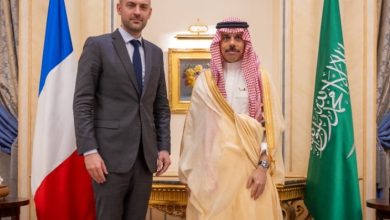
Go Deeper: Macron’s surprise stop in Riyadh followed a visit by his Foreign Minister Jean-Noël Barrot, who met with his Saudi counterpart Prince Faisal bin Farhan on October 19. During their meeting, the two ministers stressed the need to intensify diplomatic efforts to ensure the security and safety of regional waterways and freedom of navigation. They also underscored the importance of supporting efforts to reach comprehensive and sustainable solutions to ongoing regional crises, thereby bolstering security and stability.

What’s At Stake: The recent regional military tensions have turned critical waterways into flashpoints. Iran has disrupted maritime navigation in the Strait of Hormuz – through which around 20% of daily global oil and LNG supplies pass. Meanwhile, the Iranian-backed Houthi militia has escalated threats to commercial shipping in the Red Sea and the Bab al-Mandab Strait, through which around 10% to 15% of all global trade passes annually.
Looking Ahead: Alongside France, key global and regional allies are becoming increasingly aware that Houthi attacks against Saudi Arabia carry severe implications for energy security and international supply chains and pose a grave threat to their national interests. Therefore, they have rallied behind the Kingdom against Houthi aggression, providing intelligence, military, and diplomatic backing. These include the US, Egypt, the UK, Türkiye, Pakistan, Italy, and the European Union (EU).
The Takeaway: Macron’s surprise visit to Saudi Arabia is reaffirming the strong bond between Riyadh and Paris, anchoring European commitment to Gulf stability and setting the pace for Western partners.