

Saudi Arabia’s aviation sector achieved unprecedented growth in 2025, with passenger traffic reaching a record 140.9 million travelers. This milestone reflects a robust annual growth rate of 9.6%, surpassing regional averages and reinforcing the Kingdom’s position as one of the fastest-growing and most advanced aviation markets globally. The surge was driven by tourism expansion, major international events, and enhanced global air connectivity.

The 9.6% growth was the result of strategic capacity expansion and improved connectivity across the Kingdom’s airports. Of the total passengers, approximately 76 million traveled internationally, while 65 million were domestic travelers. Moreover, this growth was supported by an 8.3% increase in flight operations, with total flights reaching nearly 980,400, highlighting the sustainability and resilience of the sector’s recovery.

Major Airports Lead Growth Momentum
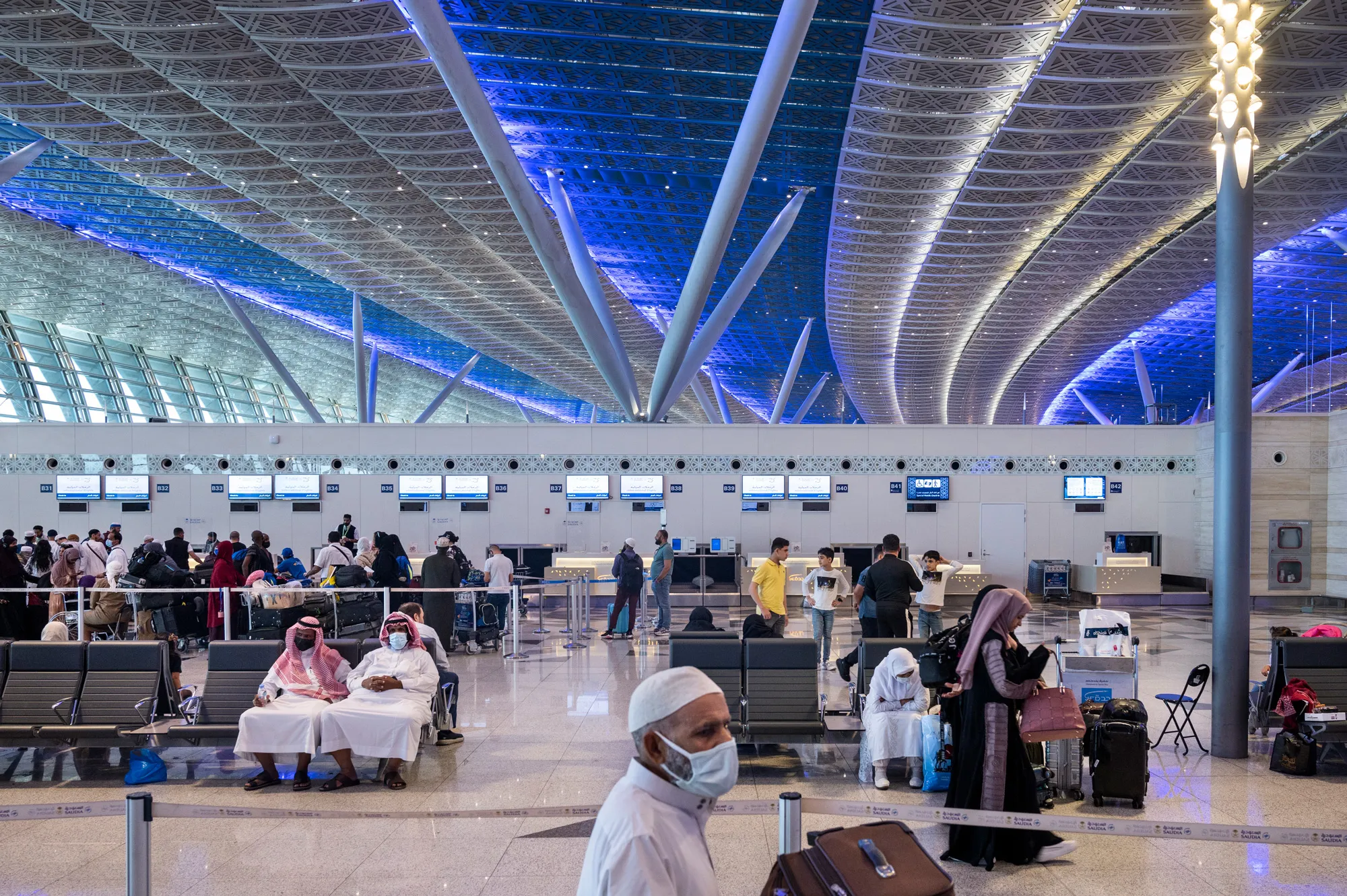
Key airports played a central role in this performance. King Abdulaziz International Airport in Jeddah led the sector, handling 38% of total passenger traffic with a daily average of 146,000 passengers and operating at 107% of its designed capacity. King Khalid International Airport in Riyadh followed closely, accounting for 29% of total passengers and serving an average of 112,000 passengers daily. Meanwhile, Madinah and Dammam airports recorded historic growth, with capacity utilization rates exceeding 137% and 112%, respectively.

Expanding Global Air Connectivity
On the international front, Saudi Arabia strengthened its global reach by connecting to 176 international destinations, each served by at least 52 flights annually. The Kingdom also stood out on some of the world’s busiest air routes, with the Cairo–Jeddah corridor ranking second globally at 5.8 million seats, and the Dubai–Riyadh route ranking seventh with 4.5 million seats.
Alongside passenger growth, the air cargo sector demonstrated stability, with volumes reaching 1.18 million tons. Riyadh, Jeddah, and Dammam airports accounted for the majority of cargo activity, underscoring aviation’s critical role in supporting economic growth and logistics services.
These figures confirm that 2025 was a landmark year for Saudi aviation. Finally, the Kingdom not only consolidated its status as a key hub in global air navigation but also positioned its airports as dynamic gateways to future growth and international connectivity.
Related Topics:
Saudia Airlines Suspends Flights to Northern Saudi Arabia
China Southern Airlines to Start Regular Flights to Saudi Arabia
Halo Space to Launch Space Flights from Saudi Base