Saudi Arabia Braces for Coordinated Attacks by Iran-Backed Groups: Al Arabiya
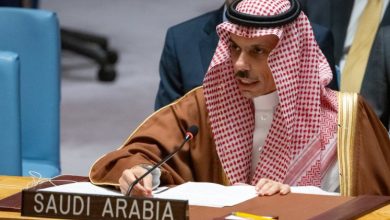
The big picture: Saudi Arabia is bracing for possible attacks by Iran-backed groups. A senior Saudi official, speaking on condition of anonymity, told Al Arabiya English that “multiple credible intelligence reports” point to coordination among Yemen’s Houthis, Iraqi militias, and Iran’s Islamic Revolutionary Guard Corps (IRGC).
Why it matters: The warning lands at a fragile moment. Riyadh is pursuing de-escalation with Tehran. Yet Gulf shipping lanes and energy sites now face pressure from two directions at once.
What the Intelligence Shows
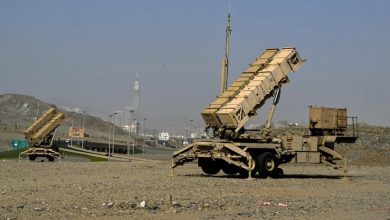
What is happening: Reports from Saudi Arabia, the US, and regional partners point to civilian and economic sites as likely targets, the official said. These include energy facilities, ports, and airports. Saudi authorities have also tracked drones and missiles moving into position. That suggests possible simultaneous operations from the north and south.
The timing makes the threat especially concerning, the official noted. The Kingdom continues pushing for peaceful solutions, and negotiations are reportedly “moving in a positive direction.” Still, Riyadh isn’t taking chances. The source confirmed Saudi Arabia “will not hesitate to take all necessary measures” if attacked.
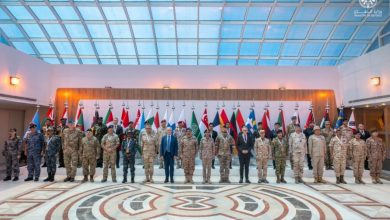
The warning follows a separate report from Iraqi sources. They said armed factions planned drone strikes against neighboring countries within 48 hours. Meanwhile, US-Saudi coordination remains “very strong” at every level, the official added, including between the two militaries.
Tensions Trace Back to Iraq Strikes and a Red Sea Blockade
This isn’t a sudden flashpoint. It’s the latest chapter in weeks of escalation. On 29 July, Saudi Arabia and US Central Command (CENTCOM) struck Iran-backed militia targets inside Iraq. The strikes answered drone attacks Riyadh blamed on those groups for hitting its oil facilities, including the Aramco refinery in Jizan.
A CENTCOM spokesperson said at the time that the IRGC and its proxies “must cease these attacks to avoid further US military response.” Iraq’s Popular Mobilization Forces (PMF) called the strikes a “highly dangerous escalation.” Since then, neighbors including Jordan, Syria, and Kuwait have pressed Baghdad to rein in the militias operating from its territory.
The Houthis, for their part, declared a naval blockade on Saudi Arabia in July, with the Iran-aligned group warning that any Saudi response would meet a “comprehensive and decisive” reply. The blockade threatens the Bab Al-Mandeb Strait, a corridor Saudi Arabia had increasingly relied on after disruptions elsewhere in the Gulf.
Riyadh has diverted roughly 70% of its energy exports through this Red Sea route. Saudi Arabia has condemned the blockade and pledged “all necessary measures” to protect its vessels.
A Region on Edge, but Talks Continue
Riyadh frames its posture as defensive, not escalatory, with officials stressing the Kingdom “does not seek escalation but will respond to any aggression it faces.”
For now, mediation efforts continue alongside military readiness. Whether that balance holds may determine if the region avoids a wider confrontation, or edges closer to one.
What’s next: Regional defense analysts expect heightened security protocols around vital energy hubs, key ports, and international airports. Civil aviation authorities also implement enhanced security screenings across key domestic and international hubs.
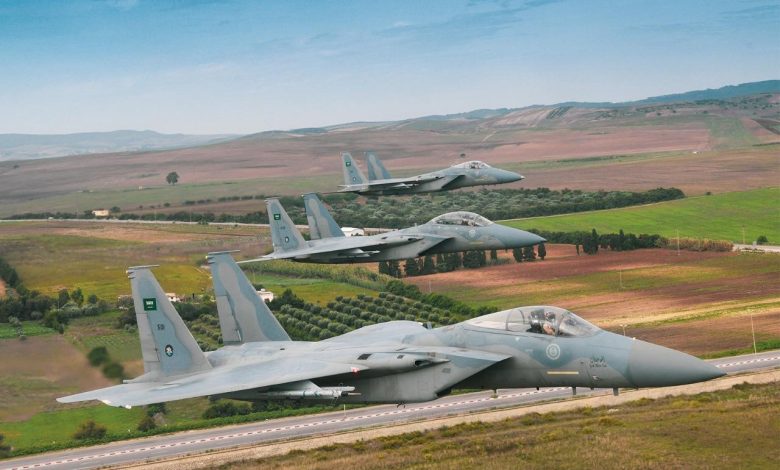
Meanwhile, Saudi diplomats engage regional partners to de-escalate tensions through active communication channels. Nevertheless, military command centers maintain maximum tactical readiness to intercept incoming aerial threats instantly.
Furthermore, international observers closely watch proxy movements in Iraq and Yemen for signs of impending conflict. Ultimately, Riyadh’s proactive defense measures signal firm resolve to protect core national interests, preserve public safety, and maintain global economic stability.