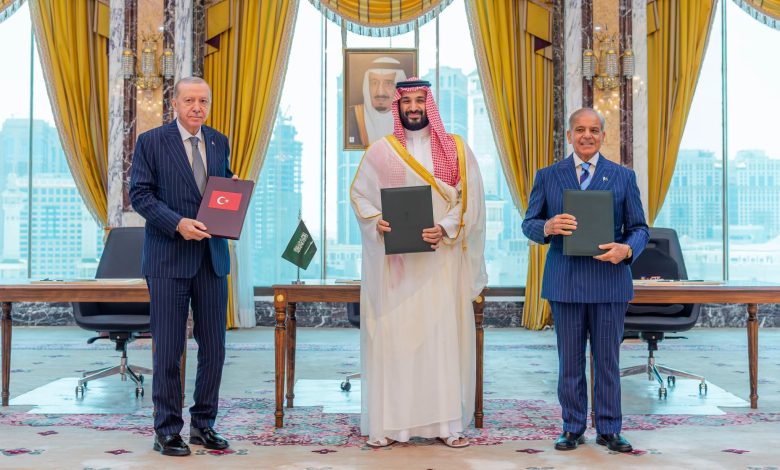
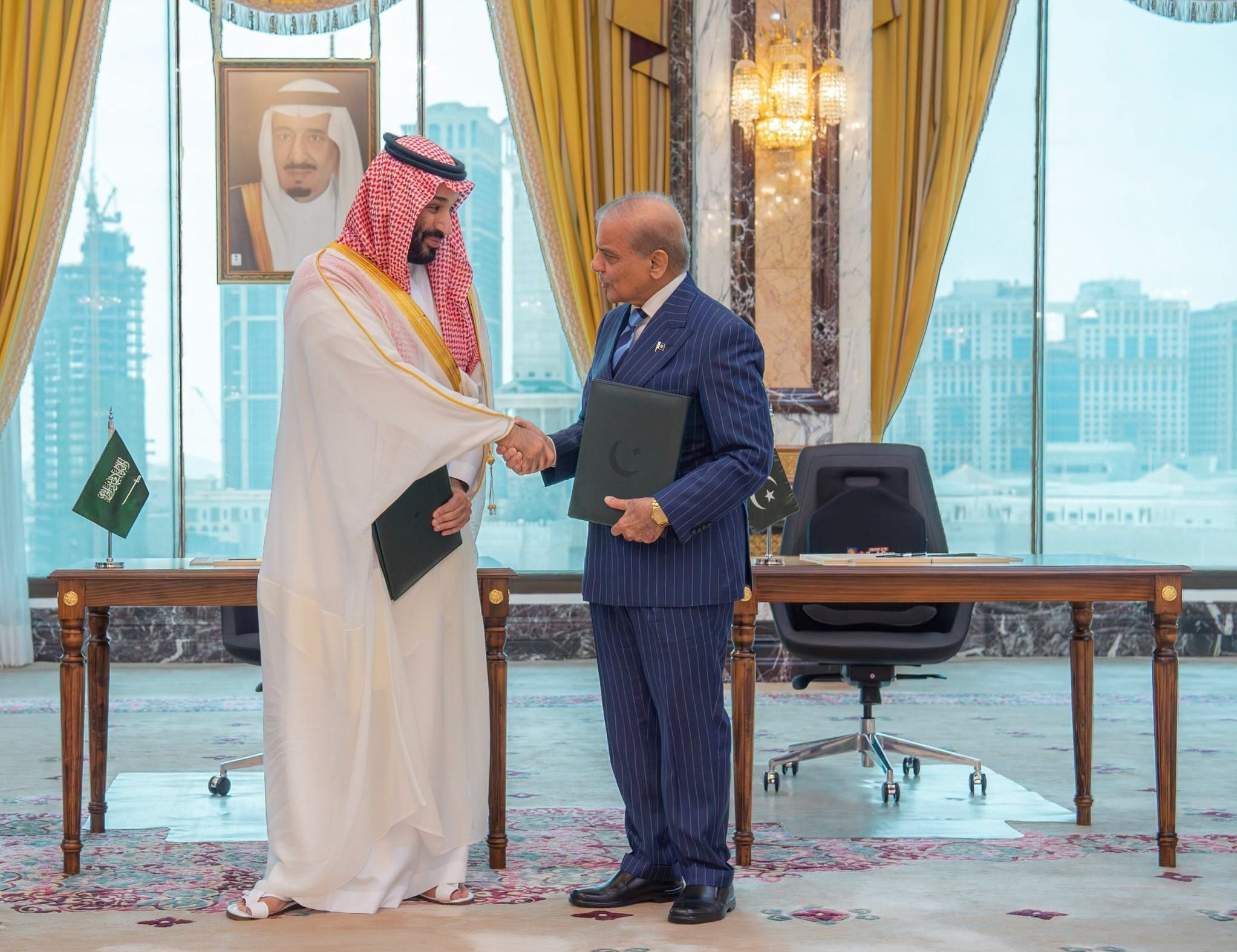
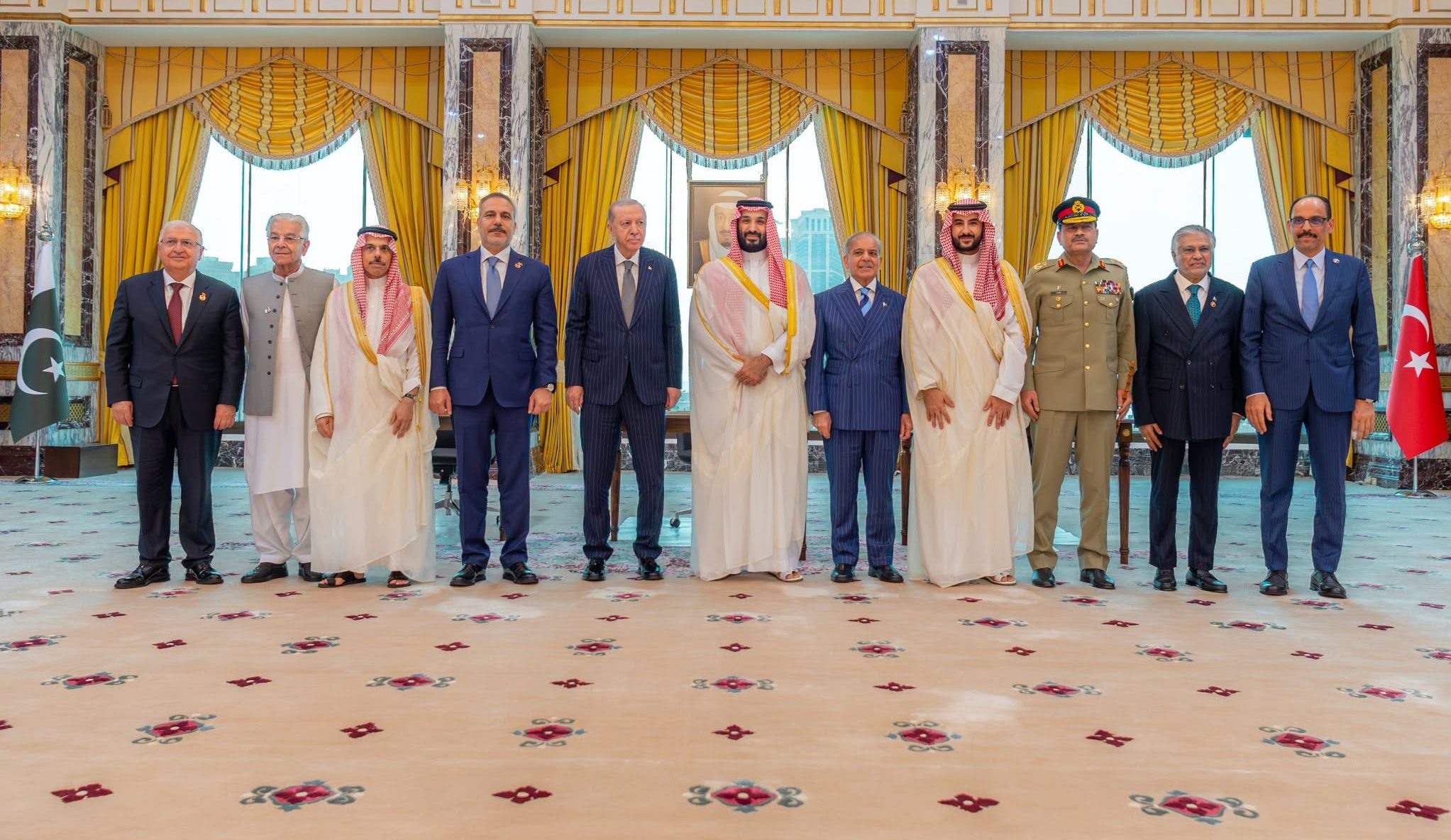
Marking a significant milestone in regional defense cooperation, Saudi Arabia, Turkiye, and Pakistan signed a landmark defense agreement in Makkah on Friday, strengthening their strategic partnership at a time of intensifying geopolitical uncertainty.
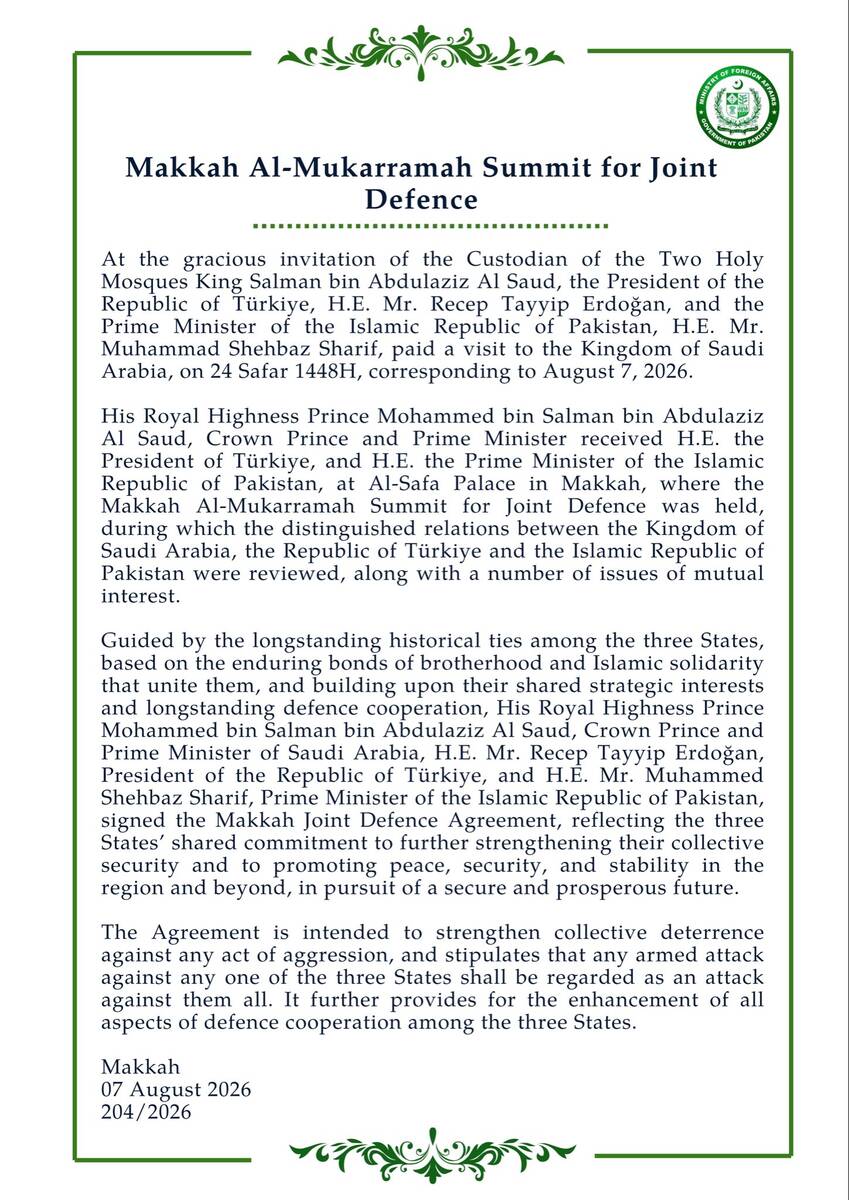
The Makkah Joint Defence Agreement signals a robust collective security pledge: an armed attack against any one of the three signatories will be treated as an attack against them all.
By embedding the principle of collective security into the pact, the three nations have unveiled their intention to move far beyond traditional military cooperation toward a more integrated and coordinated strategic partnership.
A Summit Forged in Regional Turbulence
Ahead of Turkish President Recep Tayyip Erdogan’s arrival in Makkah, Pakistani Prime Minister Shehbaz Sharif, accompanied by Army Chief Field Marshal Asim Munir, performed the Umrah pilgrimage before joining high-level talks with Crown Prince Mohammed bin Salman.
Their discussions took place as Saudi Arabia faces an array of security challenges, including repeated attacks linked to Iran and Tehran-backed armed groups, since the outbreak of the war on February 28.
The conflict has also sparked mounting concerns across the Gulf, unsettling regional stability and disrupting navigation through the Strait of Hormuz. As one of the world’s most vital energy chokepoints, the waterway normally handles nearly one-fifth of the world’s seaborne energy trade.
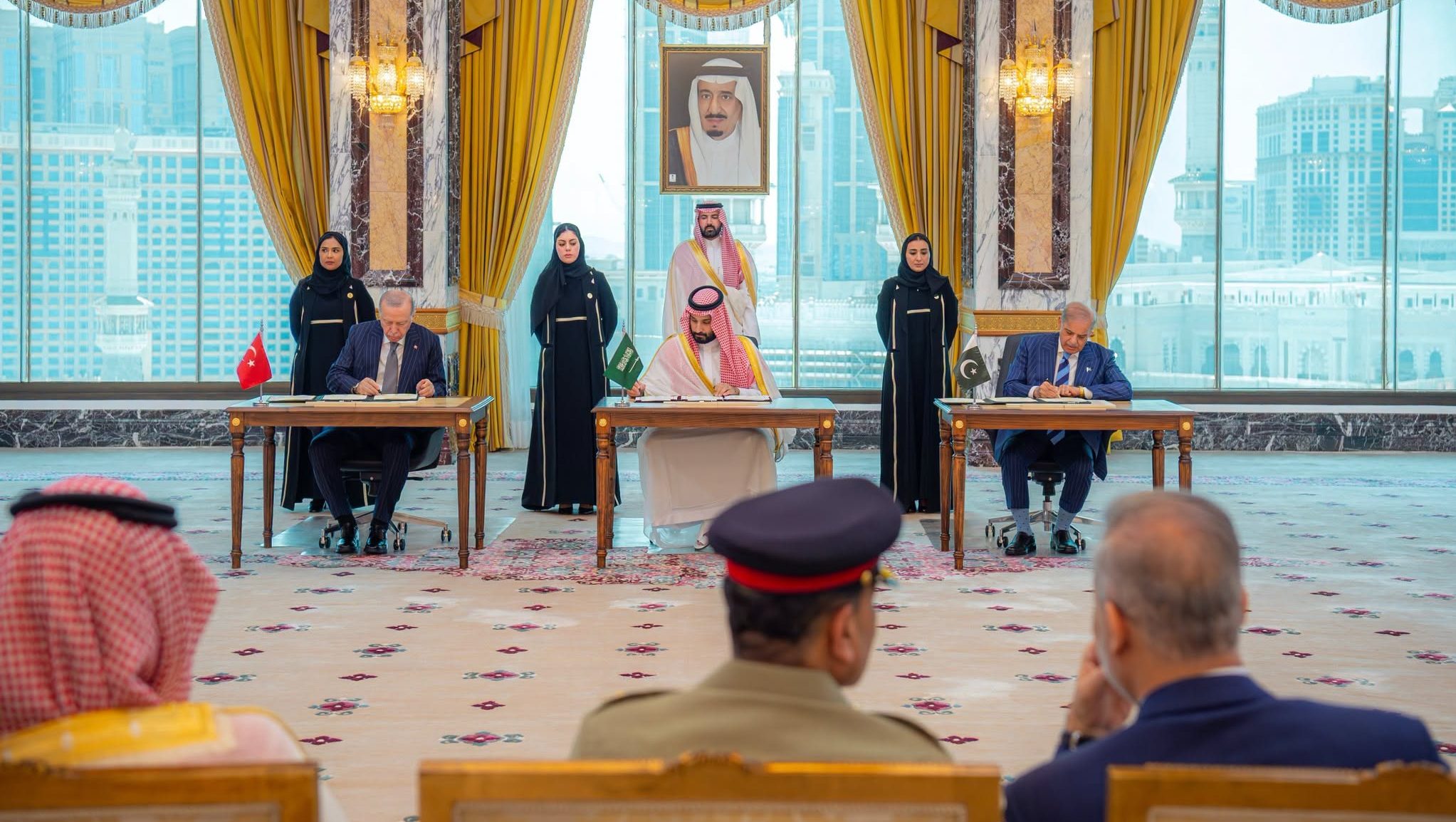
In this context, the summit was more than a high-level diplomatic gathering. It highlighted a remarkable shift toward regional security cooperation.
“The pact includes a collective defence clause. It is purely defensive in nature, pledging mutual support only for defence,” a Turkish official said.
The official also emphasized that the agreement is not directed against any specific country or actor, noting that the framework remains open to other regional states and is designed to complement, rather than replace, existing bilateral and multilateral defense arrangements.
How Did Decades of Cooperation Lead to This Summit?
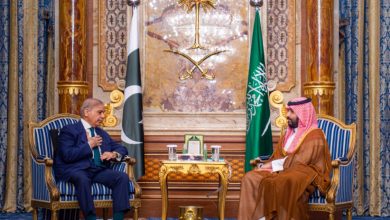
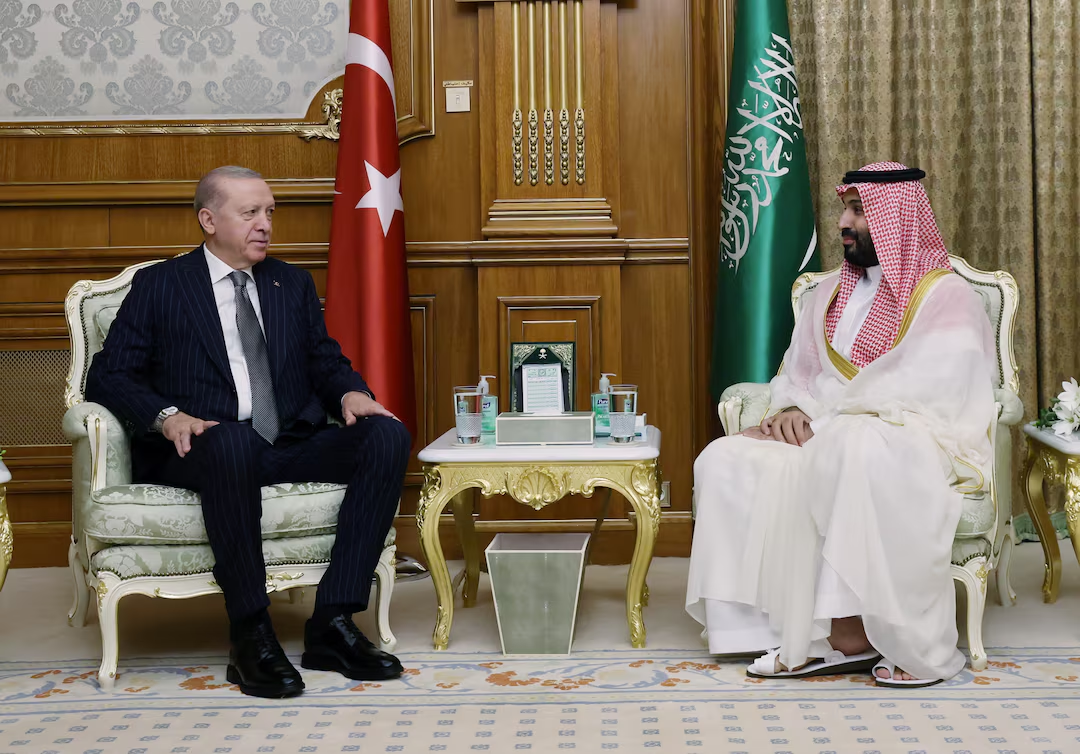
The landmark deal followed a high-level meeting at the Royal Court in Al-Safa Palace in Makkah, where Crown Prince Mohammed bin Salman welcomed Turkish President Recep Tayyip Erdogan and Pakistani Prime Minister Muhammad Shehbaz Sharif.
The three leaders discussed the evolving strategic relationship among their countries and explored new avenues for boosting cooperation across a vast array of shared priorities and aspirations, with defense and regional security emerging as central pillars of their talks.
The Saudi Press Agency described the Makkah Summit for Joint Defence as a natural extension of the strong relationship linking Saudi Arabia, Turkiye, and Pakistan.
Based on shared historical ties, Islamic solidarity, mutual strategic interests, and longstanding military cooperation, the summit aimed to further solidify these common foundations and unite them under a more comprehensive framework for collective defense and security collaboration.
Beyond the Agreement: A New Strategic Message
For regional analysts, the summit carries unparalleled significance that extends well beyond the agreement itself. Abdulaziz Sager, chairman of the Saudi-based Gulf Research Center, believes that the summit serves as a powerful geopolitical message that comes at a time of mounting global and regional uncertainty.
“The political symbolism of the summit is significant. Three of the Muslim world’s most influential states are convening at a moment of heightened uncertainty, demonstrating a growing willingness among regional and middle powers to coordinate more closely on security matters,” Sager said.
His assessment underscores the gathering’s broader implications, noting that the meeting mirrors not only deeper trilateral defense collaboration but also an emerging trend toward greater strategic coordination among regional powers.
According to Sager, the true essence of the agreement will lie in its implementation. By translating the framework into concrete defense and diplomatic cooperation, the three countries could reinforce their collective strategic weight and develop “a more regionally driven security architecture.”
Why Is the Region on Edge?
The expanding conflict has transformed localized hostilities into a broader strategic challenge, with Tehran targeting U.S. military bases and civilian infrastructure across Saudi Arabia, Kuwait, Bahrain, Qatar, the United Arab Emirates, Oman, Jordan, and Israel.
Despite the fact that Turkiye and Pakistan have rejected direct attacks, their proximity to the conflict has left both countries increasingly concerned about the escalating tensions and their broader consequences on regional stability, economic resilience, and their own national security, Reuters reported.
What Gives the Partnership Its Strategic Weight?
Ultimately, the trilateral partnership draws its strategic weight from the unique strengths each country brings to the table.
Turkiye commands NATO’s second‑largest military, supporting the alliance with extraordinary defense capacity.
Saudi Arabia distinguishes itself as the Arab world’s pioneering economic power and custodian of Islam’s two holiest mosques, while cementing its standing as one of the world’s foremost oil exporters.
Meanwhile, Pakistan carries the singular distinction of being the Muslim world’s only nuclear‑armed nation.
Remarkably, the decision to sign the agreement in Makkah elevated it beyond a conventional defense pact. As Islam’s holiest city, it underscored the shared religious and historical bonds bringing together Saudi Arabia, Turkiye, and Pakistan while highlighting the transformation of their longstanding military ties into a more advanced trilateral defense partnership.
Prime Minister Muhammad Shehbaz Sharif meets Crown Prince and Prime Minister of the Kingdom of Saudi Arabia Prince Mohammed Bin Salman bin Abdulaziz Al Saud in Al Safa Palace. Makkah, 7 August 2026. pic.twitter.com/opj0uNFY0L
— Prime Minister's Office (@PakPMO) August 7, 2026
Related Topics:
Saudi-US Nuclear Deal Unlocks a New Chapter in Economic Transformation
Nuclear Beyond Oil: Saudi Arabia Reinforces Global Leadership in Energy Sector
Iran Denies New Nuclear Commitments as US Claims Inspection Deal
Saudi-Pakistan Summit: The Riyadh-Islamabad Diplomatic Front to Push for De-Escalation
Industry Minister, Pakistani Officials Hold Talks on Industrial Cooperation, Fertilizer Investment