The US and Iran announced a preliminary deal to end the war and reopen the Strait of Hormuz, with an official signing ceremony set for June 19, 2026.
While the agreement ends nearly four months of conflict that has rattled the Middle East and strained the global economy, it postpones discussions on the main sticking points to a later stage – shifting the confrontation from the battlefield to the negotiating table and raising the question of who the real winner of this war truly is.
Regional Conflict
On February 28, 2026, the US and Israel launched a joint attack on Iran, eliminating its top leadership and destroying its visible military infrastructure.
The war quickly generated a regional spillover effect. Iran targeted Gulf States with barrages of missiles and drones, with the UAE taking the lion’s share.
Meanwhile, Lebanon has been dragged into the conflict following Hezbollah’s decision to launch missile and drone strikes against Israel. In response, Israel launched heavy airstrikes and ground operations into southern Lebanon, seizing control of large swaths of the country.
The Unseen Winners
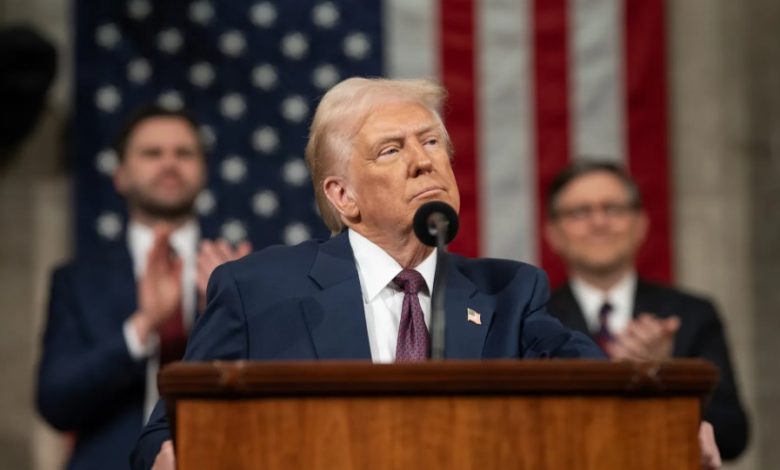
US President Donald Trump has portrayed the deal as a decisive victory for Washington, claiming that the US overwhelming conventional military might has forced Iran to the negotiating table.
Meanwhile, Iranian officials contend that Tehran has dealt a historic blow to the US and Israel, framing their survival through months of intense bombardment as a strategic triumph that forced Washington to negotiate on Iranian terms.
While both the US and Iran claim military victory, a deeper look beneath the tactical victories reveals that the strategic balance of power has quietly tipped in favor of unexpected actors, according to a recent analysis by The Telegraph.
Iranian Regime
The US-Israeli strikes on Iran have degraded its conventional navy, killed many of its senior leaders, including Supreme Leader Ayatollah Ali Khamenei, and choked its already ailing economy. However, the Iranian regime remains firmly in control and has grown more hardline than before, with no viable alternative.
Furthermore, much of Iran’s missile and drone stocks remain intact, and a significant portion of its highly enriched uranium – shielded in deeply buried bunkers – survived the heavy airstrikes, just as it did during the US bombing campaign in June 2025.
Perhaps Iran’s most potent winning card is the Strait of Hormuz. Iran managed to choke global shipping lanes and hold the entire global economy hostage by blocking transit through the waterway without its permission.
Leveraging the waterway as its ultimate bargaining chip, Tehran did not reopen the Strait under the pressure of US force, but instead traded it away at the negotiating table for sanctions relief.
China
Despite being one of the major Iranian oil consumers, China has not been severely impacted by the conflict. Beijing hedged against the short-term economic impact of the war, tapping into its large strategic reserves and flourishing renewables sector.
As 35% of its oil transits through the Strait of Hormuz, China has been receiving Iranian oil through a shadow fleet, according to US claims.
Meanwhile, Beijing has quietly capitalized on Washington’s entanglement in the Middle East. Analysts suggest that China is closely studying the conflict’s dynamics to see how these lessons might apply to the Indo-Pacific – specifically looking at how they could replicate Iran’s strategy of economic attrition in a future standoff over Taiwan.
Ukraine
Ukraine has emerged as one of the beneficiaries of the US-Israeli war with Iran. As Middle Eastern countries came under Iranian drone attacks, Kyiv swiftly stepped in to transfer its military expertise in confronting Shahid drones.
Ukrainian President Volodymyr Zelensky made a Gulf tour in April, forging new security pacts with Saudi Arabia, Qatar and the UAE and positioning Kyiv as a drone superpower.
The Unseen Losers
While the world awaits the signing ceremony in Geneva, the US closest allies and security establishments have a deep concern over the preliminary deal as several issues remain unresolved, including Iran’s nuclear and missile programs and its support for regional proxies.
Israel
When Israel launched this joint campaign with the US, its primary goal was to “put an end to the threat from the ayatollah regime in Iran.”
However, Trump’s rush to secure an exit ramp and Israeli Prime Minister Benjamin Netanyahu’s actions in Lebanon have strained their relations.
Israel was not involved in the US-Iran deal, which it considers insufficient to address their main security concerns. “The Iranian regime still exists. It still possesses much of its ballistic missile arsenal and its stockpile of enriched uranium. And it also controls the Strait of Hormuz,” the Times of Israel noted in a recent analysis.
Donald Trump
Trump’s stated war goals were “to wipe out Iran’s missile stocks and production, annihilate its navy, sever its support for terrorist proxies, and ensure it never acquired a nuclear weapon.” However, the preliminary deal to end the war has not delivered any of them.
Iran maintains a “mosquito fleet” of speedboats capable of disrupting shipping in Hormuz, keeps half of its missile stocks and manufacturing capabilities, retains its highly enriched uranium stockpile, and continues to support regional proxies.
On the domestic front, the war has driven up fuel prices by half, raising the cost of living. In late May, a Fox News poll showed that nearly 60% of Americans opposed the war – a figure that is likely to affect his approval rates before the November midterm elections.
Regionally, the cost of the conflict was stark, with Iran striking 20 US military sites across the Middle East. On the diplomatic front, Washington’s credibility has been further compromised. Regional allies have openly criticized Trump for plunging the Middle East into a profound crisis with little to no consultation, ultimately forcing his security partners to navigate the destabilizing aftermath.