The Diplomacy That Stopped a War
How Saudi Arabia Emerged as the Decisive Voice in Defusing the Middle East's Most Dangerous Crisis
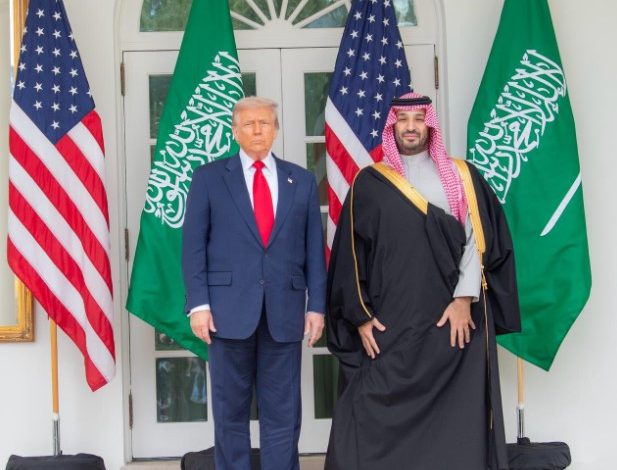
The Night the Middle East Stood on the Edge
By: Taha Sakr
For much of Saturday, the Middle East braced for what many feared would become one of the most consequential military confrontations of the twenty-first century.
Across regional capitals, government officials monitored rapidly evolving intelligence. Military commands heightened their readiness, energy markets reacted nervously to mounting uncertainty, and global investors began preparing for another shock that could reverberate far beyond the Middle East. Commercial shipping companies closely tracked movements through the Gulf, while airlines reviewed contingency plans amid growing concerns that regional airspace could once again become a theater of conflict.
The atmosphere was unlike anything the region had experienced in recent years.
Unlike previous episodes of tension between Washington and Tehran—many of which ended with carefully calibrated retaliatory strikes or diplomatic backchannels—this time appeared fundamentally different. Intelligence assessments and media reports suggested that the United States had moved beyond signaling resolve and was instead preparing for direct military action on a scale that observers described as unprecedented in the current phase of the conflict.
The implications were enormous.
A major American strike against Iran would have represented far more than another chapter in the decades-long rivalry between Washington and Tehran. It threatened to redraw the strategic map of the Middle East, potentially drawing multiple regional actors into an open confrontation stretching from the Gulf to the Levant. Such an escalation risked disrupting global energy supplies, jeopardizing one of the world’s busiest maritime corridors, and sending economic shockwaves through international markets already struggling with geopolitical uncertainty.
The prospect of war no longer belonged to the realm of speculation.
It appeared increasingly imminent.
Reports circulating in international media indicated that Washington and Israel had been coordinating preparations for a powerful military campaign targeting key Iranian infrastructure. American diplomatic missions across the Middle East simultaneously issued security alerts urging U.S. citizens to prepare for an “unforeseen escalation,” advising them to consider departure plans should the security environment deteriorate further. Those warnings reflected the seriousness with which Washington viewed the rapidly changing situation and reinforced growing expectations that military action could be only hours away.
In Tehran, officials responded with unmistakable warnings of their own.
Iranian leaders declared that any new attack by the United States or Israel would trigger a decisive and proportionate response. Senior officials cautioned that military escalation would not remain confined to Iranian territory but could spread across the region, placing energy infrastructure, maritime routes, and allied interests at risk. The rhetoric on both sides suggested that the threshold separating deterrence from outright conflict had become dangerously thin.

The stakes could hardly have been higher.
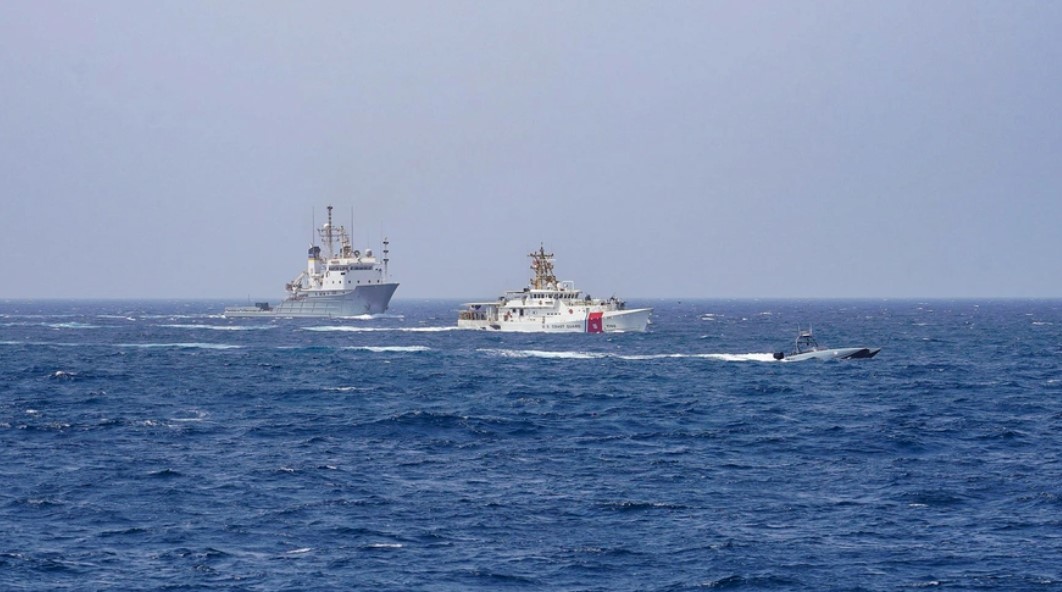
At the center of international concern stood the Strait of Hormuz—the narrow waterway connecting the Persian Gulf to global markets. Although only a few dozen kilometers wide at its narrowest point, the Strait carries a substantial share of the world’s seaborne crude oil and liquefied natural gas exports. Any disruption to navigation through this strategic corridor has historically triggered immediate reactions in commodity markets, insurance premiums, shipping costs, and government policy discussions from Washington and Brussels to Beijing and Tokyo.
For Gulf economies, the consequences of military confrontation extended beyond energy.
Critical infrastructure, investment flows, tourism, logistics networks, aviation, and maritime commerce all faced the prospect of severe disruption. Every additional hour of uncertainty heightened concerns that a localized military operation could rapidly evolve into a regional crisis whose political and economic costs would be measured not in days, but in years.
It was against this backdrop that regional diplomacy intensified behind closed doors.
While public attention remained fixed on military deployments and increasingly confrontational rhetoric, an equally important effort was unfolding through confidential conversations among world leaders determined to prevent the crisis from spiraling beyond control.
Then came the announcement that few had anticipated.
Early Sunday morning, U.S. President Donald Trump revealed that he had decided to suspend the planned military operation against Iran.
In a statement posted on Truth Social, Trump said that he had agreed to “hold off” on launching the attack because the framework for a broader agreement with Iran had begun to take shape. He stated that the proposed arrangement would include the immediate reopening of the Strait of Hormuz and address concerns surrounding Iran’s nuclear program, adding that Israel had joined the United States in pursuing this diplomatic course. The declaration represented a dramatic departure from expectations only hours earlier, when many believed the region was on the verge of entering a new phase of war.
Almost instantly, the narrative changed.
Questions that had dominated international headlines throughout the day—When would the strike begin? How severe would Iran’s retaliation be? Would oil prices surge beyond historic highs?—were replaced by a new and equally compelling question:
What had persuaded the President of the United States to halt an operation that appeared all but inevitable?
The answer, at least in part, appears to lie in an intense burst of diplomacy that unfolded during the crisis.
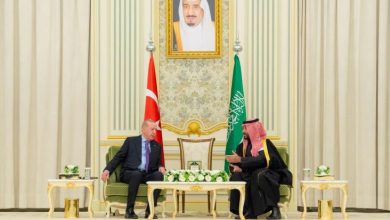
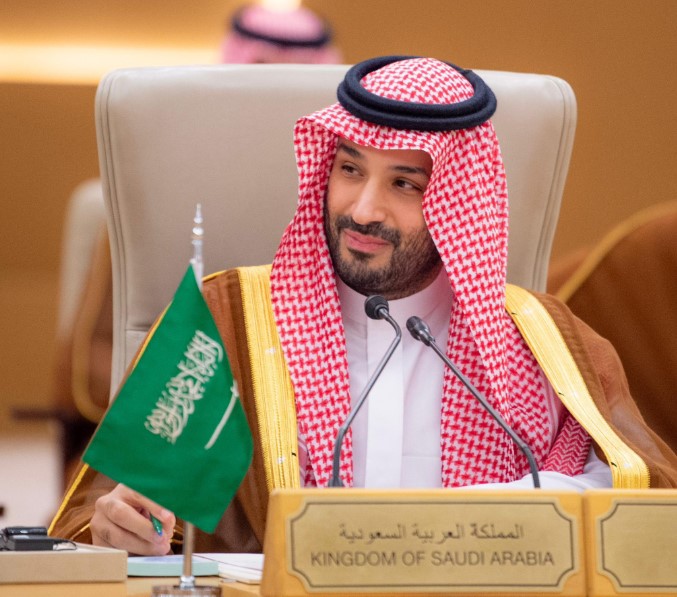
According to official Saudi statements and multiple international media reports, Saudi Crown Prince and Prime Minister Mohammed bin Salman held direct discussions with President Trump during the most critical stage of the confrontation. During the call, the Crown Prince emphasized the importance of prioritizing dialogue over military escalation, warning of the potentially far-reaching consequences of expanding the conflict and urging every possible effort to preserve regional stability through diplomatic means.
The conversation reflected more than a single diplomatic exchange.
It symbolized a broader transformation that has reshaped Saudi Arabia’s role in regional affairs over recent years.
Once viewed primarily as a geopolitical heavyweight defined by its energy resources and strategic alliances, the Kingdom has increasingly positioned itself as an active diplomatic power capable of engaging rival actors, coordinating with global partners, and influencing the course of some of the Middle East’s most consequential crises.
Whether the Crown Prince’s intervention proved decisive or formed part of a wider international effort to prevent war, the events of that extraordinary weekend underscored an unmistakable reality: Saudi Arabia is no longer simply responding to regional developments—it is helping shape them.
And as the dust settled on one of the most dangerous moments the Middle East has faced in years, the story that emerged was not only about a military strike that never happened.
It was about the growing influence of a Kingdom that increasingly sees diplomacy—not merely deterrence—as one of its most powerful strategic assets.
The Kingdom That Chose Diplomacy Over Escalation
If the decision to suspend military action prevented an immediate crisis, it also highlighted a deeper geopolitical transformation that has been unfolding across the Middle East—one in which Saudi Arabia has steadily redefined its role from a traditional regional power into one of the region’s most influential diplomatic actors.
Only a decade ago, few observers would have imagined Riyadh occupying such a position.
Saudi foreign policy was long viewed primarily through the prism of energy security, strategic defense partnerships, and regional rivalries. The Kingdom was undoubtedly one of the Middle East’s most consequential powers, yet its influence was often measured by its economic weight and military capabilities rather than its capacity to shape diplomatic outcomes.
Today, that perception has changed dramatically.
Under the leadership of Crown Prince and Prime Minister Mohammed bin Salman, Saudi Arabia has pursued a broader strategic vision that extends beyond conventional security calculations. While safeguarding national defense remains a cornerstone of the Kingdom’s policy, Riyadh has increasingly sought to position itself as a stabilizing force capable of reducing tensions, facilitating dialogue, and preventing regional crises from spiraling into wider conflicts.
The diplomatic activity surrounding the latest confrontation with Iran illustrates this evolving approach.
According to the Saudi Press Agency and international media reports, Crown Prince Mohammed bin Salman used his conversation with President Donald Trump to stress the importance of dialogue and de-escalation. Rather than focusing solely on the immediate military calculus, the Crown Prince emphasized the broader regional consequences of an expanded conflict, calling for every possible effort to preserve stability and create conditions for diplomatic solutions capable of producing lasting security.
His message reflected a strategic calculation that extends well beyond the crisis itself.
For Saudi Arabia, another large-scale war in the Gulf would carry profound consequences—not only for regional security but also for the Kingdom’s long-term economic transformation. Every escalation threatens shipping lanes, investor confidence, energy markets, infrastructure, tourism, and the broader climate of stability required to sustain ambitious development projects.
In many respects, Saudi Arabia’s foreign policy has become increasingly intertwined with its domestic transformation.
The Kingdom’s unprecedented economic diversification agenda requires a secure regional environment in which global investors, multinational corporations, financial institutions, and international partners can operate with confidence. Political stability has therefore become not merely a diplomatic objective but a strategic economic necessity.
This convergence of security and development has fundamentally reshaped Riyadh’s approach to regional crises.
Rather than viewing diplomacy as a secondary instrument deployed only after military options have been exhausted, Saudi Arabia increasingly treats diplomatic engagement as the first line of defense against instability. Dialogue, strategic communication, and international coordination have become integral components of the Kingdom’s national security doctrine.
That does not suggest an abandonment of deterrence.
On the contrary, Saudi Arabia has consistently maintained that while it seeks peaceful resolutions, it remains fully prepared to defend its sovereignty, protect its citizens, and safeguard critical national infrastructure against any threat. The Kingdom’s approach combines credible defensive capabilities with an active diplomatic strategy aimed at preventing conflicts before they reach the point where military action becomes unavoidable.
This dual-track strategy—strength backed by diplomacy—has become one of the defining characteristics of Saudi foreign policy.
It also reflects the realities of a region where traditional alliances are evolving rapidly.
The Middle East is no longer shaped by simple binaries or rigid geopolitical blocs. Regional governments increasingly engage with multiple global powers simultaneously, balancing relationships with Washington, Beijing, Moscow, Brussels, and emerging economies while pursuing national interests with greater strategic autonomy than in previous decades.
Saudi Arabia has embraced this changing environment.
The Kingdom has expanded its diplomatic engagement across the Gulf Cooperation Council, strengthened coordination with Arab partners, intensified dialogue with Asian and European powers, and cultivated relationships that allow it to communicate with diverse stakeholders even during periods of heightened tension.
This broader diplomatic network enhances Riyadh’s ability to act as both a strategic partner and a trusted interlocutor during regional crises.
The events surrounding the suspended U.S. strike on Iran demonstrated precisely why that role has become increasingly valuable.
As military rhetoric intensified, Saudi Arabia’s priority remained preventing the conflict from expanding into a regional war whose consequences would extend well beyond Iran and Israel. Such a scenario threatened not only Gulf security but also the stability of global energy markets, maritime trade routes, and international economic confidence.
Few countries have as much at stake.
Located at the heart of the Gulf, Saudi Arabia occupies one of the world’s most strategically significant positions. The Kingdom’s economic prosperity is closely linked to secure maritime commerce, uninterrupted energy exports, and the broader stability of neighboring states. Every major regional conflict carries the potential to disrupt these vital interests.
This explains why Saudi diplomacy increasingly focuses not merely on responding to crises but on preventing them altogether.
That preventive approach has become particularly evident in the Kingdom’s efforts to strengthen regional coordination on maritime security. As tensions have periodically threatened navigation through critical waterways such as the Strait of Hormuz, the Red Sea, and the Bab al-Mandab Strait, Riyadh has worked with international partners to reinforce maritime security and protect global shipping routes. According to the source material, Saudi Arabia has also intensified coordination with regional and international stakeholders to safeguard energy infrastructure and maritime commerce during periods of heightened instability.
These efforts underscore a broader strategic reality.
For Saudi Arabia, regional stability is not an abstract diplomatic aspiration; it is an essential prerequisite for economic resilience, international investment, and sustainable development. Every diplomatic initiative, every strategic dialogue, and every effort to contain conflict ultimately serves a larger objective: ensuring that the Middle East becomes a region defined less by recurring crises and more by long-term prosperity.
The suspension of the planned U.S. strike against Iran may ultimately be remembered as one of the clearest demonstrations of this evolving philosophy.
Whether Saudi diplomacy proved decisive or contributed alongside broader international efforts, the episode reinforced an unmistakable conclusion: Riyadh has become a central player in shaping the strategic direction of the Middle East.
Its influence is no longer measured solely by the size of its economy, the scale of its energy resources, or the strength of its defense partnerships.
Increasingly, it is measured by its ability to bring competing actors back from the brink of conflict—and to remind the region that, even in moments when war appears inevitable, diplomacy can still alter the course of history.
A New Balance of Power
The events surrounding the suspended U.S. strike against Iran were not merely another episode in the long-running confrontation between Washington and Tehran. They offered a revealing snapshot of a Middle East undergoing profound geopolitical transformation—one in which traditional alliances are evolving, regional powers are assuming greater responsibility for their own security, and diplomacy is becoming as consequential as military strength.
For decades, crises in the Middle East largely unfolded according to a familiar pattern. Washington set the strategic agenda, regional governments reacted, and diplomacy often followed military action rather than preventing it. Today, that equation is gradually changing.
Saudi Arabia has become one of the principal architects of this transition.
The Kingdom’s growing diplomatic activism reflects a broader shift in strategic thinking: regional stability can no longer depend solely on external security guarantees. Instead, it requires proactive engagement by regional powers capable of managing crises before they escalate into open conflict.
The latest confrontation with Iran demonstrated precisely why this philosophy matters.
Had military operations proceeded as anticipated, the consequences would almost certainly have extended well beyond the immediate battlefield. Analysts warned that Iranian retaliation could have targeted strategic energy infrastructure, disrupted maritime traffic through the Strait of Hormuz, and expanded the conflict across multiple theatres involving state and non-state actors. Even countries with no direct involvement in the confrontation would likely have faced severe economic repercussions as global oil markets reacted to heightened uncertainty.
For Saudi Arabia, such a scenario would have threatened not only regional security but also the broader transformation underway within the Kingdom itself.
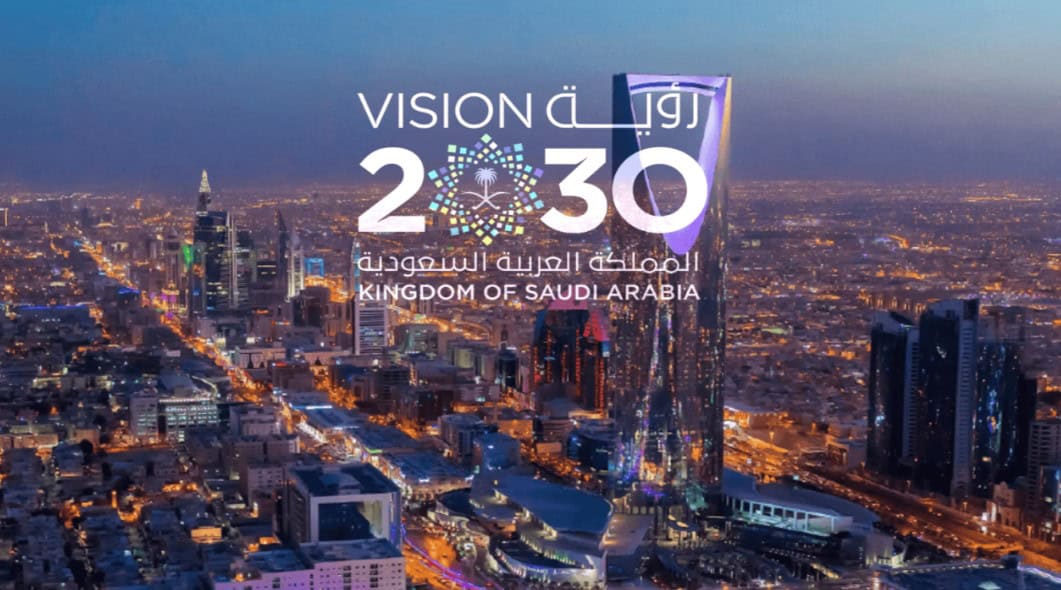
Vision 2030 is built upon a simple but critical assumption: sustained economic diversification requires long-term stability.
Massive investments in tourism, advanced manufacturing, logistics, renewable energy, artificial intelligence, financial services, and global entertainment all depend upon an environment that reassures investors that the Kingdom—and the wider Gulf—remains a secure destination for capital and innovation.
Every regional crisis therefore carries implications extending far beyond foreign policy.
Military escalation threatens investor confidence.
Diplomatic success strengthens it.
This increasingly explains why Saudi Arabia has adopted a more active role in preventing conflicts before they spiral beyond control.
Rather than choosing between diplomacy and deterrence, Riyadh has sought to integrate both into a comprehensive national security strategy. The Kingdom has consistently maintained strong defensive capabilities while simultaneously expanding political dialogue with regional and international partners, recognizing that military preparedness and diplomatic engagement are complementary rather than contradictory.
This dual-track approach has become one of the defining characteristics of Saudi foreign policy under Crown Prince Mohammed bin Salman.
It also reflects changing realities in international politics.
The Middle East is no longer defined by rigid geopolitical blocs. Countries increasingly pursue pragmatic partnerships driven by economic interests, technological cooperation, and shared security concerns rather than ideological alignment alone. Saudi Arabia has adapted to this environment by cultivating relationships across a diverse spectrum of global actors while maintaining its longstanding strategic partnership with the United States. According to the source material, Riyadh and Washington continue to coordinate closely on regional security, with both sides reaffirming the importance of preserving stability and protecting Gulf security during periods of heightened tension.
The suspension of the planned strike therefore carried significance extending far beyond the immediate crisis.
It illustrated how diplomacy, when backed by strategic credibility and trusted international relationships, can alter the trajectory of events even at the most dangerous moments.
Whether Saudi Arabia’s intervention proved decisive or represented one element within a broader international effort, the episode underscored a larger reality: Riyadh has become an indispensable participant in virtually every major discussion concerning the future security architecture of the Middle East.
That evolution represents one of the most important geopolitical developments of the past decade.
Saudi Arabia is no longer simply responding to regional events.
Increasingly, it is helping shape them.
The Future of Middle East Diplomacy
History often remembers wars by the battles that were fought.
Yet some of the most consequential moments in international relations are defined by the conflicts that never occurred.
If the planned U.S. strike against Iran ultimately becomes one of those moments, it will be remembered not only because military confrontation was averted, but because it demonstrated how diplomacy continues to shape outcomes even in an era increasingly characterized by geopolitical competition and strategic uncertainty.
The episode served as a reminder that the Middle East is entering a new phase of its modern history.
For decades, the region was widely perceived through the lens of recurring conflict, ideological rivalries, and external intervention. Political crises were frequently accompanied by military escalation, while diplomatic breakthroughs often emerged only after devastating consequences had already unfolded.
Today, a different dynamic is gradually taking shape.
Economic transformation has become as important as military capability. Strategic investment increasingly carries as much influence as traditional alliances. Regional governments are placing greater emphasis on stability, connectivity, technological development, and long-term prosperity—objectives that cannot be achieved in an environment dominated by perpetual conflict.
Saudi Arabia has become one of the leading proponents of this evolving regional vision.
The Kingdom’s transformation under Vision 2030 extends well beyond economic diversification. It represents an ambitious effort to redefine Saudi Arabia’s place within the international system by strengthening its role as a global investment destination, a logistics hub connecting three continents, a leader in energy transition, and an increasingly influential diplomatic actor capable of engaging constructively with partners across the geopolitical spectrum.
Such ambitions inevitably require one essential ingredient:
Stability.
No economy can sustain trillion-dollar investments under the constant threat of regional war. International investors seek predictability. Global corporations value secure supply chains. Tourism depends upon confidence. Innovation flourishes where political risks are manageable rather than escalating.
In this context, diplomacy has become an economic imperative as much as a political one.
Every successful effort to prevent regional escalation protects not only lives and infrastructure but also the broader development agenda shaping the future of the Gulf.
The reported diplomatic engagement surrounding the suspended U.S. strike illustrated precisely this philosophy.
Rather than allowing events to unfold uncontrollably, Saudi Arabia actively engaged with one of its closest strategic partners at a critical moment, advocating dialogue and restraint while emphasizing the broader consequences of military escalation for regional security and international stability. According to official Saudi accounts, Crown Prince Mohammed bin Salman stressed the importance of exhausting diplomatic avenues capable of preserving peace and preventing a wider conflict.
Whether viewed through a political, economic, or security lens, the message was consistent: preventing war remains preferable to managing its consequences.
That principle is increasingly reflected across Saudi Arabia’s broader foreign policy.
The Kingdom has expanded dialogue with regional neighbors, strengthened coordination with Gulf partners, reinforced its strategic relationship with the United States, and pursued a balanced approach that combines credible deterrence with sustained diplomatic engagement. This strategy recognizes that regional influence is measured not only by military capability but also by the ability to convene partners, build consensus, and reduce tensions before they escalate into open confrontation.
The implications extend well beyond the Gulf.
The Middle East occupies one of the world’s most strategically significant regions, linking global energy markets, maritime trade routes, financial flows, and international supply chains. Stability in the region therefore remains a matter of global importance rather than a purely regional concern.
For the international community, the events surrounding the suspended strike offered a valuable lesson.
Military power continues to shape strategic calculations, but diplomacy remains indispensable for achieving durable security.
Neither can succeed in isolation.
The most effective foreign policies increasingly combine strength with restraint, deterrence with dialogue, and strategic preparedness with political engagement.
Saudi Arabia appears determined to pursue precisely that balance.
As global politics enters an era defined by intensifying competition among major powers, regional actors are assuming greater responsibility for managing crises within their own neighborhoods. The Kingdom’s growing diplomatic activism reflects this broader evolution and signals Riyadh’s intention to remain at the forefront of efforts aimed at preserving stability across one of the world’s most consequential geopolitical theaters.
Whether future crises involve regional security, maritime commerce, energy markets, or broader geopolitical rivalries, Saudi Arabia is likely to play an increasingly central role in shaping diplomatic outcomes.
The events of that extraordinary weekend therefore represented more than a temporary pause in military escalation.
They revealed the emergence of a Middle East in which influence is no longer measured solely by military strength or economic resources, but also by the capacity to prevent conflict before it begins.
That may ultimately prove to be the Kingdom’s most significant strategic achievement.
For Saudi Arabia, diplomacy is no longer simply a tool of foreign policy.
It has become an instrument of national strategy, regional leadership, and global relevance.
And in a region where the cost of war is measured not only in lives but also in lost opportunities, disrupted economies, and shattered stability, that may be the most consequential transformation of all.