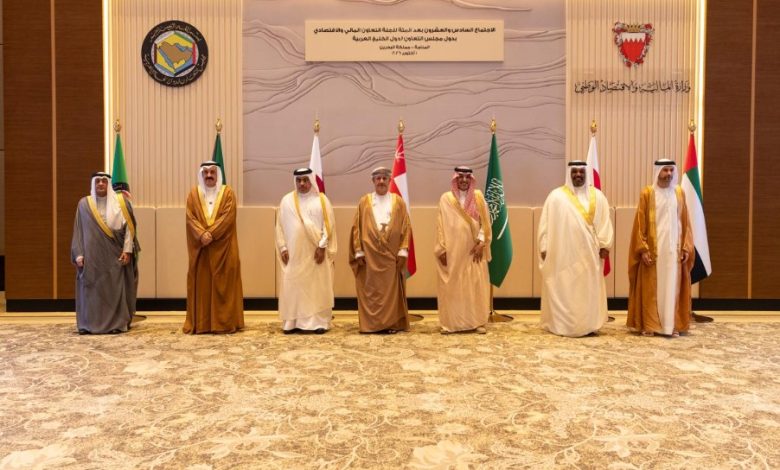
The Finance Ministers of the Gulf Cooperation Council (GCC) countries gathered in Manama to discuss increased collaboration amid the recent regional developments and their economic implications.
In the 126th Meeting of the Financial and Economic Cooperation Committee of the GCC, economic integration took center stage, signaling a resolve to create a bulwark against regional and global geopolitical shocks while accelerating economic diversification – a core objective of Saudi Vision 2030.
Unifying Gulf Response
Driving the News: Saudi Arabia’s Finance Minister Mohammed Al-Jadaan led the Kingdom’s delegation at the GCC meeting, which took place in Bahrain on October 1, 2026. The meeting was chaired by Bahraini Finance Minister Sheikh Salman Al Khalifa.
The Big Picture: Discussions centered on topics related to bolstering financial and economic cooperation, as well as the recent regional developments, their repercussions for the GCC countries, and ways to address them.
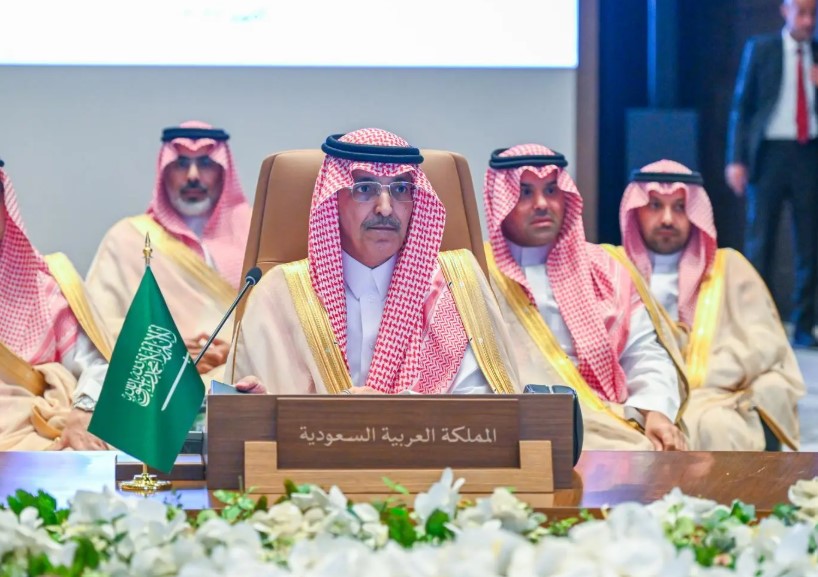
Why It Matters: The recent regional tensions have sent shockwaves across global markets, causing market fluctuations, supply chain disruptions, and growing uncertainty over the outlook for the global economy. These challenges require coordinated efforts to enhance readiness and mitigate their impact on Gulf economies.
GCC Economic Integration
State of Play: During the meeting, GCC finance ministers reviewed progress made toward the GCC Customs Union, which eliminates intra-regional trade barriers and applies uniform external trade rules across member states.
The meeting also reviewed progress in the adoption of the Periodic Report on Monitoring the Progress of the Gulf Common Market. The GCC Common Market aims to ensure full equality among GCC citizens in all economic activities across member states.
In His Words: “The nature of the current stage requires accelerating work across a number of priority tracks, foremost among them completing the requirements of the Customs Union and the GCC Common Market, elevating the flow of trade and investment among the GCC states, and strengthening the financial and investment environment.” – Jasem Albudaiwi, GCC Secretary-General.
Weathering the Storm
Between the Lines: The GCC economies have shown remarkable resilience in recent months, achieving notable economic and financial progress despite ongoing geopolitical tensions. This indicates the strength and effectiveness of the GCC economic and financial policies, as well as the sustained progress achieved in GCC economic diversification and integration.
By the Numbers:
- $2.4 trillion: Total GDP of the GCC states, placing them collectively among the top 10 largest economies globally.
- 79%: Contribution of non-oil activities to the GCC states’ GDP, highlighting ongoing economic diversification.
- $829 billion: Net foreign assets held by GCC central banks as of June 2026.
- 11 months: Import coverage provided by the GCC central banks’ net foreign assets.
- 2.1%: Average GCC inflation rate in May 2026, remaining well below rates recorded by major global economic blocs.
IMF Outlooks
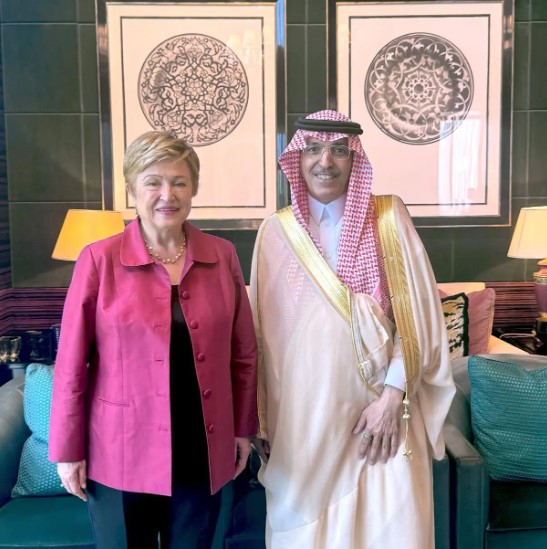
Go Deeper: Saudi Finance Minister Al-Jadaan also took part in a joint meeting with the Managing Director of the International Monetary Fund (IMF), Kristalina Georgieva, alongside other Gulf counterparts and central bank governors, to discuss an IMF paper titled “Economic Prospects and Policy Challenges: Enhancing Economic Resilience to Geopolitical Shocks.”
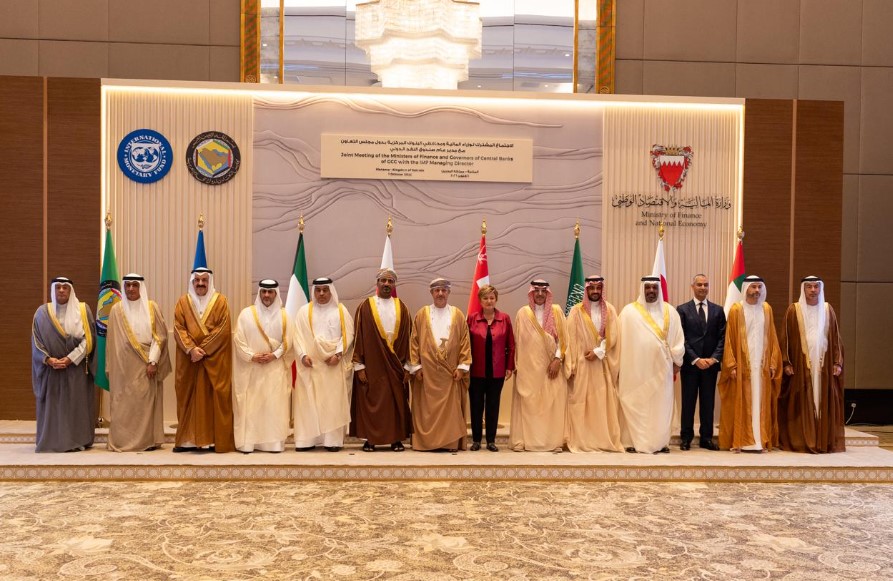
What to Watch: Georgieva emphasized that building broader economic resilience and security requires three targeted policy actions:
- Calibrated Fiscal Cushions: Deploying temporary, targeted fiscal support during shocks to avoid fueling inflation, while rebuilding fiscal space for critical investments in diversification as conditions normalize.
- Infrastructure and Supply Chain Readiness: Completing key projects, such as the GCC Railway and the Saudi Landbridge, as vital investments that reduce economic losses during regional transit disruptions while lifting baseline GCC economic output.
- Transformation and Private Sector Growth: Sustaining reform momentum across the region. The IMF commended how expanding non-hydrocarbon sectors in Saudi Arabia, Bahrain, and the UAE has softened the impact of recent shocks, urging countries to expand private sector participation, improve the business climate, and harness digitalization and AI.
Streamlined Trade Flows
Zoom In: During the GCC-IMF meeting, Jasem Albudaiwi highlighted the need to accelerate economic integration among the Gulf countries. This entails facilitating the cross-border flow of goods, services, capital, and citizens, bolstering regional supply chains, and establishing resilient commercial and logistics corridors.
He also stressed the importance of advancing structural reforms to empower the private sector, enhance competitiveness, foster technological innovation and digital transformation, and accelerate the transition toward diversified, knowledge-based economies.
Saudi Vision 2030
The Impact: In line with the economic diversification objectives of Vision 2030, unified customs and tax policies facilitate streamlined access to Gulf markets and consumers. They also reduce barriers for Saudi companies seeking to expand regionally. Importantly, they make Saudi Arabia a more attractive destination for Foreign Direct Investment (FDI).
The Takeaway: The meeting in Manama signals the GCC’s concrete progress toward financial integration. This resilient Gulf ecosystem acts as a buffer and an economic multiplier for Saudi Arabia’s non-oil diversification objectives.