Saudi Consumer Spending Reaches SAR 142B in August 2026 as E-Commerce Surges 26%
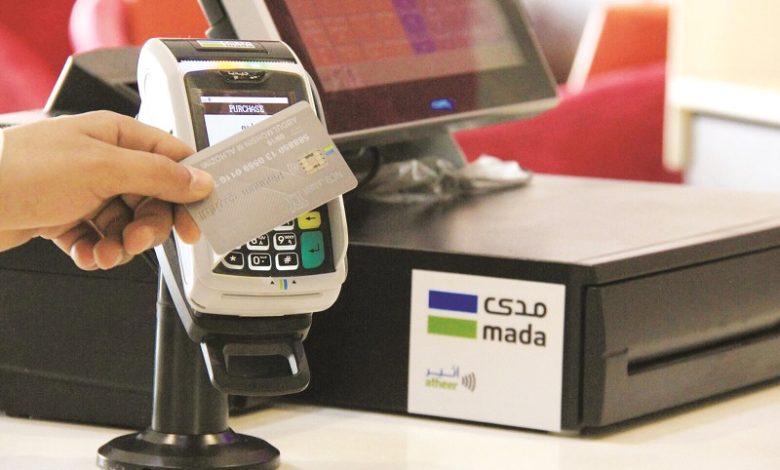
The big picture: Saudi consumer expenditure expanded significantly in August 2026, driven by a dramatic surge in online shopping and contactless digital payments. Consolidated statistical data from the Saudi Central Bank (SAMA) highlights a rapid structural shift toward a cashless economy across the Kingdom.
Why it matters: Saudi Arabia’s shift from cash and shop floors to screens is now measurable month by month. E-commerce grew roughly five times faster than point-of-sale (POS) sales. Cash withdrawals fell. Together, these trends show how Vision 2030’s digital agenda is changing daily life.
Driving the news: Saudi consumers spent SAR 142.02 billion ($37.87 billion) across all retail channels during August 2026. This expenditure represents a 6.35% increase compared to the SAR 133.53 billion ($35.61 billion) recorded in August 2025. SAMA measures total consumer spending by combining point-of-sale (POS) terminal transactions, cash withdrawals, and electronic commerce payments.
E-Commerce Accelerates Saudi Arabia’s Retail Transformation
The rapid rise of electronic trade represents the central catalyst powering Saudi retail growth today. Local shoppers increasingly select digital commercial platforms over traditional brick-and-mortar storefronts.
During August 2026, electronic commerce spending through Mada debit cards jumped by 26.03% year-on-year. Online shoppers spent SAR 36.95 billion ($9.85 billion) in a single month, compared to SAR 29.32 billion ($7.82 billion) during August 2025.
Furthermore, electronic transaction volumes expanded rapidly across the Kingdom. Consumers completed 196.93 million digital purchases in August 2026. This metric reflects a 27.3% surge from the 154.68 million transactions recorded in August 2025.
Importantly, SAMA’s electronic commerce metrics specifically trace Mada card transactions on shopping websites, digital applications, and electronic wallets. The central bank dataset excludes credit card operations through Visa and Mastercard. As a result, actual online commerce volume in Saudi Arabia achieves even higher figures when accounting for international card networks.
This August performance continues an extraordinary trajectory for the Kingdom’s digital market. In full-year 2025, electronic commerce sales surged 64.7% year-on-year to reach SAR 325.20 billion ($86.72 billion). In contrast, online commerce generated SAR 197.42 billion ($52.64 billion) in 2024.
Indeed, several structural developments fuel this national digital evolution:
- Regulatory Support: SAMA continuously approves innovative fintech licenses and digital payment frameworks.
- Logistics Expansion: Domestic and international enterprise platforms expand local fulfillment hubs across major Saudi cities.
- Consumer Demographics: A young, tech-savvy population demands rapid checkout capabilities and mobile payment integrations.
Cash Fades as Digital Payments Rise
Point-of-sale (POS) terminal operations remained the largest individual component of overall consumer spending during August 2026. Consumers generated SAR 65.69 billion ($17.52 billion) in POS purchases, marking a 4.98% rise from SAR 62.57 billion ($16.69 billion) in August 2025.
Saudi shoppers executed over 1.1 billion individual POS operations throughout the month. Meanwhile, commercial banks and fintech providers expanded the national terminal network to 2.47 million active devices.
Mobile phone transactions led physical retail purchasing behavior:
- Mobile POS Operations: Consumers completed 632.49 million transactions through smart devices, spending SAR 35.70 billion ($9.52 billion).
- Physical Card Operations: Cardholders completed 438.90 million transactions using plastic debit and credit cards, spending SAR 26.67 billion ($7.11 billion).
Additionally, specific commercial sectors captured distinct spending volumes across point-of-sale networks:
- Food and Beverages: Grocery stores and food suppliers led overall POS expenditure with SAR 10.28 billion ($2.74 billion).
- Restaurants and Cafes: Hospitality venues secured second place, generating SAR 7.90 billion ($2.11 billion).
- Apparel and Accessories: Clothing and accessory retailers registered SAR 5.73 billion ($1.53 billion) in sales.
- Transportation Services: Travelers and commuters spent SAR 4.86 billion ($1.30 billion) on transport services.
- Gas Stations: Fuel stations collected SAR 4.55 billion ($1.21 billion) via digital payment devices.
- Healthcare Services: Medical clinics, pharmacies, and personal care providers processed SAR 3.86 billion ($1.03 billion).
- Educational Institutions: Academic institutions recorded SAR 3.25 billion ($867.85 million) amid back-to-school preparations.
- Jewelry Stores: Luxury retailers recorded SAR 1.40 billion ($375.30 million) in gold and jewelry sales.
Financial Breakdown
By the numbers: The statistical summary below details Saudi consumer expenditure and payment metrics for August 2026:
- Total Consumer Spending: SAR 142.02 billion ($37.87 billion) — reflects a 6.35% YoY growth from SAR 133.53 billion ($35.61 billion).
- Point-of-Sale (POS) Value: SAR 65.69 billion ($17.52 billion) — reflects a 4.98% YoY increase from SAR 62.57 billion ($16.69 billion).
- POS Operation Volume: Exceeded 1.1 billion transactions across 2.47 million installed POS terminals.
- Mobile POS Sales: SAR 35.70 billion ($9.52 billion) through 632.49 million smartphone operations.
- Physical Card POS Sales: SAR 26.67 billion ($7.11 billion) through 438.90 million card taps.
- Food and Beverage Sales: SAR 10.28 billion ($2.74 billion).
- Restaurants and Cafes Sales: SAR 7.90 billion ($2.11 billion).
- Apparel and Accessories Sales: SAR 5.73 billion ($1.53 billion).
- Transportation Sector Sales: SAR 4.86 billion ($1.30 billion).
- Gas Station Sales: SAR 4.55 billion ($1.21 billion).
- Healthcare and Personal Care Sales: SAR 3.86 billion ($1.03 billion).
- Education Sector Sales: SAR 3.25 billion ($867.85 million).
- Jewelry Sector Sales: SAR 1.40 billion ($375.30 million).
- Mada E-Commerce Sales Value: SAR 36.95 billion ($9.85 billion) — reflects a 26.03% YoY surge from SAR 29.32 billion ($7.82 billion).
- Mada E-Commerce Volume: 196.93 million operations — reflects a 27.3% YoY jump from 154.68 million operations.
- Full-Year 2025 E-Commerce Benchmark: SAR 325.20 billion ($86.72 billion) — reflects a 64.7% YoY jump from SAR 197.42 billion ($52.64 billion) in 2024.
- Total ATM Cash Withdrawals: SAR 39.38 billion ($10.50 billion) — reflects a 5.44% YoY decline from SAR 41.65 billion ($11.10 billion).
- Mada ATM Withdrawals: SAR 24.93 billion ($6.65 billion) — reflects a 5.2% YoY drop from SAR 26.30 billion ($7.01 billion).
- Commercial Bank ATM Withdrawals: SAR 14.46 billion ($3.86 billion) — reflects a 5.8% YoY drop from SAR 15.35 billion ($4.09 billion).
- Total Cash Withdrawal Transactions: 125.49 million operations.
- Issued Payment Cards: 71.21 million active cards across the Kingdom.
- Active ATM Network: 14,370 active cash machines nationwide.
What’s next: Analysts expect the trend to hold. Online grocery and quick-delivery services are expanding into smaller cities. Retailers are also investing in faster logistics and local payment options. Meanwhile, regulators keep pushing cashless payments under the Financial Sector Development Program. If the August pace continues, e-commerce will claim a larger share of Saudi household budgets each quarter. Cash withdrawals will likely keep shrinking.
For businesses, the message is clear. Merchants without an online channel risk losing customers to rivals that offer one. For consumers, the shift brings convenience, wider choice and faster delivery. For policymakers, it signals that digital infrastructure investments are paying off.