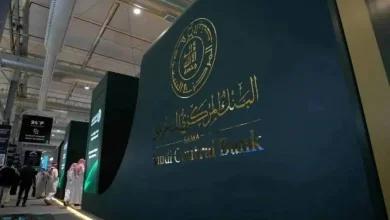
The big picture: Saudi Arabia’s cumulative foreign direct investment (FDI) stock reached SAR 1.142 trillion ($304.5 billion) at the end of Q2 2026. Official data from the Saudi Central Bank (SAMA) shows an 11.4% year-on-year expansion. Consequently, the Kingdom added SAR 117.17 billion ($31.25 billion) in foreign direct capital compared to Q2 2025.
Why it matters: This sustained foreign capital growth reflects international investor confidence in Saudi Arabia’s Vision 2030 initiatives. The Kingdom actively diversifies its national economy beyond traditional energy export sectors. Moreover, the Ministry of Investment constantly streamlines commercial regulations to attract foreign enterprise. Therefore, long-term institutional capital commitments solidify Saudi Arabia’s status as the top financial destination in the Middle East.
Vision 2030 Drives Global Investor Confidence
Saudi Arabia continues to transform its economic environment through structural reforms and targeted public investments. Historically, oil revenues driven by global energy markets powered economic expansion across Gulf nations. However, Saudi economic planners now focus on technology, logistics, industrial manufacturing, tourism, and financial services.
In addition, the Ministry of Investment (MISA) actively promotes the Regional Headquarters (RHQ) program. This initiative encourages multinational companies to establish their regional decision-making centers in Riyadh. These reforms yield clear commercial benefits. Furthermore, Saudi Arabia’s updated Investment Law provides regulatory transparency and equal protection for domestic and foreign entities alike. Consequently, international corporations view the Kingdom as a resilient long-term market.
The General Authority for Statistics (GASTAT) defines foreign direct investment as a long-term economic relationship across national borders. Under this framework, a foreign entity holds 10% or more of voting power in a domestic enterprise. This ownership stake gives foreign investors direct managerial involvement and long-term interest in local operations. SAMA data confirms that global corporations continue to expand their operational presence in Saudi Arabia despite shifting macroeconomic conditions.
By the numbers:
- SAR 1.142 trillion ($304.5 billion): SAMA registered this cumulative FDI stock by the end of Q2 2026, marking an 11.4% year-on-year increase.
- SAR 117.17 billion ($31.25 billion): Foreign entities added this net value to Saudi Arabia’s direct investment stock over the twelve-month period.
- SAR 19.1 billion ($5.09 billion): Net FDI inflows during Q2 2026 dropped 19.5% year-on-year from SAR 23.7 billion ($6.32 billion) in Q2 2025.
- 7%: Cumulative FDI stock grew by this quarter-on-quarter margin compared to SAR 1.123 trillion ($299.41 billion) at the end of Q1 2026.
- 25%: Direct investments represented this share of overall foreign investment capital inside the Saudi economy as of June 2026.
- SAR 3.54 trillion ($944.17 billion): Total foreign investment stock in Saudi Arabia expanded 15.84% year-on-year from SAR 3.057 trillion ($815.1 billion) in Q2 2025.
- SAR 484.03 billion ($129.08 billion): Overall foreign holdings across all asset classes expanded by this total amount over the past year.
- SAR 3.531 trillion ($941.55 billion): Total foreign investment stock stood at this figure at the end of Q1 2026 before rising further in Q2.
- SAR 1.472 trillion ($392.47 billion): Portfolio investments accounted for this foreign asset volume, comprising debt instruments and equity securities.
- SAR 1.037 trillion ($276.61 billion): Debt securities formed the largest segment within portfolio foreign investment holdings.
- SAR 434.47 billion ($115.86 billion): Equities and investment fund shares comprised the remainder of foreign portfolio assets.
- SAR 926.98 billion ($247.2 billion): Other foreign investments included cross-border loans, currency deposits, and operational accounts.
- SAR 1.015 trillion ($270.71 billion): Saudi outward direct investment stock grew 12.62% year-on-year, up from SAR 901.37 billion ($240.37 billion) in Q2 2025.
Expanding Capital Markets and Outward Investments
While quarterly net FDI inflows declined 19.5% to SAR 19.1 billion ($5.09 billion), cumulative FDI stock maintained its upward momentum. Financial analysts attribute quarterly net inflow variations to global interest rate cycles and construction milestone schedules for gigaprojects. However, steady cumulative stock growth demonstrates that long-term strategic investments remain intact.
Total foreign investments across all categories surpassed SAR 3.54 trillion ($944.17 billion) by the end of Q2 2026. This broader category includes equity stock, corporate bonds, government debt, bank deposits, and commercial credit. Specifically, foreign portfolio investment grew rapidly. International asset managers actively bought Saudi sovereign bonds and equity shares on the Saudi Exchange (Tadawul). Consequently, robust market liquidity attracts institutional investors seeking emerging market yield.
Meanwhile, Saudi Arabia accelerates its direct investment footprint in overseas markets. Outward direct investment stock reached SAR 1.015 trillion ($270.71 billion) in Q2 2026, registering a 12.62% annual increase. The Public Investment Fund (PIF) leads this outward expansion strategy. The sovereign wealth fund targets vital global sectors including electric vehicles, semiconductors, artificial intelligence, renewable technology, and international infrastructure.
Furthermore, major Saudi corporate entities establish operating units and industrial assets across international markets. As a result, outward capital deployment secures national supply chains while delivering long-term financial returns to Saudi Arabia. This reciprocal flow of investment capital highlights Saudi Arabia’s rising prominence as a global economic leader.
Looking forward, economic planners anticipate higher FDI inflows through the remainder of the decade. Signature gigaprojects like NEOM, Qiddiya, Diriyah Gate, and the Red Sea project require continuing private capital participation and technological transfers. Moreover, regulatory modernization under the National Investment Strategy will further reduce administrative barriers. Consequently, Saudi Arabia maintains strong progress toward fulfilling its Vision 2030 targets.
What’s next for Saudi FDI
Zoom out: The Kingdom aims to draw about $100 billion in annual FDI by 2030. The National Investment Strategy sets the goal at SAR388 billion ($103.5 billion) a year. Investment Minister Khalid Al-Falih said the strategy’s second phase will launch in 2026. It will widen the investor base and give the private sector, especially small and medium-sized firms, a bigger role.
What’s next: Analysts will watch the third-quarter GASTAT release for signs of a rebound in new inflows. The rising stock gives them a solid base to measure against. Meanwhile, the strategy’s second phase should shape how the Kingdom courts the next wave of investors.