Dr. Arlene Taylor: The ‘Brain Guru’ Decoding How Prayer Shapes the Mind
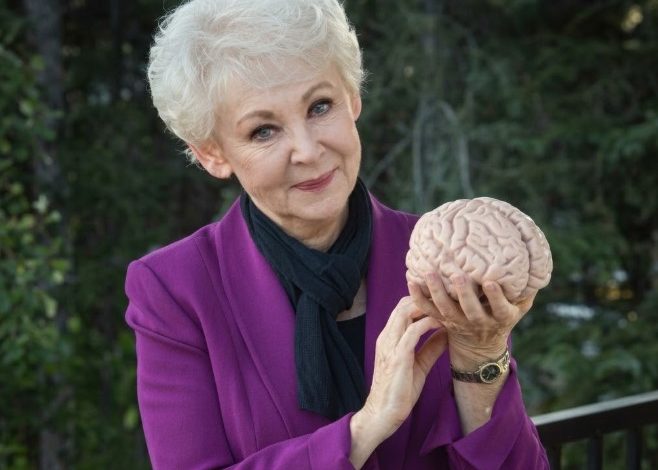
Dr. Arlene R. Taylor, widely known as the “brain guru,” is an established brain function specialist, author and speaker who has spent decades simplifying neuroscience for the public.
By focusing on teaching people how to understand and utilize their brain “by design” rather than by chance, she decodes how intentional habits like prayer and contemplation physically alter, protect, and reshape the human mind.
A Journey Through Neuroscience
Dr. Arlene R. Taylor is the founder and president of Realizations Inc. – a non-profit organization specializing in translating brain-function research into educational resources.
Holding two doctorates in Clinical Pastoral Counseling and Health and Human Services, she draws on vast clinical, academic, and practical experience in brain function, which spans over four decades.
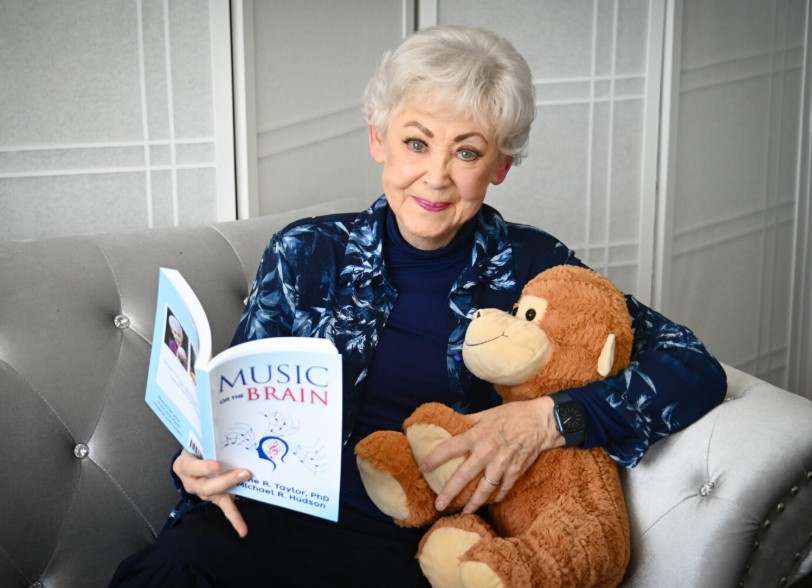
Throughout her career, Dr. Taylor has focused on providing practical, brain-related resources to help individuals live healthier, more successful lives, translating complex neuroscience into simple, actionable strategies for the general public.
She is the author of around 40 books and extensive multimedia content designed to present practical brain function information in entertaining, educational, and empowering ways.
Living by Design
The core philosophy of Dr. Taylor is that “everything starts in the brain.” In light of this, she helps people figure out how to “use their brains by design” to unleash their potential, enjoy a healthier life and stay younger for longer.
According to Dr. Taylor, living by design means moving away from a life of default reactions and toward a life of intentional cognitive strategy. A foundational piece of this approach is recognizing the “Brain Bent” – the innate, genetically hardwired strengths and processing styles unique to each individual.
She posits that when people align at least half of their daily activities with their natural Brain Bent, they expend energy much more efficiently, drastically minimizing chronic stress and cognitive fatigue.
To achieve this, she emphasizes practical daily choices, like managing one’s self-talk and building healthy habits. Dr. Taylor refers to this as “positive self-medication” – using constructive behaviors instead of destructive ones to balance their brain chemistry and keep their mind sharp as they age.
Prayer: A Positive Self-Medication
Dr. Taylor views prayer and meditation as deliberate mental workouts, not merely abstract religious duties. For her, they act as a form of positive self-medication that physically reshapes, optimizes, and protects the brain.
In her “Brain Bytes” series, Dr. Taylor points to findings about prayer, noting that personal meditative prayer yields the highest individual benefits.
Labeling it as an “anti-aging strategy,” she notes that prayer may protect against age-related brain shrinkage – the kind of physical decline linked to a loss of mental functioning and dementias. It also boosts mental health, reduces stress and anxiety, and elevates overall well-being.
Furthermore, Dr. Taylor highlights that while praying for others can profoundly help them, particularly in health-related issues, the individual offering the prayer actually benefits the most.
She points to Positron Emission Tomography (PET) scans performed on individuals before and during prayer. The scans reveal that prayer changes the brain, conditioning it to remain calm even in highly stressful environments.
“Although science tells us that prayer works, it can’t tell us how it works because science is limited in studying prayer,” Dr. Taylor says.
Powerful Impact
Dr. Taylor sheds light on neurotheology – the emerging multidisciplinary field that examines how the human brain interacts with religious or spiritual experiences – to unravel the intersection of faith and biology.
In this context, she cites Dr. Andrew Newberg, a pioneer of neurotheology, who utilized more than 150 brain scans to study the exact changes occurring during different types of prayer.
His findings showed that specific areas of the brain are distinctly affected by prayer. During prayer, portions of the frontal lobe and the right hemisphere become highly active, despite using less metabolic energy than usual.
According to Dr. Taylor, studies showed that individuals who practice prayer for at least 12 minutes each day in a quiet, comfortable setting show significant improvements in both brain and body health.
These benefits include a reduction in headaches, lower anxiety, a decreased risk of heart attacks, lower blood pressure, enhanced wound healing, and a significant boost in memory functions.
Citing landmark research compiled by physician Dr. Larry Dossey on the “non-local” nature of prayer, Dr. Taylor emphasizes that the reach of this practice goes far beyond physical boundaries.
“Prayer has been found to be instantaneous at any distance. Apparently, nothing can block it, not even a lead-lined room,” Dr. Taylor concludes.