Hajj, one of Islam’s five pillars, is a once in a lifetime pilgrimage for Muslims who are physically and financially able. After completing their sacred rites, pilgrims return home spiritually enriched and often bring back souvenirs to share the blessings of their journey with loved ones.

Motivations Behind Buying Gifts
The act of buying gifts by pilgrims is not just a social custom—it is an expression of love, affection, and gratitude. It is also a symbolic way to share the spiritual experience of Hajj. Gifts from the Holy Lands of Mecca and Medina carry significant religious and emotional value and are often seen as blessings from the most sacred places on earth.
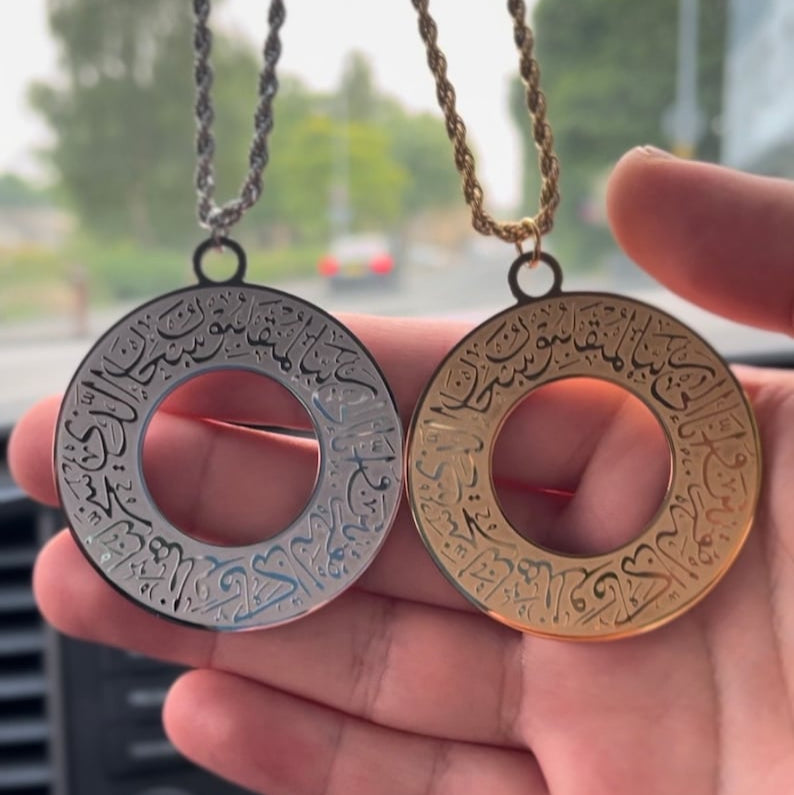
Most Popular Gifts Purchased by Pilgrims
Zamzam Water
Zamzam water is among the most sacred and sought-after gifts. It is believed to have healing and spiritual properties, and various Hadiths highlight its virtues. Additionally, it is usually bottled in small plastic containers for easy distribution among family and neighbors. Prayer Beads (Misbaha/Subha)
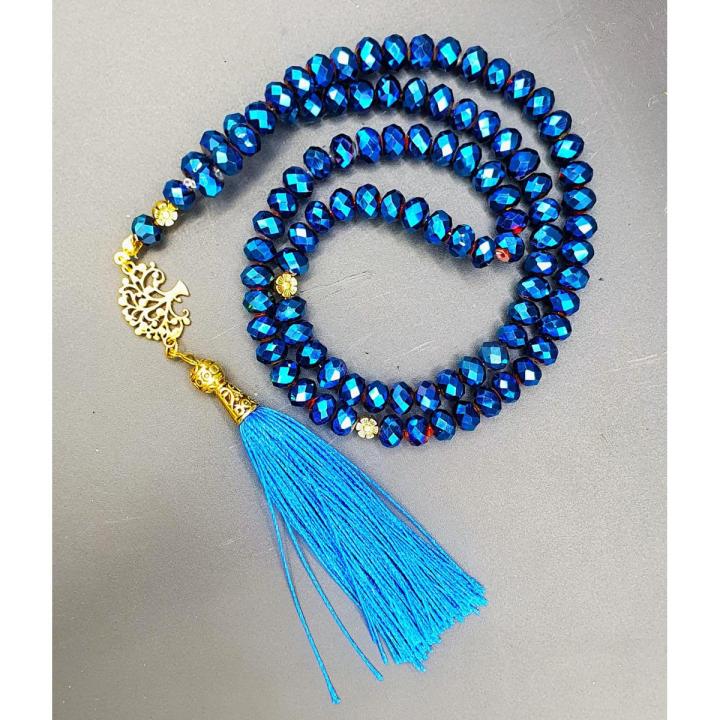
Prayer beads are among the most symbolic Hajj-related gifts. They come in many forms, ranging from simple plastic or wooden beads to luxurious ones made from agate, amber, or precious stones. These beads remind people to engage in remembrance (dhikr) and spiritual devotion.
Copies of the Quran and Religious Books
Many pilgrims bring back copies of the Quran printed at the King Fahd Complex in Madinah, known for their high quality and often distributed for free or at low cost. Small religious books such as booklets of supplications and remembrance are also popular and meaningful gifts.

Perfumes and Musk
Mecca and Medina are known for their oriental perfumes and authentic musk, often sold in elegant small bottles. These fragrances are cherished gifts, as their scents are associated with spirituality and sacredness.

Prayer Rugs
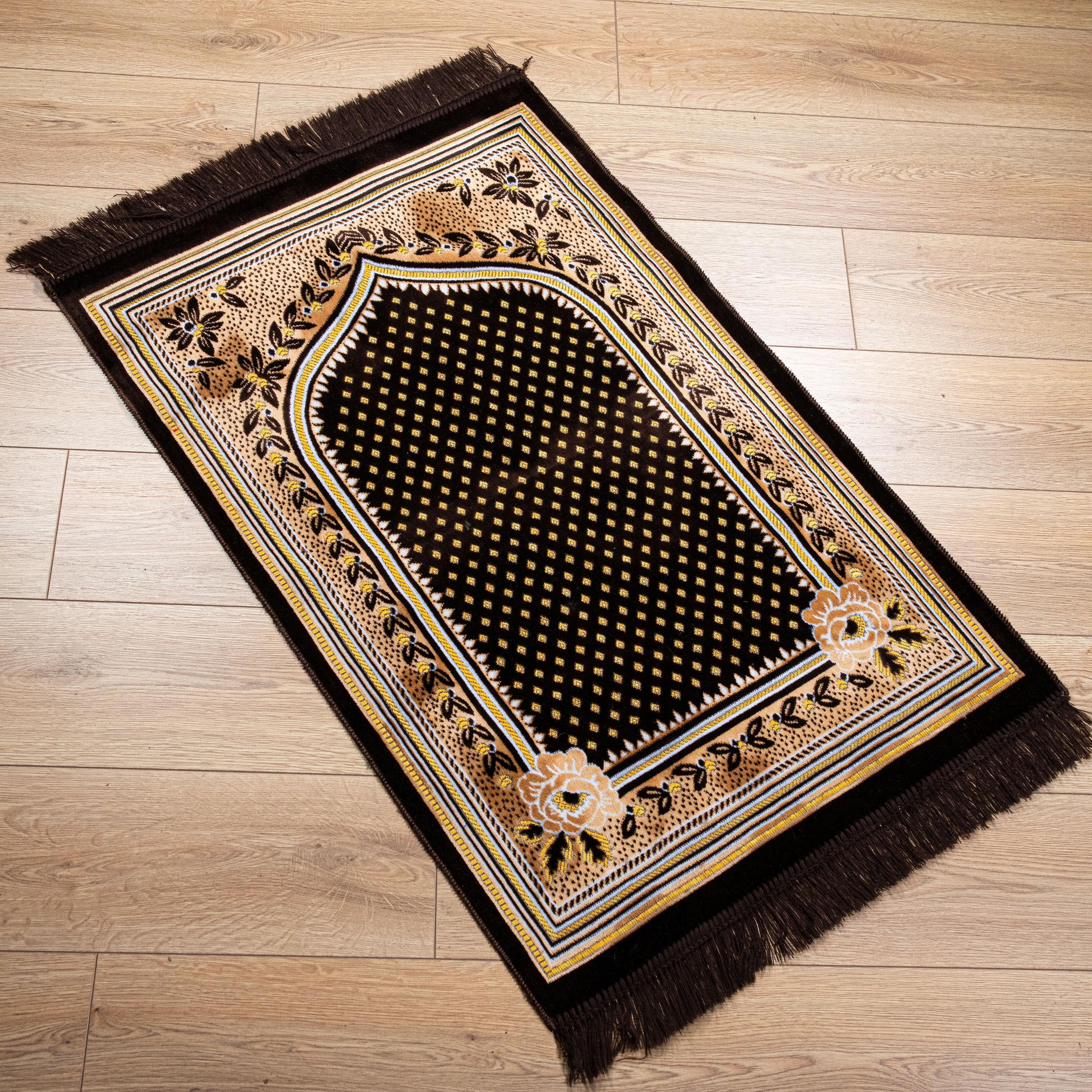
Prayer rugs featuring unique Islamic designs are common gifts. Some include images of the Kaaba or the Prophet’s Mosque, giving them special significance. Moreover, they are especially appreciated by elders or those devoted to worship.
Dates
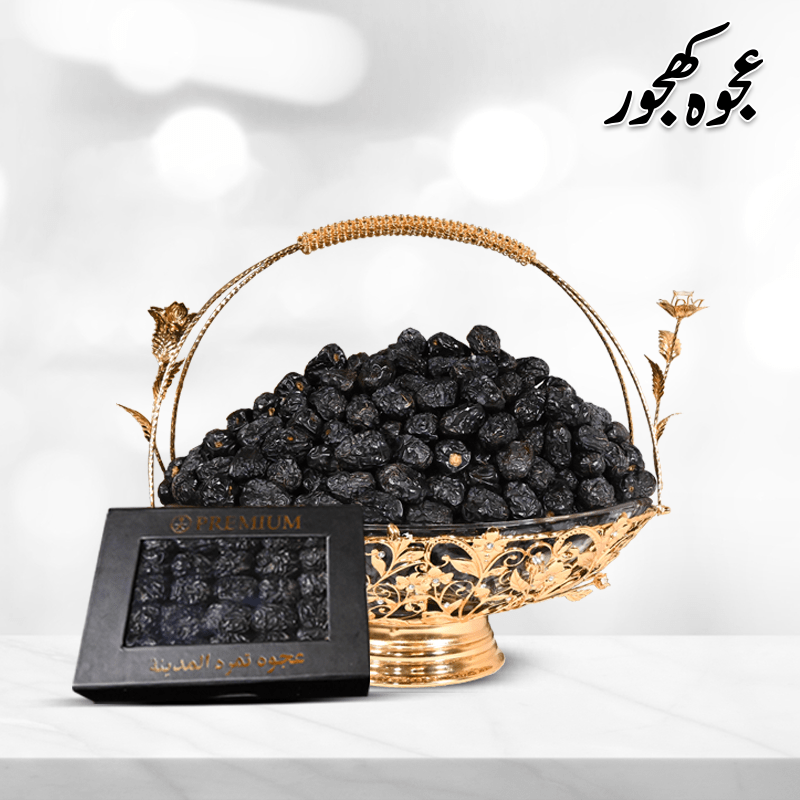
Dates, particularly Ajwa dates from Madinah, are a staple gift for pilgrims. They are believed to have spiritual and health benefits and are linked to the traditions of the Prophet Muhammad. Dates are often available in luxurious packaging, suitable for long-term storage.
Ihram Clothing and Abayas
Some pilgrims purchase ihram garments as symbolic gifts, as well as abayas and headscarves with religious motifs. T-shirts and caps embroidered with phrases like “Hajj Mabroor” or “Mecca” are also common souvenirs.

Social Impact of Pilgrims’ Gifts
The gifts pilgrims bring back help strengthen social and familial ties. They express gratitude and appreciation to loved ones and bring joy to those who were not able to perform Hajj themselves. In a way, these gifts offer recipients a symbolic share in the spiritual blessings of the pilgrimage.
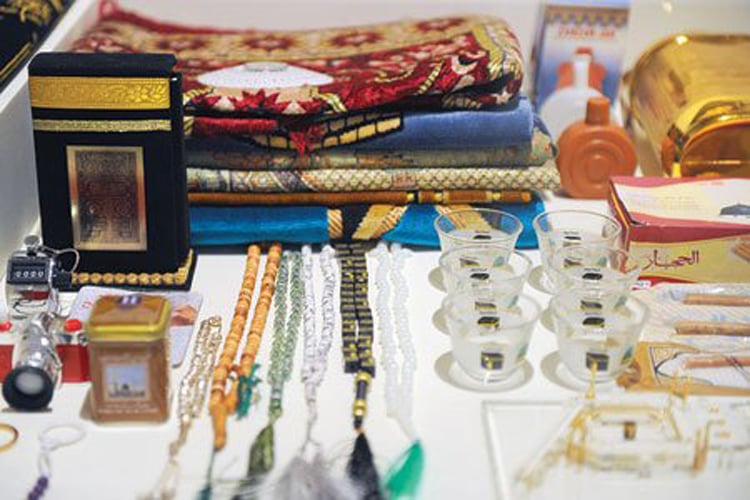
The gifts that pilgrims buy during Hajj are more than just material items they are spiritual symbols commemorating a profound faith journey. They represent emotional and meaningful participation in the Hajj experience and remain cherished memories from the Guests of the Merciful. Finally, even the simplest gift carries a silent prayer, a blessing from the holiest of places, and a lasting reminder of a sacred journey.
Related Topics:
Saudi Arabia Launches Global Quranic Enrichment Project During Hajj 2025
Hajj 2025: SDAIA Boosts Makkah Route Initiative with Technical Services
Ivorian Hajj Pilgrims Applaud Makkah Route Initiative
Makkah Route Initiative: Saudi Arabia Streamlines Luggage Handling for Pilgrims – Video