Arab Unified Position: Saudi Arabia’s Security Is Cornerstone of Regional Stability

Several Arab nations rallied behind Saudi Arabia, voicing strong support for the Kingdom’s moves to safeguard its national security and maintain the stability and integrity of Yemen.
In statements issued by their Foreign Ministries, Bahrain, Qatar, Kuwait, Jordan, Egypt and Somalia reaffirmed their support for the legitimate government in Yemen, reiterating the need to preserve Yemen’s unity and territorial integrity and safeguard the interests of its people.
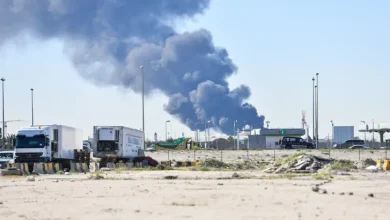
On Tuesday, December 30, 2025, the Saudi-led Arab Coalition to Restore Legitimacy in Yemen conducted a limited airstrike targeting weapons and military vehicles offloaded from two vessels in Mukalla Port, at the request of the president of the Presidential Leadership Council (PLC).
Developments in Yemen
In December 2025, the Southern Transitional Council (STC) forces carried out unilateral military actions to expand its presence in eastern Yemen, taking control of strategic sites in Hadramout and Mahra, and pushing the internationally recognized government from its headquarters in Aden.
These moves have prompted several calls from Saudi Arabia for the STC to withdraw its forces from Hadramout and Mahra and hand over power to the Nation Shield Forces and local authorities to maintain regional stability, stressing that the southern issue is a just political cause that cannot be ignored.
Furthermore, the Saudi-led Arab Coalition warned that any military movements undermining de-escalation efforts in Hadramout and Mahra will be countered to protect civilians, reiterating its support for Yemen’s internationally recognized government, and urging all parties to exercise restraint and respond to peaceful solutions to preserve security and stability.
Firm Action
As the STC remained irresponsive to calls from Yemen’s internationally recognized government and Saudi Arabia, the Arab Coalition launched a limited airstrike targeting weapons shipments transported to Mukalla port from the Port of Fujairah in the UAE without obtaining permits from the Joint Forces Command of the Coalition.
The Coalition forces acted upon a request by the president of the Presidential Leadership Council (PLC) in Yemen to take all necessary military measures to protect civilians in Hadramout and Mahrah provinces.
Importantly, the Coalition spokesperson stressed that the Joint Forces Command of the Coalition will continue de-escalation efforts in Hadramout and Mahra, maintaining its “blocking of any and all military support from whichever country that does so without coordinating with the legitimate Yemeni Government and the Coalition.”
Red Line
Shortly after the strike, the Saudi Foreign Ministry issued a statement expressing the Kingdom’s disappointment by the UAE actions, including “pressuring the STC forces to conduct military operations on the southern borders of the Kingdom in the provinces of Hadramout and Mahra.”
The statement noted that these actions constitute a “threat to Saudi Arabia’s national security, and the security and stability of Yemen and the region.”
“The steps taken by the UAE are considered highly dangerous, inconsistent with the principles upon which the Coalition to Restore Legitimacy in Yemen was established, and do not serve the coalition’s purpose of achieving security and stability for Yemen,” it added.
The statement also stressed that any threat to Saudi Arabia’s national security is a “red line,” and the Kingdom “will not hesitate to take all necessary steps and measures to confront and neutralize any such threat.”
Moreover, the Kingdom reaffirmed “its commitment to the security, stability, and sovereignty of Yemen,” reiterating its full support to the President of the Presidential Leadership Council and the Yemeni government.
The statement emphasized the importance of the UAE accepting Yemen’s request for “all its forces to leave the Republic of Yemen within twenty four hours, and halt any military or financial support to any party within Yemen.”
The Kingdom also called for upholding wisdom, the principles of brotherhood, good neighborliness, strong ties among countries of the Gulf Cooperation Council, and the interest of Yemen.
Meanwhile, it hoped that the UAE would “take the necessary steps to preserve bilateral relations between the two brotherly countries, which the Kingdom is keen on strengthening, and continue joint efforts towards all that leads to the wellbeing, prosperity and stability of countries in the region.”
UAE Approach
Following these developments, Yemen’s PLC Chairman, Rashad al-Alimi, cancelled a joint defense agreement with the UAE on Tuesday, ordering all Emirati military forces to withdraw from the country within 24 hours and hand over camps to the Nation Shield Forces.
In response, the UAE Defense Ministry announced the termination of its remaining counterterrorism personnel in Yemen voluntarily.
It affirmed that this decision came within the context of a “comprehensive assessment of the requirements of the current phase, and in line with the commitments of the UAE and its role in supporting security and stability in the region.”
Meanwhile, the UAE Foreign Ministry denied allegations of pressuring any Yemeni party to undertake military operations that would undermine the security of Saudi Arabia or target its borders.
In this context, it underscored its “unwavering commitment to the security and stability of Saudi Arabia, its full respect for the Kingdom’s sovereignty and national security, and its rejection of any actions that could threaten the security of the Kingdom or the wider region.”
Moreover, it reaffirmed that “the fraternal and historical relations between the two countries constitute a cornerstone of regional stability.”
Yemen’s Position
The internationally recognized government in Yemen commended Saudi Arabia’s historic positions in support of Yemen’s security and stability, appreciating Riyadh’s pivotal role in leading the Arab Coalition and its unwavering commitment to protecting civilians, de-escalating tensions, and preventing the eastern governorates from being drawn into conflicts.
Furthermore, the government reiterated calls for the STC to withdraw from Hadramout and Mahra and cease all actions that undermine de-escalation efforts. It also supported the PLC decisions, including declaring a state of emergency across Yemen for 90 days.
The Saudi Foreign Ministry’s statement on Yemen received support from Yemeni House of Representatives, praising measures taken by Riyadh to protect the security, stability and unity of Yemen and its people.
Gulf Support
In a strong show of unity and solidarity, the Gulf Cooperation Council (GCC) countries backed Saudi Arabia’s measures to safeguard the stability of Yemen.
Bahrain, the chair of the current GCC session, appreciated the pivotal role of Saudi Arabia and the UAE in supporting the security and stability of Yemen.
It also reiterated its full confidence in the leaderships of Saudi Arabia and the UAE to contain any differences in viewpoints within the framework of a unified Gulf.
Meanwhile, Qatar emphasized that the security of Saudi Arabia and the GCC states constitute an inseparable part of its own security, reflecting the deep-rooted fraternal ties and shared destiny that unite the GCC states.
Furthermore, it commended statements by Riyadh and Abu Dhabi, which reflect a commitment to prioritizing the interests of the region, strengthening the principles of good neighborliness, and adhering to the foundations and principles upon which the GCC Charter is based.
Similarly, Kuwait affirmed that the security of Saudi Arabia and the GCC states is a fundamental pillar of Gulf collective security, rooted in the bonds of brotherhood and shared destiny among GCC countries.
It also commended the responsible approach of Saudi Arabia and the UAE and their commitment to regional stability, good neighborliness, and adherence to GCC principles.
Regional Backing
A number of regional countries made clear their support for Saudi Arabia’s measures to safeguard the territorial integrity of Yemen.
Jordan appreciated the commitment of both Saudi Arabia and the UAE to Yemen’s security, sovereignty and stability. It also commended the wisdom of Saudi Arabia’s and the UAE’s leaderships in addressing the situation in Yemen, and their approach that reflects their historical positions and sincere efforts toward Yemen, regional security and interests.
Egypt also reiterated its full confidence in the keenness of both Saudi Arabia and the UAE to handle the current developments in Yemen with wisdom, in a manner that preserves Arab unity and the common Arab destiny.
Similarly, Somalia expressed appreciation for Riyadh’s vital role in supporting the security and stability of Yemen and the region. In the light of this, Somalia emphasized its full solidarity with Saudi Arabia in its efforts to promote regional security and stability, reiterating its rejection of any threats that undermine the security of the Kingdom, international maritime navigation, or the region.