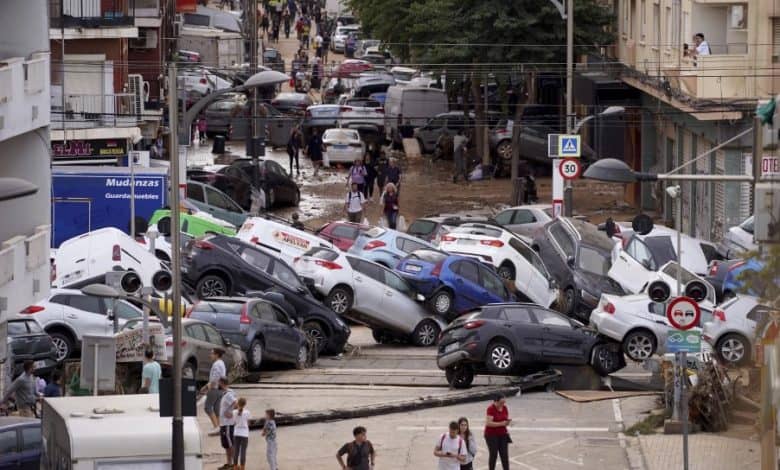
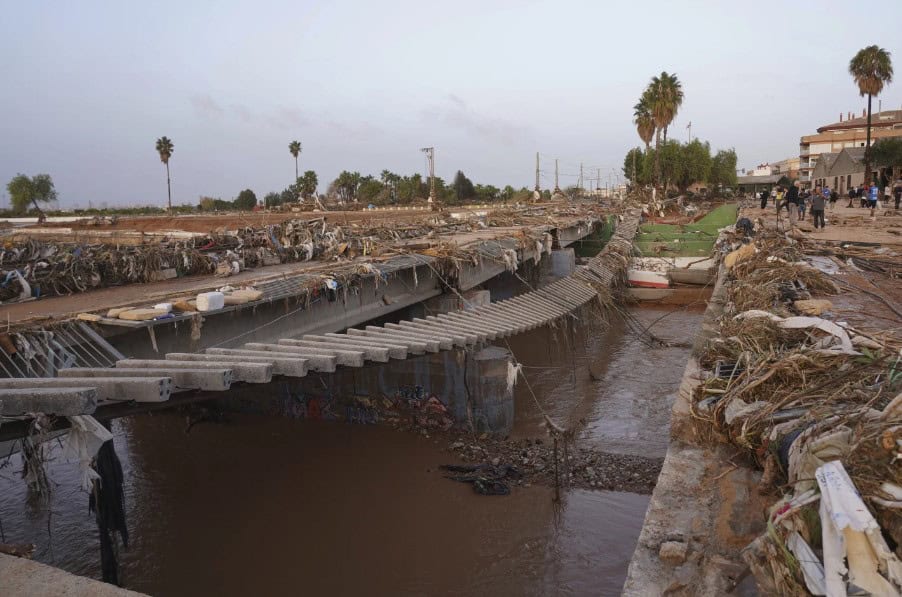
Spain is reeling from one of the most devastating floods in its history, which has so far claimed the lives of at least 158 people.
Search is still underway for bodies in the ruins and stranded cars, while an unknown number of people are missing, raising the possibility of finding more victims, reported the Associated Press (AP).
High Death Toll
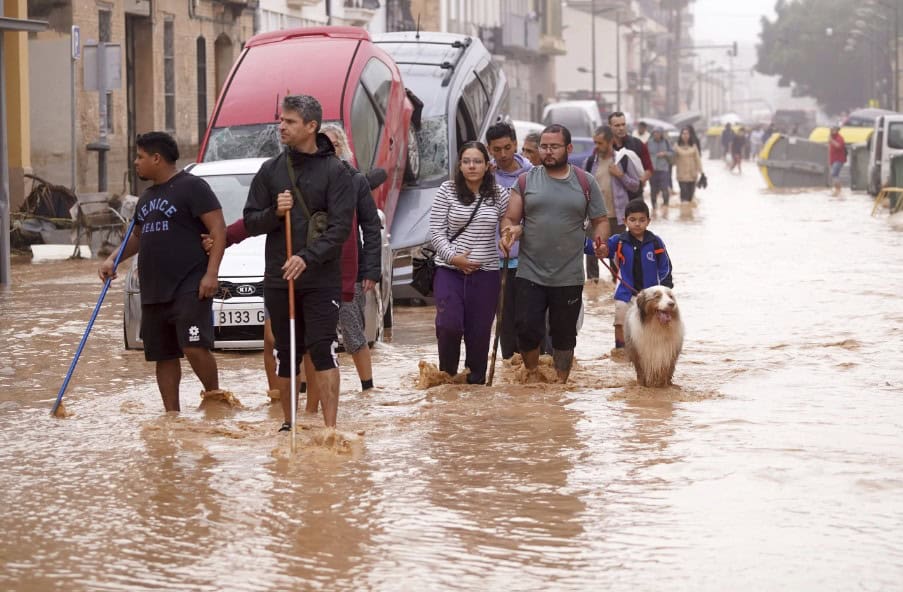
On Tuesday, heavy rain has caused flash floods in eastern Spain, ruining homes and disrupting transportation. In a matter of minutes, people found themselves trapped in their homes, businesses and vehicles in one of the worst natural disasters that hit the European country.
According to the Spanish national weather service, it rained more in eight hours in Valencia than it had in the preceding 20 months. It called the deluge “extraordinary.”
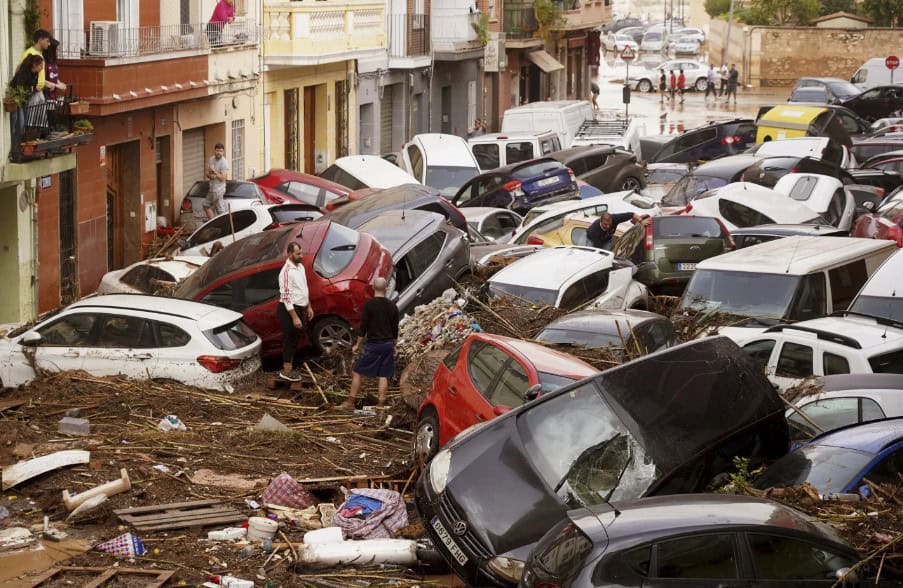
The deadly flash floods have claimed the lives of at least 158 people, 155 of which are confirmed in the eastern Valencia region alone, two in Castilla La Mancha and one in Andalusia.
Spain’s Transport Minister, Óscar Puente, said early Thursday: “Unfortunately, there are dead people inside some vehicles.”
As search efforts continue in hard-to-reach places and other regions report victims, the death toll will likely increase.
Government Response
In response to the crisis, authorities deployed rescue personnel and over 1,100 soldiers from Spain’s emergency response units to affected areas.
Furthermore, Spain’s central government established a crisis committee to coordinate rescue efforts.

The Spanish Prime Minister Pedro Sánchez said in a televised address: “For those who are looking for their loved ones, all of Spain feels your pain.”
Commenting on the tragic event, President of the European Commission, Ursula von der Leyen, told reporters in Brussels that the EU will use its Copernicus geo-monitoring satellite system to “help coordinate the rescue teams.”
Flash Floods Causes
In an attempt to explain the extraordinary phenomenon, scientists attribute the flash floods to two possible causes linked to human-caused climate change. The first is that warmer air holds more moisture, leading to heavier rains.
The second cause is changes in the jet stream, a high-altitude air current, which can cause more extreme weather patterns. Meteorologists call this phenomenon gota fría or “cold drop.” It happens when cooler air separates from the jet stream and travels over the Mediterranean Sea’s warm waters, leading to heavy rainfall.
Moreover, the unusually high temperature of the Mediterranean Sea could be another cause. It reached its warmest surface temperature on record in mid-August. Spain also faced prolonged droughts in 2022 and 2023.
According to experts, droughts and floods are increasing with climate change. The prolonged droughts make it harder for the land to absorb high volumes of water.
The Deadliest in Decades
Although the Mediterranean coast of Spain is used to autumn storms that lead to flooding, this flash floods were the deadliest in recent history.
In 1959, a flood in the Spanish town of Ribadelago killed 144 people, according to CNN. However, this disaster was not caused by a natural event, but a dam failure.

In 1996, floods near the town of Biescas in the Pyrenees Mountains claimed the lives of 87 people.
This week’s flash floods are Spain’s deadliest natural catastrophe in living memory. It is comparable to the flooding that swept Germany and Belgium in 2021, killing more than 230 people.