Guarding Regional Stability: Saudi Arabia’s Strategy in Shifting Middle East
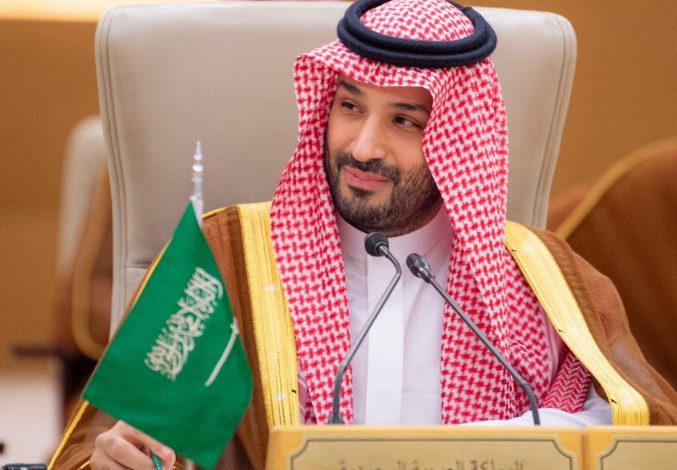
The recent regional escalation underscored the urgent need for robust political, security, and economic architectures capable of withstanding sudden crises. For Saudi Arabia, this volatile period has proved that its long-term vision of stability, economic connectivity, and proactive deterrence has successfully shielded the Kingdom from the conflict’s repercussions.
As the region transitions into a postwar phase, Riyadh’s ability to match its unrivaled economic weight with a sophisticated, autonomous defense and diplomatic strategy will define the new Middle East’s map of influence.
Anchor of Regional Stability
Riyadh has always been a steadfast advocate for regional stability and security. It pursues a dual track of active diplomacy and deterrence for reaching peaceful solutions to conflicts and disputes.
The Big Picture: The US and Iran signed a preliminary deal on June 18, known as the Islamabad Memorandum of Understanding (MoU), to end their four-month conflict and launch negotiations to secure a comprehensive agreement.
While Saudi Arabia and Gulf States welcomed the US-Iran MoU, concerns remain high as the deal leaves several disputed issues unaddressed, including Iran’s support for non-state armed groups and its ballistic missile program.
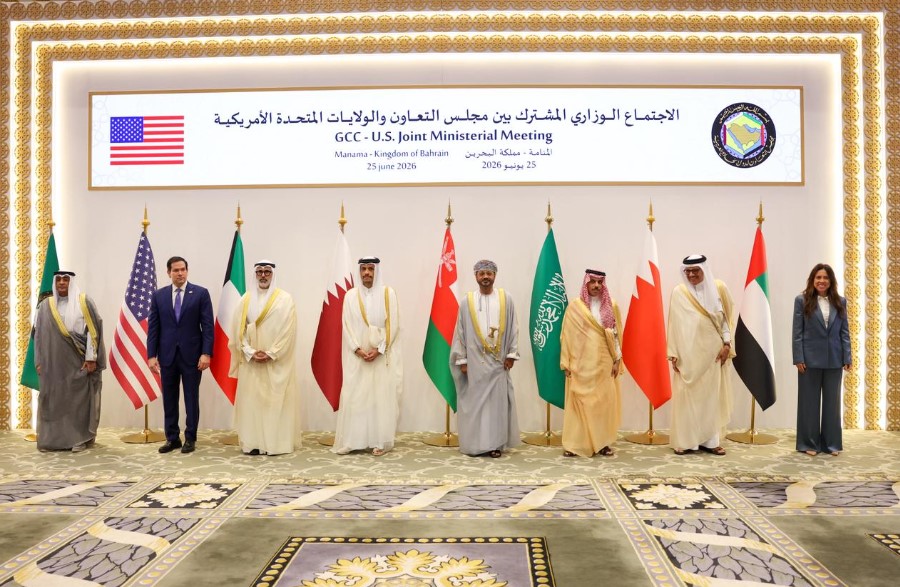
State of Play: Riyadh stressed on many occasions that any final deal must take the Gulf’s security and sovereign interests into account. Saudi Foreign Minister Prince Faisal bin Farhan noted that any US-Iran deal must address the broader regional security concerns.
He also said that regional countries and Iran need to launch a security dialogue to address these issues and build a regional framework that respects the sovereignty and national security interests of all parties.
Between The Lines: Saudi Arabia has maintained a strict policy of de-escalation during the recent conflict, effectively closing its airspace to offensive operations by foreign countries and calling on warring parties to return to dialogue to resolve disputes.
Strong Economic Resilience
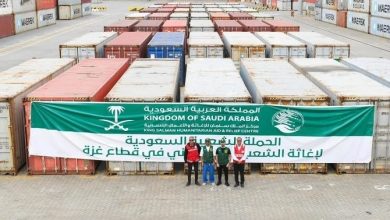
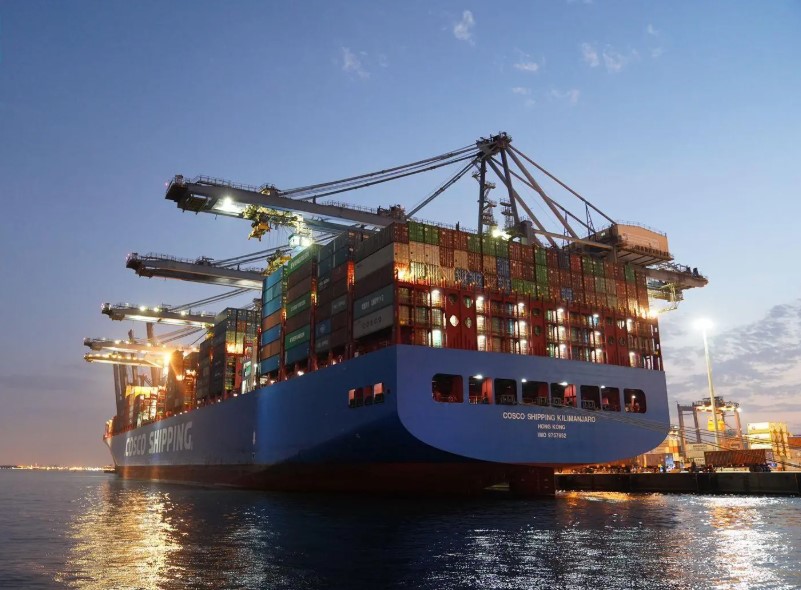
As the war effectively closed the Strait of Hormuz, Saudi Arabia has actively hedged against the disruptions of shipping by enhancing maritime connectivity and supporting supply chain resilience through the Red Sea, providing a lifeline for global markets.
Backstory: The Strait of Hormuz is a strategic waterway linking the Arabian Gulf with the Gulf of Oman and the Arabian Sea, through which around a fifth of daily global oil and LNG supplies pass. Iran has partially closed the Strait, illegally blocking transit without its permission. This has disrupted the flow of goods, essential commodities and energy and aid supplies.
To bypass the maritime chokepoint, the Kingdom launched the “Logistics Corridors Initiative” to reroute shipping from ports in the Arabian Gulf to the Kingdom’s Red Sea ports.
It also introduced new shipping services to the Jeddah Islamic Port and launched a new multimodal land bridge connecting Europe, Egypt, Saudi Arabia, Iraq and the Gulf Cooperation Council (GCC) countries through the Port of NEOM.
Furthermore, Saudi Arabia utilized the East-West Pipeline, maxing out its operational capacity to its full limit of 7.0 million barrels per day in the first quarter of 2026, driving a 25% year-on-year increase in Aramco’s net income.
The Context: The East-West Crude Oil Pipeline, also known as Petroline, is a 1,200-km-long pipeline that runs from the Abqaiq oilfield in the Eastern Province to Yanbu along the Red Sea coast.
Saudi Arabia also showed unmatched resilience, operational readiness, and crisis management efficiency by rapidly restoring production within days in facilities targeted by drone strikes, including the Manifa and Khurais fields.
What’s Next: The Kingdom has explored ways to enhance land connectivity by expanding regional land networks. One bold initiative is the revival of the historic Hejaz Railway – a pivotal transport corridor that connects Europe to the Gulf region through Türkiye and Syria. To this end, Riyadh and Ankara recently signed two MoUs to boost railway and logistics cooperation.
Regional Coordination as a Strategic Hedge
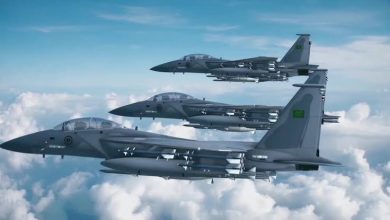
In line with the dual track of diplomacy and deterrence, Saudi Arabia has strengthened its diplomatic and security cooperation with other regional powers as part of its efforts to maintain balanced relations with Eastern powers.
The Deep Dive: The Saudi Defense Ministry signed a multi-billion dollar export contract with Turkish drone giant Baykar in 2023. It also signed follow-up agreements to localize the manufacturing of the Akinci Unmanned Combat Aerial Vehicle (UCAV) and its parts inside the Kingdom.
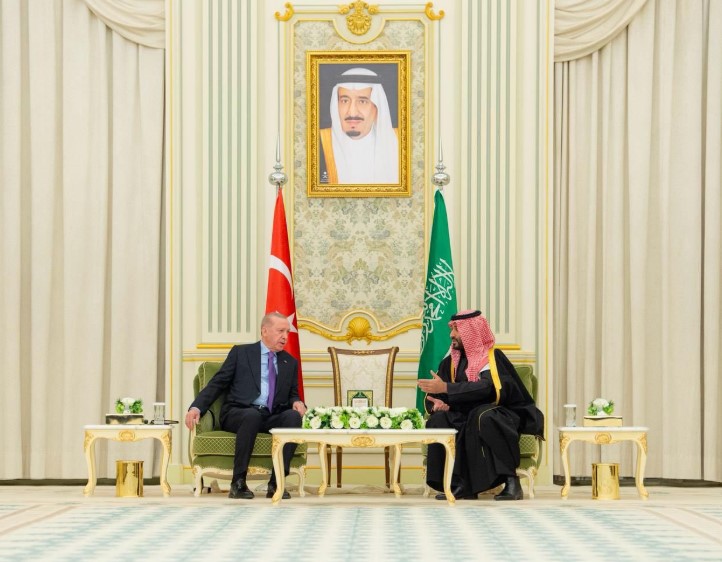
In early 2026, Saudi Arabia and Türkiye finalized an MoU for the joint production of the Turkish indigenous Gökbey multirole helicopter. Discussions are also underway for Saudi Arabia’s joint investment and participation in Türkiye’s KAAN stealth fighter jet program, an initiative that Turkish President Recep Tayyip Erdoğan explicitly confirmed could be activated as a full partnership.
State of Play: Saudi Arabia has also deepened its maritime coordination with Egypt to protect the Bab al-Mandab Strait and the Red Sea corridor. This materialized in a cooperation protocol signed in September 2025 to support maritime security efforts in the region.
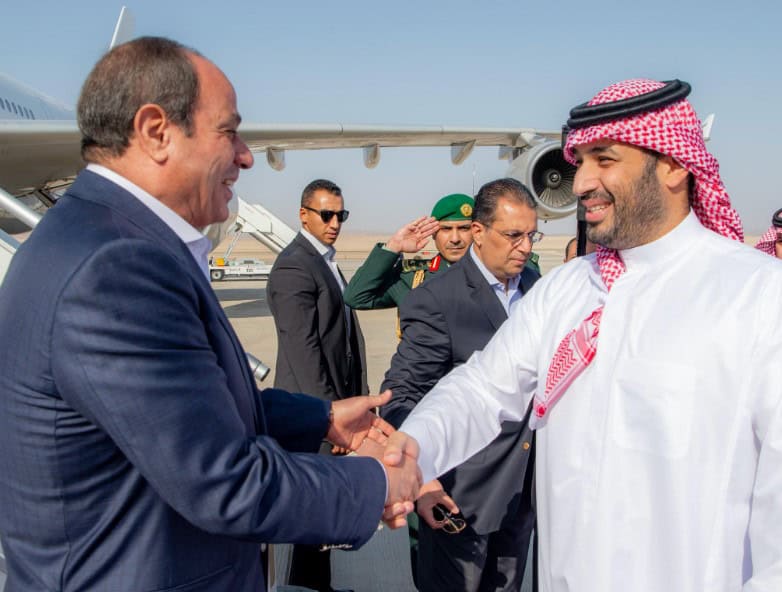
Saudi and Egyptian military officials also discussed avenues for bolstering military cooperation between their respective naval forces, including ways to transfer and exchange expertise.
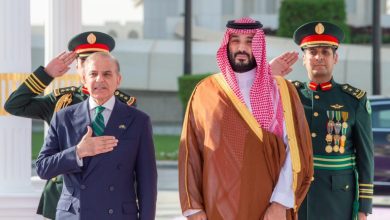
In the same month, the Kingdom bolstered its defense ties with Pakistan by signing a Strategic Mutual Defense Agreement (SMDA), which enhances cooperation between Riyadh and Islamabad and strengthens joint deterrence against any potential aggression. It clearly states that “any aggression against either country shall be considered an aggression against both.”
The Trend: This close coordination between Saudi Arabia and the three countries took shape in a quadrilateral framework, known as the Regional Four (R-4) group, which held its first meeting in Riyadh in March 2026.
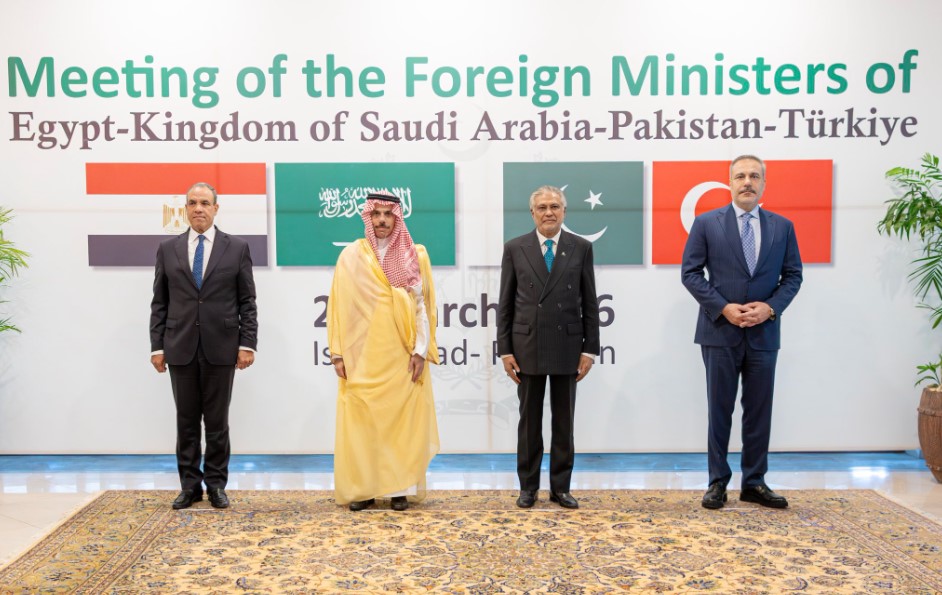
The R-4 group’s meetings focused on boosting joint coordination and unifying positions in the face of the rapidly evolving developments and dangerous military escalation in the Middle East.
The four countries underscored the importance of enhancing diplomatic efforts to address the crisis and promote regional security and stability.
Long-standing Partnership with the US
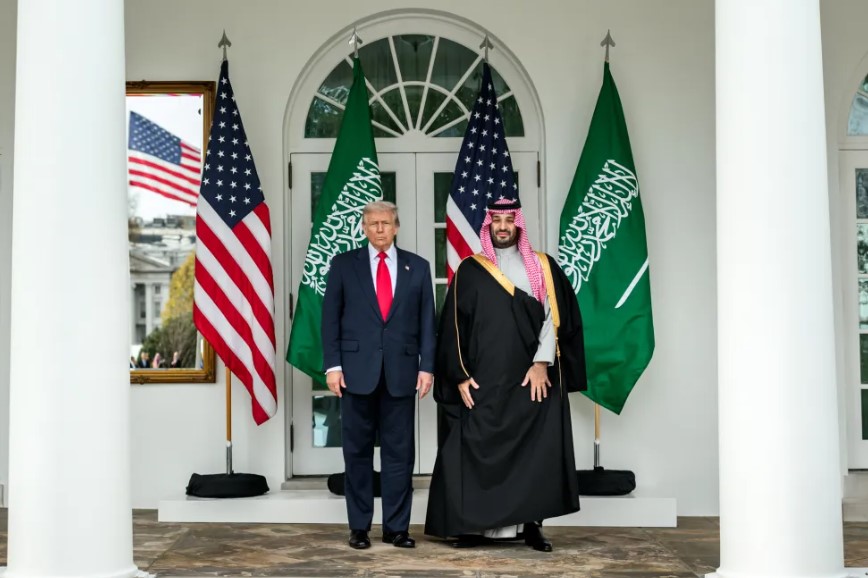
Riyadh’s long-standing ties with Washington date back to more than 8 decades, with defense cooperation at its core. Despite diversifying its security partners, Saudi Arabia has maintained its strategic partnership with the US.
Tactical Focus: The Armed Forces of both nations jointly pioneer next-generation tactical solutions, specifically designed to address asymmetric warfare, intelligence sharing, and integrated air defense networks.
This was evident in the historic Red Sands 2025 exercises, which took place in September 2025. During the exercise, US Army Central (ARCENT) and the Saudi Arabian Armed Forces executed the fourth iteration of the Red Sands Integrated Experimentation Center at the Shamal-2 Range.
Serving as the largest counter-drone live-fire drill ever held in the region, the exercise marked the pinnacle of rapid prototyping and cutting-edge defensive integration developed by Riyadh and Washington since their inaugural experimental demonstration in 2023.
The Reassurance: Since signing the preliminary deal with Iran, the US has repeatedly reassured Saudi Arabia and Gulf allies of its unwavering commitment to their security and sovereignty, reiterating full alignment with Gulf partners on regional security.
The Bottom Line: This transformation underscores a fundamental realignment within the Middle Eastern map of influence. Saudi Arabia has firmly established itself as the political center of gravity for the emerging axis, mirroring its leadership role in prior regional orders while preserving its critical position as an economic and security partner to the US.