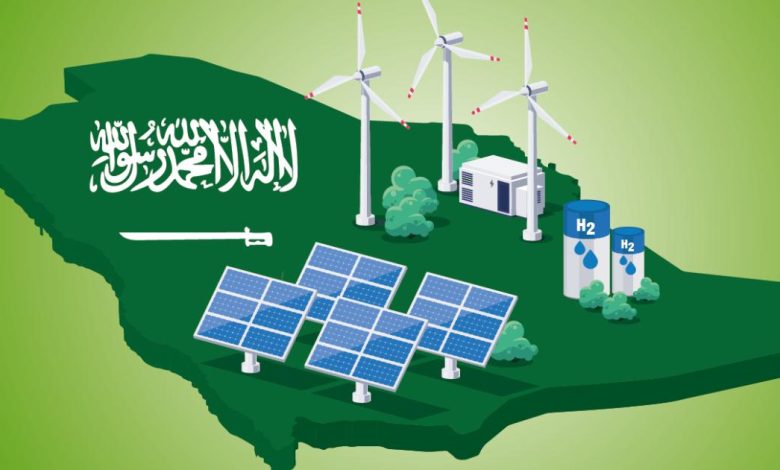
Saudi Arabia’s renewable energy sector has undergone a remarkable transformation in just a few years. What was once defined by ambitious plans and untapped natural potential is now measured in billion-riyal investments, large-scale solar and wind projects, and some of the world’s lowest electricity generation costs. Driven by Saudi Vision 2030, the Kingdom has moved beyond planning to execution, positioning itself as an emerging global leader in the transition to cleaner and more sustainable energy.
The Ministry of Energy emphasizes that expanding renewable energy is not intended to replace oil, but rather to create a more sustainable and efficient energy mix that supports economic growth while making the best possible use of the country’s natural resources. As a result, dozens of projects have been launched across the Kingdom in recent years, transforming clean energy from a future aspiration into a rapidly growing economic sector.

New Era in Energy Sector
Saudi Arabia possesses one of the highest levels of solar irradiation in the world, along with regions characterized by consistent wind conditions, providing an ideal environment for investment in solar and wind energy. The Ministry of Energy has capitalized on these natural advantages through the National Renewable Energy Program (NREP), which has become the primary framework for implementing new renewable energy projects.
The program extends beyond simply constructing power plants. It follows a globally competitive model that encourages participation from both domestic and international companies. This approach has helped reduce electricity generation costs and achieve highly competitive prices, placing Saudi Arabia among the world’s leading countries in renewable energy development.

The success of this strategy became evident with the commissioning of the Sakaka Solar Power Plant, followed by the Dumat Al Jandal Wind Farm, both of which marked the beginning of a broader wave of larger and more diversified renewable energy projects.
Modern Projects: Massive Investments, Promising Future
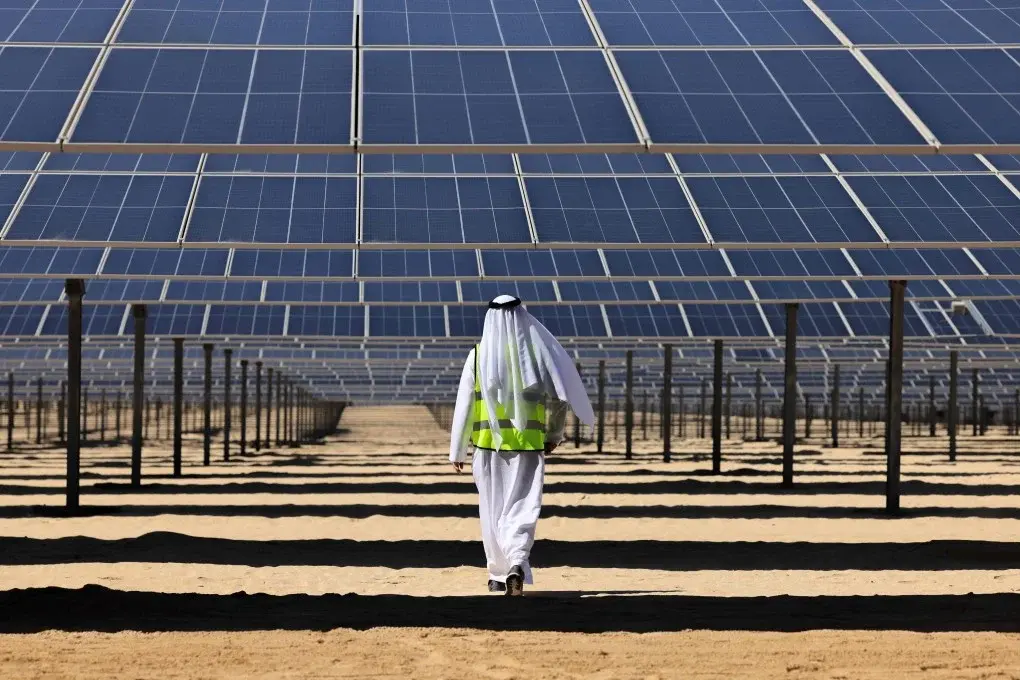
The year 2025 marked one of the Kingdom’s most significant milestones in renewable energy expansion when the Ministry of Energy announced the signing of power purchase agreements for seven new renewable energy projects with a combined generating capacity of 15,000 megawatts and investments exceeding SAR 31 billion.
The portfolio includes five solar power plants and two wind farms distributed across various regions of Saudi Arabia, supporting balanced regional development while maximizing the use of each area’s natural resources.
These projects clearly demonstrate the Kingdom’s transition from developing individual power plants to building an integrated network of clean energy projects capable of meeting an increasing share of electricity demand while maintaining high efficiency and reducing carbon emissions.
Among the projects that have attracted considerable attention is the Samtah Solar Power Project in the Jazan region, along with new projects in the Qassim and Najran regions. Developed under successive phases of the National Renewable Energy Program, these projects have contributed to setting global records for the low cost of electricity generation.
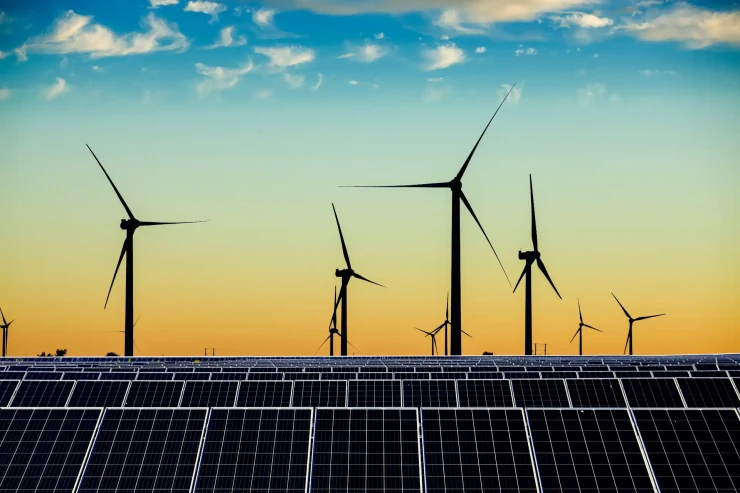
The Ministry of Energy has also awarded contracts for five additional projects under the program’s sixth phase, with a combined capacity of 4,500 megawatts, underscoring the Kingdom’s continued commitment to expanding the renewable energy sector according to a clear roadmap aligned with the objectives of Saudi Vision 2030.
NEOM, Green Hydrogen
While solar and wind energy remain central to Saudi Arabia’s renewable energy strategy, the Kingdom’s Green Hydrogen Project at NEOM has become the most internationally recognized initiative, representing a transformative step in clean energy investment.
The project aims to produce hydrogen using electricity generated from renewable sources and then convert it into a clean fuel for export to global markets, particularly as international demand continues to grow for low-carbon energy sources.
Its significance extends beyond energy production. The project is expected to stimulate the development of new industries, accelerate technological innovation, and attract international investment, strengthening Saudi Arabia’s position within the emerging global green economy.
Economic Benefits Beyond Electricity Generation
Discussions about alternative energy projects often emphasize their environmental benefits, but their economic impact is equally significant. These projects attract substantial investments, create thousands of jobs, facilitate the transfer of technical expertise, and support the growth of domestic industries linked to the energy sector.
Saudi Arabia is also working to increase local content in project implementation, enabling Saudi companies to participate in equipment manufacturing, construction, operation, and maintenance. This strategy strengthens the national economy while building domestic industrial capabilities.
The Kingdom’s renewable energy expansion is expected to stimulate the emergence of new industries, including the manufacturing of solar panels, energy storage systems, and green hydrogen equipment, further supporting the country’s broader economic diversification goals.

Environmental Impact: Investment in Future
The importance of renewable energy extends well beyond economic returns. It represents one of the most effective tools for environmental protection. Greater reliance on clean energy reduces the consumption of conventional fuels, lowers carbon emissions, and improves air quality.
For this reason, renewable energy projects are closely linked to the Saudi Green Initiative, which aims to reduce emissions, expand the use of clean energy, and implement large-scale environmental protection and ecosystem restoration projects.
Saudi authorities emphasize that these initiatives not only benefit the Kingdom but also contribute to international efforts to combat climate change and promote sustainable development.
Challenges, Opportunities
Despite its significant achievements, Saudi Arabia’s renewable energy sector faces several technical and operational challenges, including the need to expand electricity storage capacity, strengthen transmission networks, and develop a highly skilled national workforce capable of keeping pace with rapidly advancing technologies.
However, the scale of current investments, strong government support, and strategic partnerships with leading international companies are turning these challenges into opportunities for continued growth and innovation, particularly as new projects and energy infrastructure continue to be developed.
Looking Ahead
Current trends indicate that Saudi Arabia will continue expanding its investments in solar power, wind energy, and green hydrogen over the coming years, while also advancing energy storage technologies and smart grid infrastructure.
The Kingdom’s ambition extends beyond achieving self-sufficiency in clean energy. It seeks to become a global hub for the production and export of energy in all its forms, leveraging its decades of experience in the energy sector, its strategic geographic location, and its exceptional natural resources.

In light of the Ministry of Energy’s recently announced projects, it is clear that Saudi Arabia has entered a new era defined by diversifying energy sources while preserving its global leadership. Projects that were once merely plans have now become operational facilities, substantial investments, and a growing economic foundation that will support future generations.
Ultimately, Saudi Arabia’s success in renewable energy will not be measured solely by the number of power plants it builds, but by its ability to establish an entirely new economic sector—one that combines innovation, sustainability, and development while reinforcing the Kingdom’s position as one of the world’s most influential players in shaping the future of global energy.
Related Topics:
ACWA Power Transforms Energy Landscape with $3.9bn Deal
Saudi Energy Min. Meets South Korean Trade Min.
Saudi Arabia and Japan Pioneer New Model for Clean Energy