Trump Considers Troops Pullout from Europe as NATO Tensions Deepen: Reuters
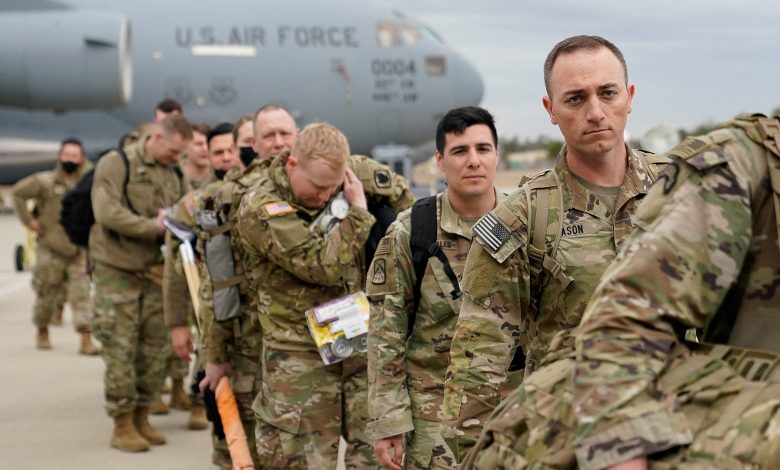
President Donald Trump is seriously considering withdrawing some US troops from Europe, a senior White House official confirmed to Reuters on Thursday. The move reflects the US President’s mounting frustration with NATO allies over their failure to assist in securing the Strait of Hormuz and stalled negotiations to acquire Greenland. No decision has been made yet, the official stated, but internal discussions highlight a sharp decline in transatlantic relations.
Relations between Washington and its European allies have deteriorated significantly in recent months, arguably sinking to their lowest point since NATO’s 1949 founding. A Wednesday meeting with NATO Secretary-General Mark Rutte in Washington failed to ease tensions, despite Rutte’s attempt to reassure Trump. “The large majority of European nations have been helpful to Washington’s war effort in Iran,” Rutte told CNN, yet Trump remains unconvinced.
Greenland Dispute Adds Fuel
Trump’s irritation deepened after NATO allies dismissed his bid to purchase Greenland, an overseas territory of Denmark. “He asked NATO specifically to come up with a plan when we were in Davos, and they’re sort of not taking it seriously,” the White House official revealed. The dispute, reignited in January, has further strained an already fragile alliance.
While Trump has long criticized NATO members for inadequate defense spending, the past three months have been particularly volatile. His demands for immediate commitments to secure the Strait of Hormuz, vital to global energy supplies, have gone unmet. NATO diplomats argue the US has not clearly outlined expected contributions from each member country.
Reports suggest Trump may repatriate troops rather than redeploy them to more supportive European nations. With over 80,000 US troops currently stationed in Europe, 30,000 of them in Germany, any reduction would reshape the continent’s security landscape. The White House has not yet directed the Pentagon to draft plans, but the discussions alone signal a potential turning point in US-NATO relations.