Riyadh’s King Abdulaziz Public Library Unveils Rare 800-Year Andalusian Heritage
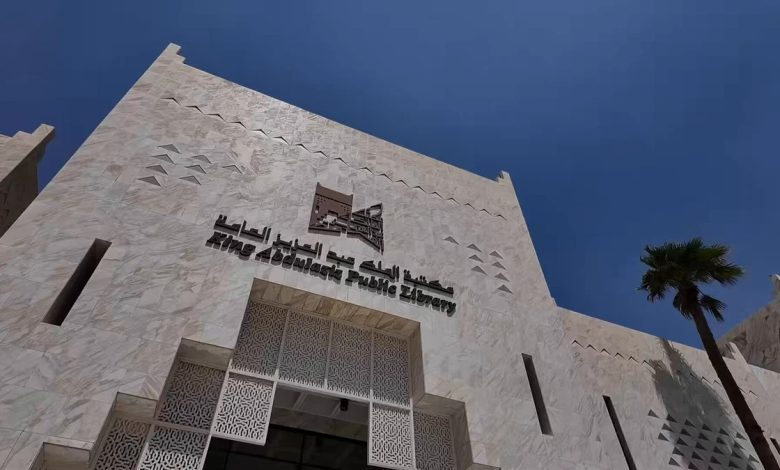
The big picture: King Abdulaziz Public Library in Riyadh now showcases an exceptional collection of rare manuscripts and historical books. Consequently, this exhibition highlights eight centuries of Andalusian Islamic civilization, spanning from 711 AD to 1492 AD.
Why it matters: Furthermore, the Kingdom continues its efforts to safeguard global Islamic heritage under Saudi Vision 2030. KAPL leadership stated, “We bridge ancient historical wisdom with modern global researchers to safeguard Islamic civilization.” Therefore, this initiative connects historical research with future generations. In addition, national cultural policy establishes heritage preservation as a primary driver of modern identity. Consequently, Saudi Arabia integrates historical conservation into urban development projects across major regions.
Preserving Eight Centuries of Andalusian Legacy
Specifically, the library selected 84 essential titles from its extensive archives. The collection contains 13 rare Arabic books alongside 71 foreign-language references. These languages include English, Spanish, French, German, and Latin. Additionally, KAPL cataloged these materials in its 2006 bibliography volume with the title “Andalusian Sources.”
The collection features Jayme Bleda’s 1618 masterpiece, “Historical News of Arabs in Spain.” Bleda published this 1,071-page volume in Old Spanish across eight sections and 333 chapters. The text details Muslim history from the life of Prophet Muhammad to the Morisco expulsion.
Furthermore, the library showcases other critical European works on Iberian history. For example, the exhibition includes books by Max von Boehn and Henry Edward Watts. Additionally, it highlights studies by Bernhard Wishaw, Ellen Wishaw, Albert Frederick Calvert, and Victor Picquet. These authors explore Andalusian literature, poetry, agriculture, coins, and grand architecture across Cordoba, Seville, Toledo, and Granada.
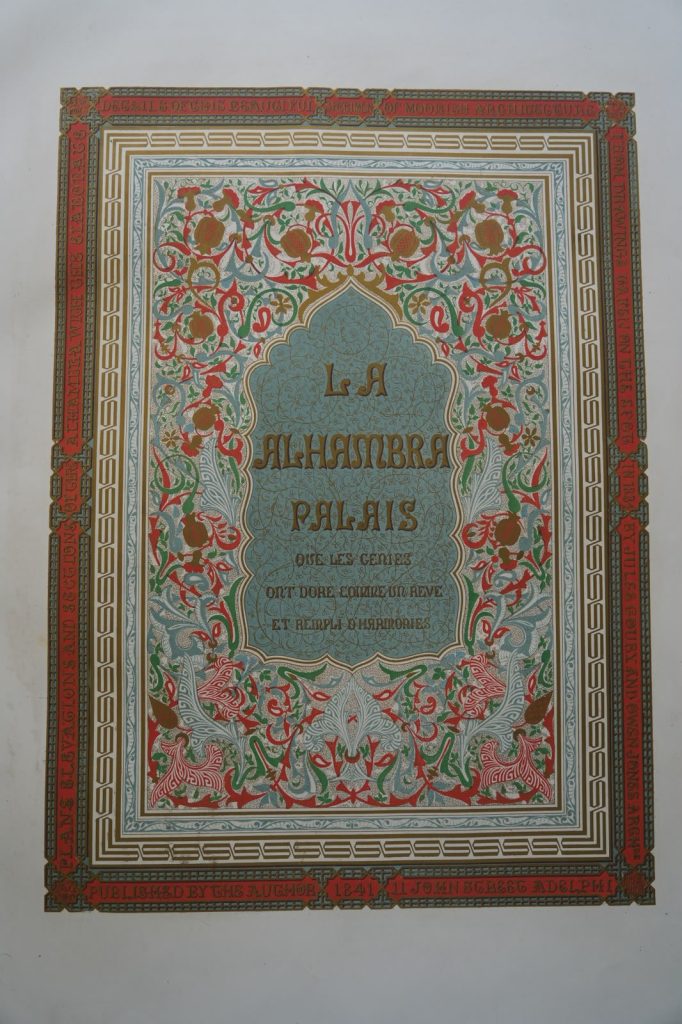
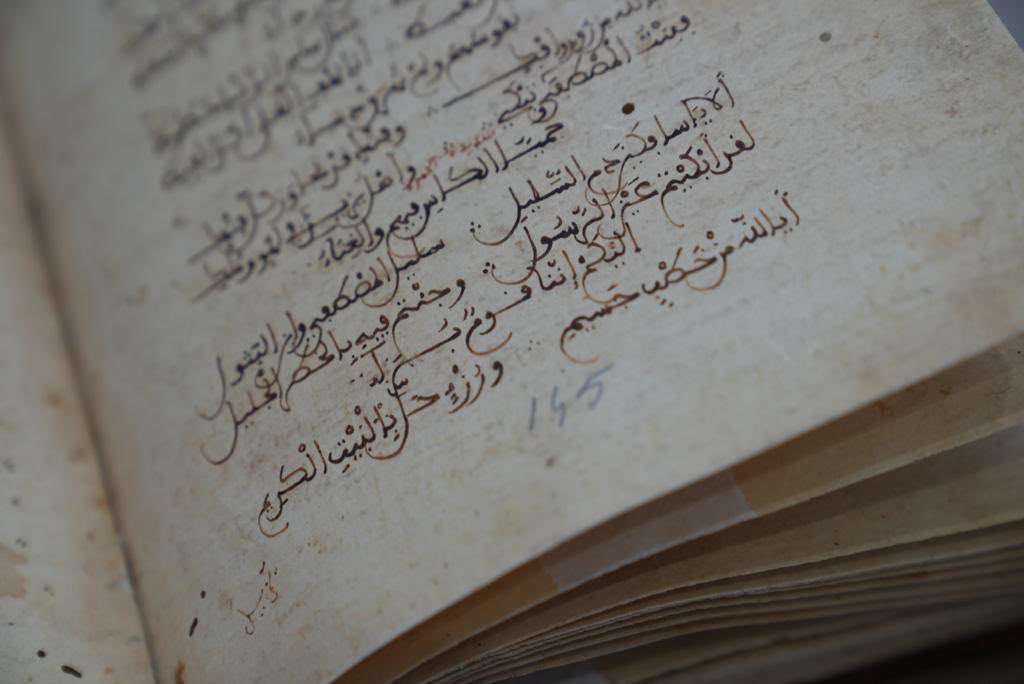
Meanwhile, the library protects unique primary manuscripts. For instance, it houses the only known copy of “Rawdat Al-Uns wa Nuzhat Al-Nafs” by Abu Al-Baqa Al-Rundi. The scholar copied this text in 675 AH and dedicated it to Granada Sultan Abu Abdullah Ibn Nasr. Additionally, KAPL holds Al-Maqqari’s “Nafh Al-Tib,” Al-Wansharisi’s “Al-Mi’yar Al-Mu’rab,” and Ibn Bashkuwal’s “Al-Silah.”
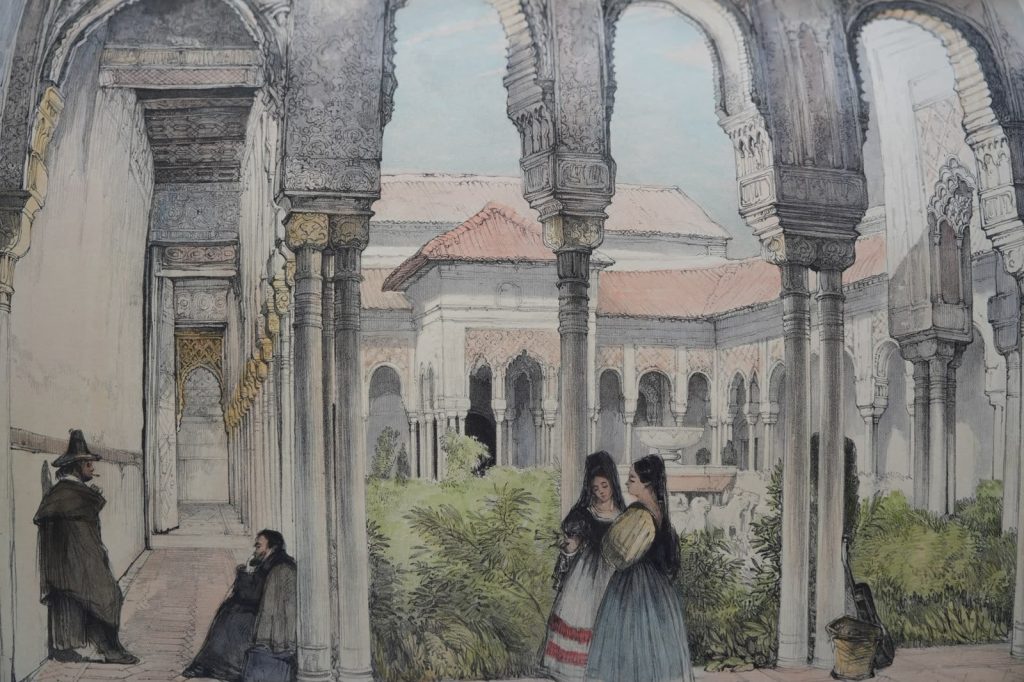
The institution also displays David Roberts’ 1830s volume, “Picturesque Sketches in Spain.” Roberts created 26 hand-colored lithographs portraying Andalusian Islamic architecture. Ultimately, publishers produced only 30 copies of this luxury volume worldwide.
Safeguarding Arab Heritage Through Strategic Investment
Consequently, Saudi Arabia actively expands its cultural footprint across the region. The Ministry of Culture leads national heritage preservation efforts. Furthermore, the Heritage Commission oversees the protection of thousands of historic locations nationwide. For instance, ongoing initiatives restore historic quarters in Diriyah, AlUla, and Jeddah’s Al-Balad district.
By the numbers:
- SAR 81 billion ($21.6 billion): The Ministry of Culture allocated this sum for cultural infrastructure.
- SAR 200 billion ($53.3 billion): Saudi Arabia plans to invest this total in cultural developments by 2035.
- 84 titles: The library selected these rare Andalusian works for public research.
- 8,000 manuscripts: KAPL preserves this vast collection of historical hand-written texts.
- 32,000 rare books: The institution holds these original published volumes in Riyadh.
- 700 rare maps: KAPL preserves geographical maps of Arabia dating back to 1482.
- 7,600 historic coins: The library maintains currency specimens from successive Islamic eras.
- 1985 AD: KAPL began its cultural mission during this foundation year.
Unlocking Global Access to Historic Manuscripts
Moreover, KAPL advances research opportunities for international scholars. The library digitizes rare texts to expand access across the globe. Additionally, Saudi heritage institutions protect both tangible and intangible cultural assets. As a result, the Kingdom strengthens its position as a global cultural hub.
Furthermore, international partnerships enable KAPL to host cultural symposiums and global exhibitions. Scholars worldwide utilize these resources to publish new academic studies on Arab-Islamic history. Ultimately, these ongoing investments ensure that future generations cherish their rich civilizational heritage. Indeed, national institutions safeguard priceless knowledge for humanity.

The library’s heritage mission extends well beyond Andalusian history. It has digitized its full manuscript archive for researchers worldwide, and it recently unveiled a 1,000-year-old Quranic manuscript, Gharib al-Quran. Together, these efforts reflect a broader Saudi strategy: position the Kingdom as a custodian of Arab and Islamic heritage while it builds modern cultural infrastructure for scholarship and tourism alike.