Pioneering Research Reveals the Emergence of ‘Brands’ in Bronze Age Arabia
Long before the emergence of modern marketplaces with their logos, brands, and meticulously crafted identities, ancient communities seemed to grasp a timeless truth: the power of distinction.
They designed objects that were not only outstanding but consistently recognizable, laying the foundations of identity and continuity, centuries before marketing gave those ideas a name.
Could branding really be 3,500 years old?
A new international scientific study, led by the Heritage Commission in collaboration with the University of Vienna, is casting fresh light on an unexpected chapter in the economic history of northwestern Arabia, revealing local ingenuity where scholars once assumed outside influence.
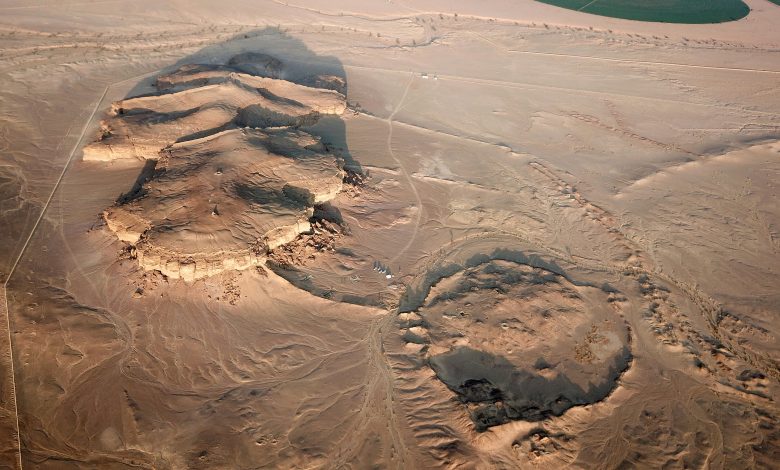
Evidence from the oasis of Qurayyah signals the rise of specialized production systems during the Bronze Age, suggesting that an early form of product identity may have existed in the Arabian Peninsula more than 3,500 years ago.
Led by Marta Luciani of the University of Vienna, the international research team examined a distinctive tradition of two-color painted pottery unearthed at Qurayyah.
The discovery offers a rare glimpse into a diverse array of consistent methods and recognizable characteristics developed by ancient producers. Remarkably, these features may have opened a new avenue for their products to stand out in an unmistakable way as they moved beyond the oasis and into wider regional networks.
More boldly, the findings raise a fascinating possibility: the idea behind a “brand” may be far older than the modern commercial world, with its roots extending deep into the Bronze Age and the thriving oases of northwestern Arabia.
When production became identity
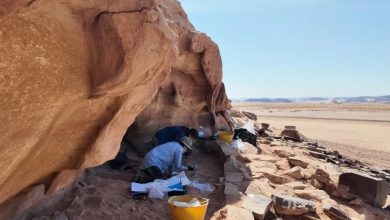
Published in PLOS One, the study relied on a series of archaeological excavations at the oasis of Qurayyah in the Tabuk Region, where a distinctive tradition of two-color pottery has provided researchers with a rare glimpse into the sophistication of ancient production.
Surprisingly, the vessels unearthed at the site were not merely united by decorative style. Their strikingly consistent manufacturing traits point to an established and enduring production tradition, standing as living proof that craftsmanship followed recognizable methods and standards.
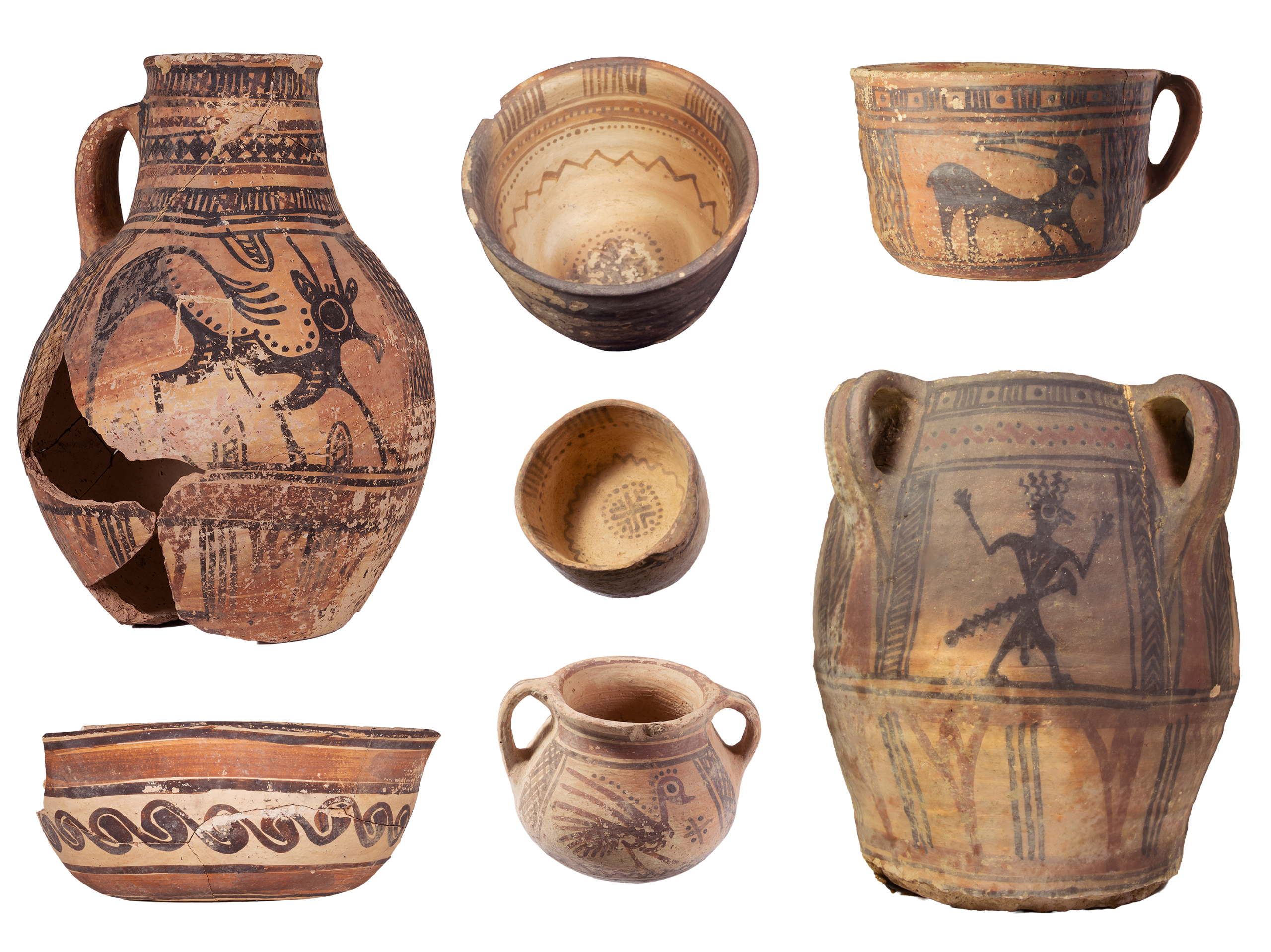
Such consistency may have helped provide the pottery with a clear sense of identity, offering an early glimpse of how production and reputation may have intersected in Bronze Age Arabia.
How do scientists trace the origins of 3,500-year-old pottery?
Reaching these conclusions required a broad international research effort.
The research brought together an international team of scholars from the Massachusetts Institute of Technology, the Harvard Museum of the Ancient Near East, the Austrian Archaeological Institute, the Austrian Academy of Sciences, TU Wien, and the University of Sydney, alongside researchers from the University of Vienna and the Heritage Commission.
Together, the partners hinged on advanced archaeological and laboratory technologies to examine the excavated material more closely.
Through a seamless blend between scientific analysis and archaeological evidence, the study moves beyond the surface of the finds, revealing clues about how the pottery was made, where it came from, and how a distinctive production tradition could have reached distant communities.
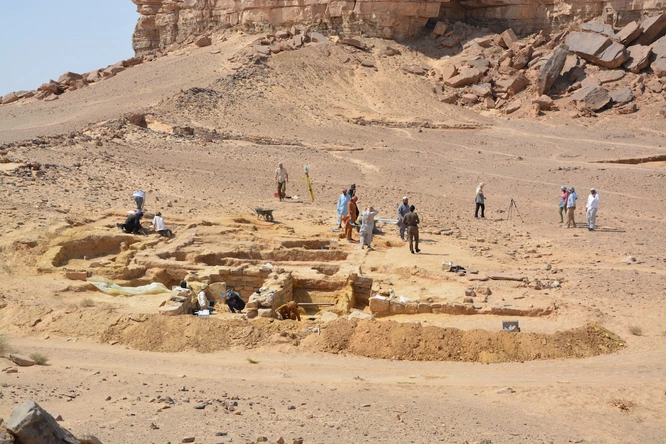
“Decisive for this first-time discovery was our interdisciplinary and multi-scalar approach, combining examination of stratified material, vessel-shaping technology, petrographic analysis of ceramic thin sections under the polarizing microscope,” explains Pamela Fragnoli, Head of the Ceramic Lab of the Austrian Archaeological Institute at the Austrian Academy of Science.
What makes a product a brand?
Ancient Arabia may have answered first.
At the heart of this pioneering research was a modern question: what makes a product a brand?
To identify possible answers in the ancient world, researchers set out a series of criteria that could reveal whether a recognizable product identity existed beyond individual objects.
These involved a distinctive visual identity, consistency in materials, continuity in production techniques, and evidence of centralized manufacturing. Moreover, researchers searched for signs that products had traveled beyond their place of origin, been imitated locally, reached markets intentionally, and ultimately acquired a cultural reputation of their own.
These markers, therefore, paved the way for tracing the earliest echoes of branding; revealing how ancient products could become recognizable.
Can Qurayyah’s pottery challenge long-held assumptions about Arabia’s role in antiquity?
Perhaps the most striking insight in the study is this: what was once regarded as living proof of cultural exchange may now reveal something even more remarkable; evidence of production rooted in northwestern Arabia itself.
Advanced archaeological and laboratory analyses of pottery recovered at Qurayyah have challenged earlier interpretations of the so-called “Midianite Pottery.”
The findings indicate that the tradition may have originated at the oasis, transforming Qurayyah from a location where the pottery was discovered into a potential hub from which its production tradition emerged.
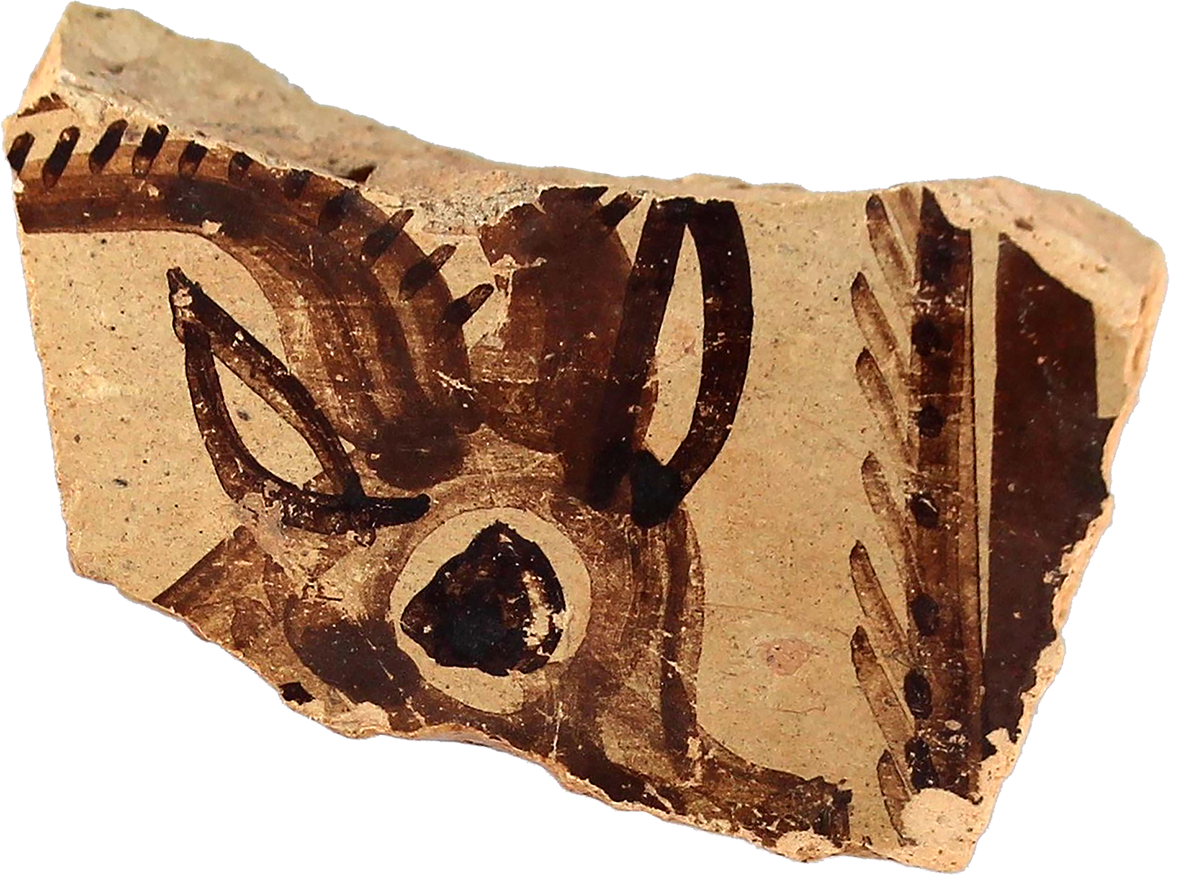
“Our discovery sheds light on how even in the arid environment of desert oases, where essential resources such as clay, water and fuel were scarce, local communities already in the Bronze Age were far from marginal but participated in wider networks of technological know-how shared with neighboring regions, such as the Southern Levant and Syria. Oasis-dwellers were resourceful and inventive enough to create their own ceramic repertoire: to cherish at home and eventually export abroad,” says study lead Marta Luciani from the Department of Prehistoric and Historical Archaeology of the University of Vienna.
What enabled a Bronze Age pottery tradition to endure for centuries?
The earliest painted pottery at the site dates to approximately 3,600 years ago, while evidence points to a production peak around 3,200 years ago.
From Qurayyah, the pottery spread across a broad geographic landscape, extending north to the southern Levant and Egypt and south into northern Arabia.
“The first set of Qurayyah Painted Ware was produced 3,600 years ago. Our most striking discovery was ascertaining that painted pottery production continued, by constantly evolving. Four centuries on, ca. 3,200 years ago they manufactured a flourishing repertoire of painted animals and human rituals: this became the brand that was exported over hundreds of kilometers north to the Southern Levant, to sites like Tell el-Kheleifeh and even the Timna sanctuary of the Egyptian goddess Hathor, and south to North Arabia. But Qurayyah’s potting tradition did not stop and continued to be based in the oasis for another thousand years well into the final Iron Age,” Doralice Klainscek, PhD candidate at the University of Vienna and study co-author, said.
Yet the longevity of the tradition is equally striking. Production continued until the end of the Iron Age in the mid-first millennium BCE, safeguarding a remarkable thread of continuity through centuries of technological, cultural, and commercial change.
A new lens on the complexity of ancient Saudi Arabia
Qurayyah’s pottery ultimately tells a compelling story that extends far beyond the vessels themselves.
It places the oasis among the prominent production hubs of ancient northwestern Arabia and offers new evidence of the region’s capacity for specialized craftsmanship, innovation, and exchange.
At the same time, the discovery also mirrors the significance of continued archaeological research in unearthing the depth and complexity of Saudi Arabia’s past.
Through its unwavering support for scientific investigation and international research partnerships, the Saudi Heritage Commission is helping uncover these deeper narratives, ensuring that the Kingdom’s cultural heritage is understood, documented, and shared on an international stage.
Related Topics:
Saudi Heritage Commission Unearths 147 Architectural Units in Al-Ahsa
Saudi Ancient Roots: Tabuk Hosted Oldest Human Settlement on Arabian Peninsula
Masterpieces of the MANN: Explore Old World’s Civilizations at Ancient Kingdoms Festival