Makkah holds a rich body of intangible heritage that reflects its cultural and social identity and carries a long history of customs, traditions, folk arts, crafts and inherited practices. Shaped across generations, these traditions have helped define life in Makkah and remain a living expression of the authenticity of its society, the diversity of its cultural influences, and its ability to preserve its heritage and pass it on.
The International Day of Intangible Cultural Heritage, observed annually on October 17, underscores the importance of safeguarding this human legacy as an integral part of national identity and collective memory. It also offers an opportunity to introduce local heritage, highlight its cultural and social value, and raise awareness of the need to protect it amid rapid global change.
Makkah’s cultural and social character has been shaped by its religious and historical standing and its role as a meeting point for pilgrims, Umrah performers and visitors from around the world. This has fostered cultural exchange, diversified social customs and practices, and produced distinctive forms of dress, food, hospitality and folk arts that have become part of the city’s identity.
Social Traditions
Social heritage stands at the heart of Makkah’s intangible culture. The values of honoring guests, warm hospitality, solidarity and community connection are deeply rooted in the city’s social fabric. They are especially visible during social occasions, celebrations, Ramadan and the Hajj and Umrah seasons, through family gatherings, the exchange of food, welcoming guests, offering coffee and dates, and sharing occasions with neighbors and relatives.
Traditional Makkah cuisine is among the clearest expressions of this heritage. It includes dishes associated with celebrations, social occasions and Ramadan meals, passed down through generations, such as mutabbaq, saleeg, hareesah, grilled dishes and a range of popular foods, as well as sweets and delicacies tied to the city’s social memory. Their value extends beyond ingredients and preparation methods to the stories, customs and traditions of serving and sharing that reflect Makkah’s social life.
Folk Arts, Oral Heritage
Makkah is also rich in songs, chants and collective performances linked to social and national occasions. Its oral traditions include poetry, storytelling and folk tales passed down by narrators, helping preserve local memory and document aspects of daily life, as well as the historical and social changes the city has experienced. These practices offer a space for expressing joy, belonging and intergenerational connection, with vocabulary, dialects and rhythms that reflect Makkah’s distinctive character.
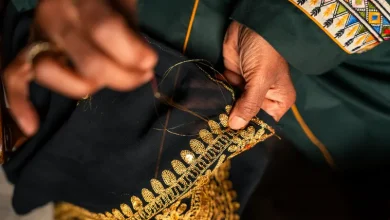
Traditional crafts and old professions form another important part of the city’s cultural memory. Life in Makkah was closely linked to manual, commercial and service occupations that met the needs of residents, pilgrims and Umrah performers. Practitioners passed down knowledge, skills and working methods, including crafts related to pottery, traditional household tools and the production of handmade goods. Documenting these skills is essential to preserving inherited knowledge and highlighting its role in the history of work and production in Makkah.
Hajj and Umrah Heritage
Heritage connected with Hajj and Umrah holds a distinctive place in Makkah’s memory. It encompasses the knowledge, experiences and social practices associated with welcoming and serving the Guests of Allah, the customs that accompanied pilgrims’ arrival and departure, and the forms of solidarity, hospitality and cultural and knowledge exchange that developed around these seasons. Over the centuries, these seasons have shaped part of the city’s social character and reinforced values of communication, tolerance and coexistence among peoples.
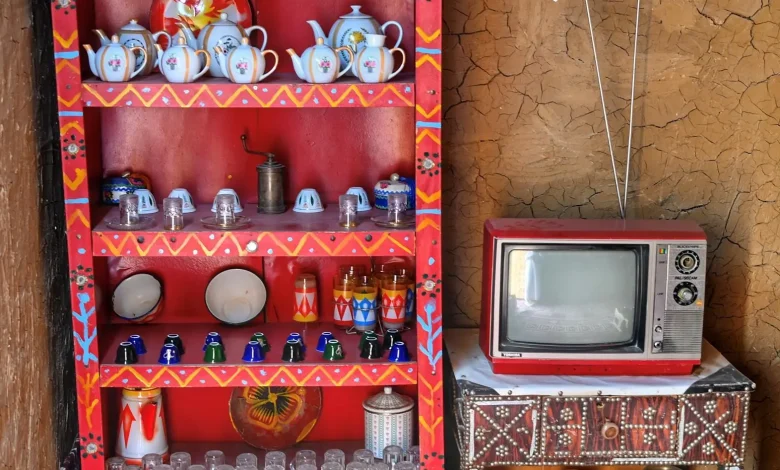
Intangible heritage cannot be separated from the places that nurtured it. Customs, practices, crafts and arts are intertwined with historical landmarks, old markets and traditional buildings that preserve evidence of life in Makkah and help new generations understand the contexts in which this heritage emerged. This highlights the role of museums, cultural centers and awareness programs in documenting oral narratives, displaying tools and artifacts, introducing crafts, professions and customs, and connecting them to their historical and social settings.
Preserving Living Legacy
Cultural and educational institutions and heritage bodies contribute to preserving this legacy through documentation, research, exhibitions, events and educational programs. They involve artisans, storytellers and older generations in transferring knowledge and experience, while encouraging younger generations to learn, practice and develop traditional skills in ways that retain their authenticity and strengthen their place in contemporary life.
These efforts are increasingly important as lifestyles, communication methods and patterns of work and production change. Preserving intangible heritage requires treating it not as a relic of the past but as a living practice within society, supported by documentation, training and education. Such programs create opportunities for intergenerational knowledge transfer and use modern technologies to record narratives and performances and document crafts and customs.
Celebrating Makkah’s intangible heritage carries significance beyond the city, given its place in Islamic consciousness and its wealth of heritage reflecting human cultural interaction across the ages. Preserving this legacy is a shared responsibility that requires coordinated efforts by institutions, families, practitioners and researchers to ensure the continuation of inherited practices and safeguard their cultural and social value.
Makkah’s heritage is not limited to its architectural landmarks and historical sites; it also lives in the details of daily life and in the customs, values, knowledge, arts and skills passed down from generation to generation. In this way, the city’s memory remains alive and vibrant, a mirror of its identity and a bridge between its past, present and future.
Related Topics:
King Salman Royal Reserve Launches Naylat Camp in Hail
Mohammed Bin Salman Non-profit City’s OXAGON: Extension to a growing list of future Saudi cities
Kestrel Falcon: Most Common Breeding Species in King Salman Royal Reserve
Architecture Characters Map: 19 Styles Celebrate Saudi Architectural Heritage