As countries try to navigate disruptions to global trade routes caused by the regional conflict, a major European power has turned to Saudi Arabia and Egypt to secure its energy supplies.
Paris’ pivot to Riyadh and Cairo underscores the growing significance of both capitals, whose robust storage infrastructure and resilient logistics place them at the heart of new Mediterranean and Red Sea energy corridors.
France Turns to Partners
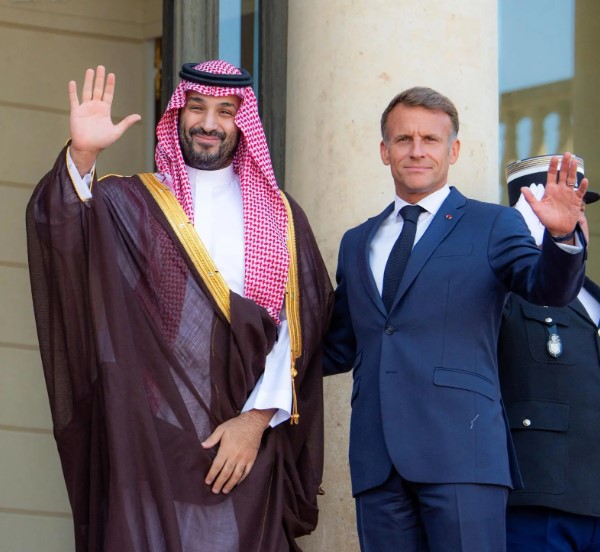
Driving the News: French President Emmanuel Macron said that Paris is cooperating with Riyadh and Cairo to facilitate the delivery of more gas and refined products to France in preparation for winter.
The Big Picture: France seeks to secure short- and long-term energy supplies amid rising oil prices. This endeavor has involved cooperation with energy-producing countries, such as Saudi Arabia, Iraq, Qatar, and Nigeria, as well as partners in the Eastern Mediterranean, including Egypt.
The Context: The recent regional conflict has put additional pressure on global energy markets, with Iran effectively closing the Strait of Hormuz and its Houthi proxy militia threatening shipping in the Bab al-Mandab Strait, disrupting energy flows and driving prices higher.
Saudi Arabia: The Global Energy Anchor
State of Play: With the Strait of Hormuz – through which around a fifth of daily global oil and LNG supplies pass –turning into a key flashpoint, Saudi Arabia has actively mitigated shipping disruptions by enhancing maritime connectivity and supporting supply chain resilience through the Red Sea, providing a lifeline for global markets.
The Kingdom has leveraged a robust logistics network:
East-West Pipeline
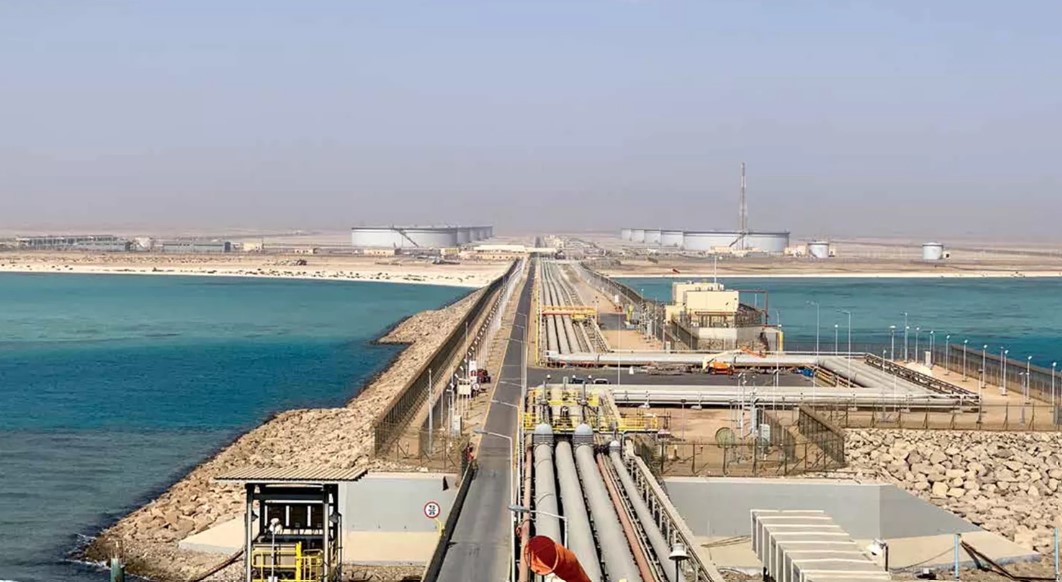
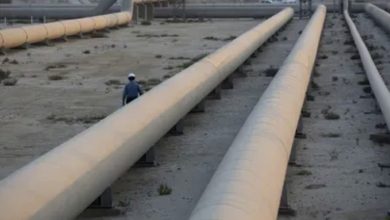
The East-West Crude Oil Pipeline, also known as Petroline, is a 1,200-km-long pipeline that runs from the Abqaiq oilfield in the Eastern Province to Yanbu along the Red Sea coast.
The Kingdom leveraged the East-West Pipeline to maximum capacity (7 million barrels per day) in the first quarter of 2026, driving a surge in Aramco’s net income, which reached $67.2 billion in H1 2026.
Saudi Landbridge Project
The Saudi Landbridge project is a 1,500-kilometer railway network designed to connect the Jeddah Islamic Port on the Red Sea to the ports of Dammam and Jubail on the Arabian Gulf, passing through Riyadh. With an estimated cost of $7 billion, the project’s cargo transit time across the Arabian Peninsula is 5 days by sea and 3 days by rail.
Logistics Corridors Initiative
In response to the Hormuz blockade, Saudi Arabia launched the “Logistics Corridors Initiative” to reroute shipping from ports in the Eastern Region and across the Arabian Gulf toward Jeddah Islamic Port and other Red Sea facilities to maintain the continued flow of trade.
Multimodal Land Bridge
The Kingdom also launched a new multimodal land bridge connecting Europe, Egypt, Saudi Arabia, Iraq and the Gulf Cooperation Council (GCC) countries through the Port of NEOM.
Maritime Services
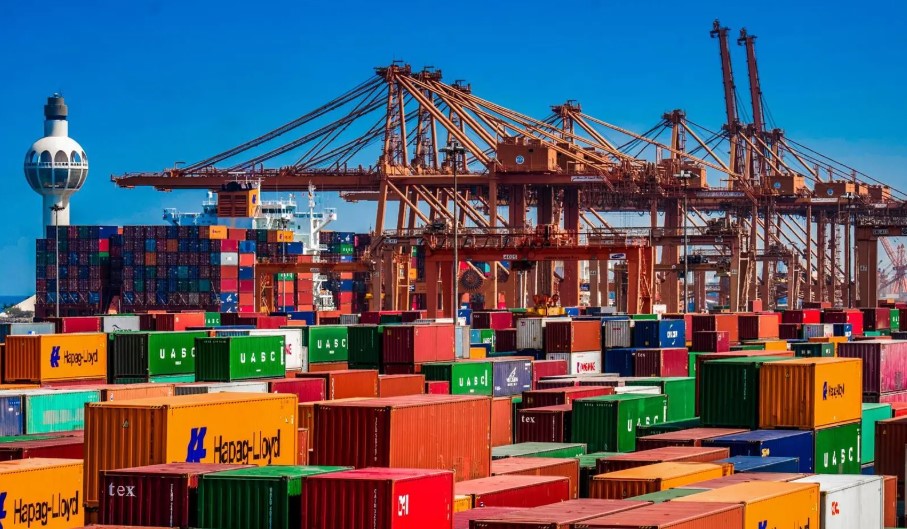
To maintain global supply chain resilience and boost maritime connectivity, Saudi Arabia has introduced new maritime services and shipping lines to its Red Sea ports. These include launching over 19 new services at the Jeddah Islamic Port, King Abdulaziz Port in Dammam, King Abdullah Port, and Yanbu Commercial Port.
Egypt: The Strategic Partner
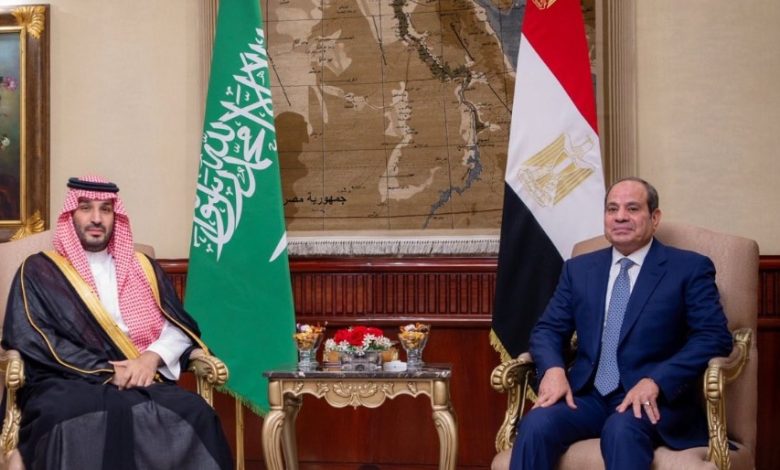
Zoom In: During a high-level meeting in Cairo, Saudi Arabia’s Crown Prince Mohammed bin Salman and Egypt’s President Abdel Fattah Al-Sisi underscored their aligned position on ensuring freedom of navigation and maritime security in the Straits of Hormuz, Bab al-Mandab, and the Red Sea.
Between the Lines: Strategically located on the Mediterranean, Egypt has emerged as a critical hub for storing and transporting Saudi energy shipments to Europe through the Suez Canal. Riyadh and Cairo have consistently advocated for uninterrupted trade flows of international oil, gas, container shipping, and commercial transit in the Straits of Hormuz and Bab al-Mandab, in accordance with international law and UNCLOS.
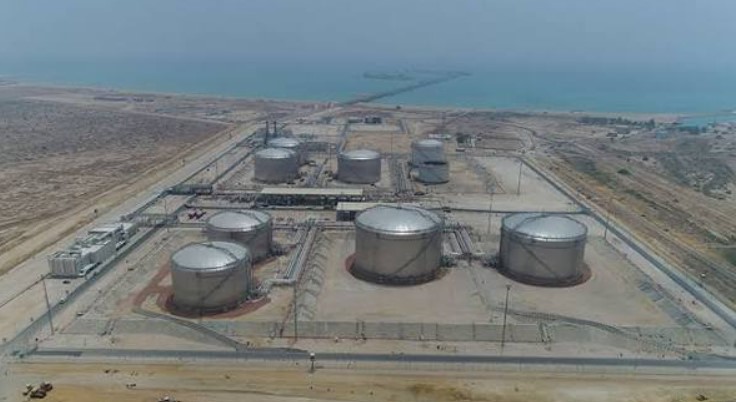
What to Watch: Hedging against potential disruptions, Saudi Arabia has established strategic storage hubs in Egypt, including in the SUMED pipeline on the Red Sea and Sidi Kerir on the Mediterranean. According to Kpler’s estimates, cited by the Wall Street Journal (WSJ), Saudi deliveries to Ain Sokhna averaged around 770,000 barrels per day between March and June and approached one million barrels per day in April.
The Takeaway: These strategic crude reserves in Egypt serve as a critical safety valve that cushions energy markets against supply disruptions, underscoring how the Saudi-Egyptian axis directly protects European and global consumers.
East-West Pipeline in the Crosshairs
The Deep Dive: Drone attacks launched by Iranian-backed militias based in Iraq targeted the East-West Pipeline in Riyadh and Madinah regions on September 10, 2026, resulting in injuries and some damage and prompting the Kingdom to shut down the pipeline as a precautionary measure.
What’s Next: Saudi Aramco has handled the situation, actively working to restore nearly half the pipeline’s capacity within days, with full restoration targeted in approximately six weeks, according to recent reports by Bloomberg, Reuters, and the Associated Press (AP).
Furthermore, Bloomberg reported that the Kingdom is leveraging alternative routes to transport oil outside the Strait of Hormuz, including ship-to-ship transfers off Oman‘s SOHAR Port, to maintain continuous flow and market stability.
The Bottom Line: Saudi Arabia’s high resilience, alongside its strategic alignment with Egypt, has positioned Riyadh and Cairo as the cornerstones for maintaining energy stability across the Middle East and Europe.