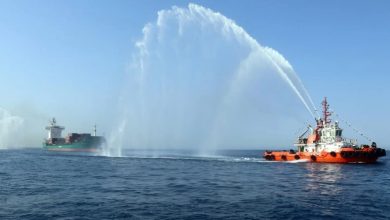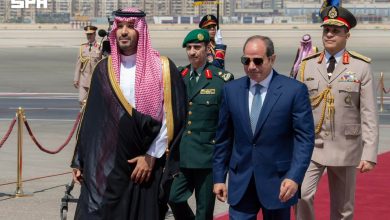
From Jeddah to Brussels, a consensus is building over the need to unify efforts to stand up to the growing threats in the Red Sea. More than 40 nations have joined forces to safeguard freedom of navigation and protect maritime corridors amid the ongoing Houthi escalation near the Bab al-Mandab Strait.
International action is shifting from diplomatic strategy to active military deployment, with the Saudi-led maritime coalition moving toward execution and the EU naval mission raising its readiness.
Saudi-led Coalition: From Planning to Deployment
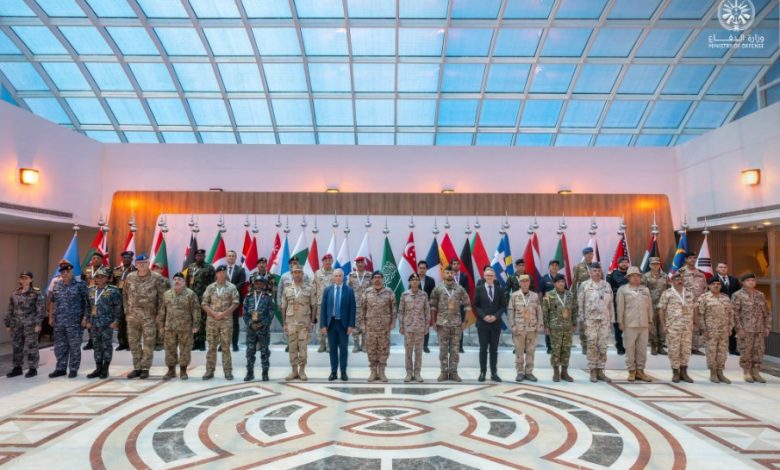
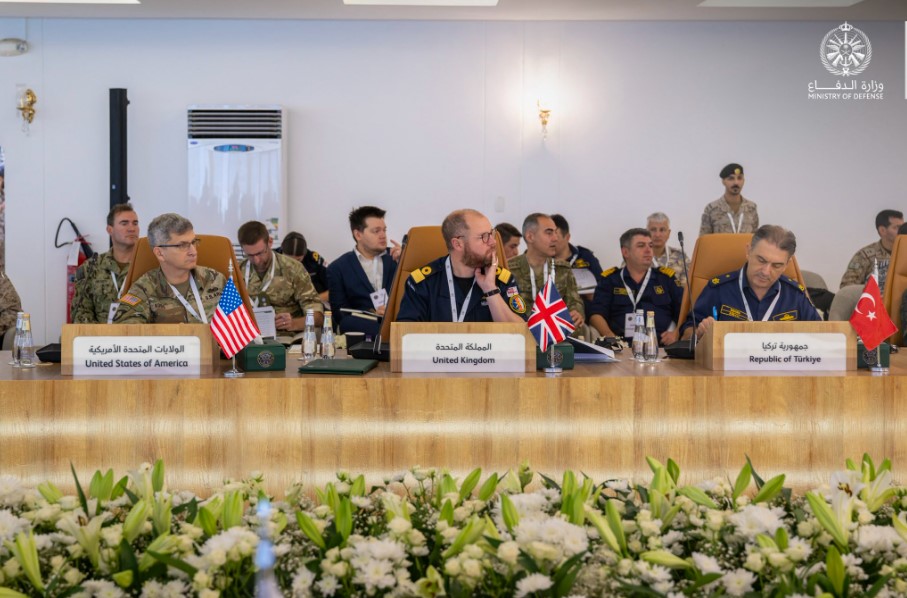
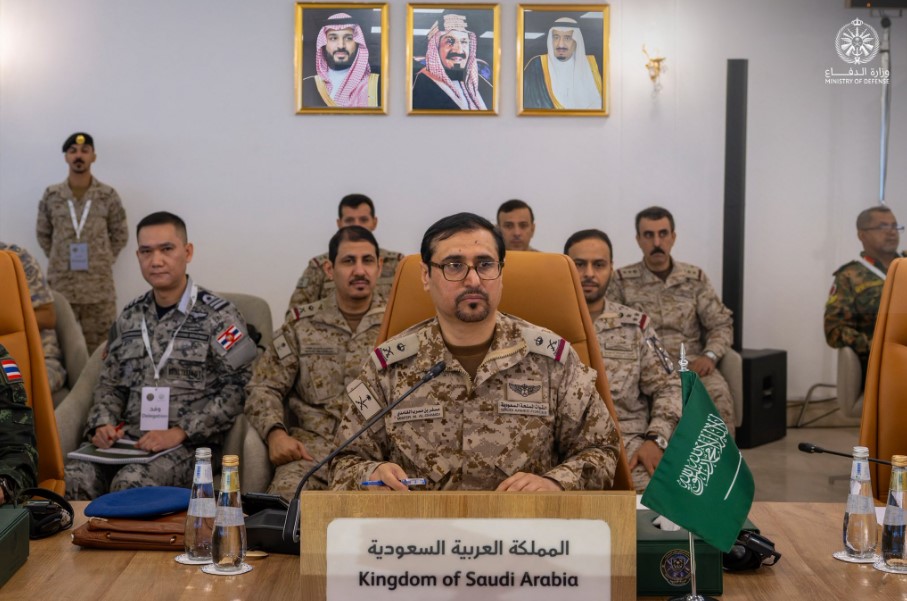
Driving the News: The fourth planning meeting of the Multinational Maritime Defense Coalition took place in Jeddah on Thursday, September 17, 2026, at the Western Fleet Command, signaling the transition into active deployment.
By the Numbers:
- 41 allied and partner nations attended the Jeddah meeting.
- 154 naval commanders, operational planners, ambassadors, and EU representatives.
- 28 liaison officers assigned.

The Big Picture: According to the Saudi Defense Ministry, the coalition has moved into active deployment after achieving Initial Operational Capability (IOC). Discussions focused on aligning defense capabilities, establishing operational standards, and preparing forces for coordinated regional missions.
The delegations also reviewed operational progress, formal charter accessions, and country capability commitments, with 28 liaison officers currently deployed to streamline multinational operations under one command.
Protecting the Red Sea
Flashback: Saudi Arabia launched the Multinational Maritime Defense Coalition in late July 2026, with 14 founding members, to address and deter the growing threats to maritime security, including attacks against commercial vessels, energy tankers, and naval infrastructure in the Bab al-Mandab Strait, the Red Sea, and the Gulf of Aden.
The coalition later expanded with a total of 15 countries signing the joint statement, alongside 13 completing formal national accession procedures and signing the coalition charter. Rear Admiral Abdullah bin Salem Alshehri was appointed as the coalition’s Commander.
What to Watch: In its fourth meeting, the Multinational Maritime Defense Coalition reiterated its core mission of protecting international navigation, maritime corridors, and strategic straits in compliance with international law. This includes leveraging integrated capabilities, real-time intelligence sharing, and coordinated efforts to counter threats to maritime corridors in its area of responsibility.
EU Ready for Action
State of Play: The European Union (EU) said it has raised the alert level of its naval mission in the Red Sea to enhance security in the critical maritime route amid the escalating Houthi threats.
The Backstory: The EU launched the EUNAVFOR ASPIDES naval operation in 2024 in response to Houthi attacks against commercial shipping in the Red Sea, Gulf of Aden, and the Indian Ocean. The mission is currently escorting commercial shipping in the Red Sea.
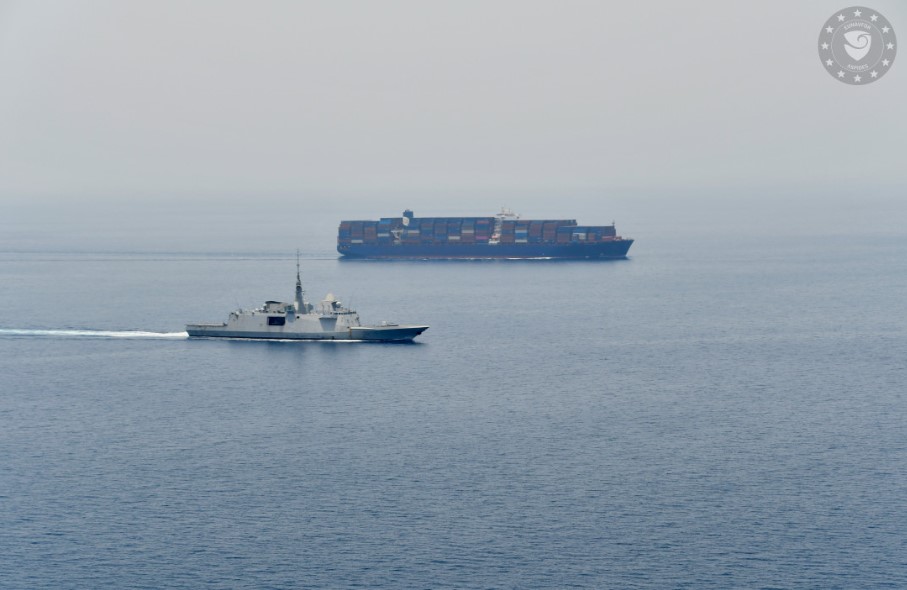
Looking Ahead: The EU Foreign Policy Chief, Kaja Kallas, said that the bloc will reinforce coordination with the Saudi-led Multinational Maritime Coalition.
What She Said: “Europe is helping protect shipping in the Red Sea from Houthi attacks. Given the worsening security situation, EU Operation ASPIDES has raised the alert level of its vessels as it continues its escort duties.” – Kaja Kallas, EU Foreign Policy Chief.
Global Trade Route Endangered
Between the Lines: In recent weeks, the Iranian-backed Houthi militia has escalated threats around the Bab al-Mandab Strait, seizing sites along Yemen’s western coast and threatening commercial shipping in the critical trade route.
Why It Matters: The Bab al-Mandab Strait connects the Red Sea and Gulf of Aden, acting as a direct artery for maritime trade between Europe and Asia. It handles roughly 10% to 15% of all global trade annually.
Since the closure of the Strait of Hormuz, the Bab al-Mandab has emerged as a key alternative route for trade and energy flows, linking the Gulf countries to Europe (via the Suez Canal) and to Asia through Saudi ports.
The Pivot: Italy stated it will deploy additional warships to ensure the safe passage of commercial vessels through the Bab al-Mandab Strait, saying it will not wait for a joint decision from the EU. Italian Defense Minister Guido Crosetto warned of the economic consequences of blocking the critical maritime chokepoint, urging other European nations to deploy additional naval assets.
The Bottom Line: Red Sea security is no longer a regional issue; it has evolved into a global concern requiring collective action. By uniting over 40 nations under a joint command in Jeddah alongside heightened EU operational readiness, Saudi Arabia and its international partners are sending a clear message: any attempt to undermine freedom of navigation in the Bab al-Mandab will be met with firm maritime defense.