European Parliament Moves Forward with AI Regulations
Objectives of New AI Framework
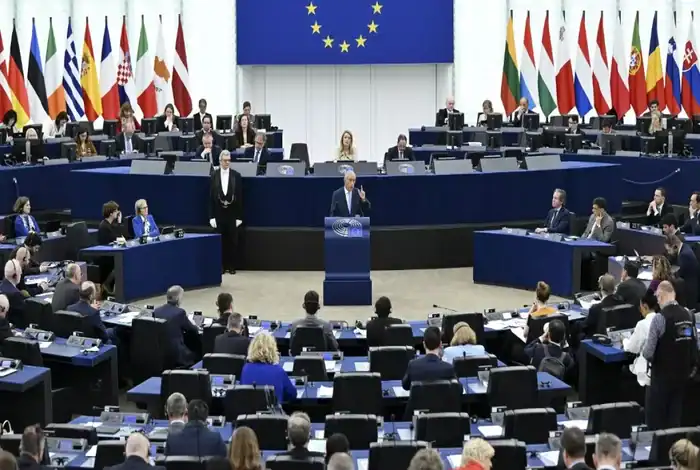
In a significant development, members of two key European Parliament committees have given their nod to a groundbreaking agreement on AI regulations.
This pivotal moment comes as the legislative council prepares for a vote in April. It marks a crucial step toward introducing the first-ever global legislation targeting this burgeoning technology sector.
Objectives of New AI Framework
The proposed AI Act is designed with a clear purpose. It seeks to implement protective measures for technologies employed across a myriad of sectors. These include, but are not limited to, banking, automotive, consumer electronics, and aviation industries. The Act also extends its protective ambit to technologies used in security services and police work.
Focus on Generative AI Models
A particular emphasis of the legislation is on generative AI models. These advanced systems, trained on extensive data pools, boast the capability to assimilate and learn from new information. This ability enables them to undertake a variety of tasks, thus showcasing the potential and flexibility of AI technologies.
European Union’s Stance and Tech Industry’s Reaction
The initiative garnered support from EU member states earlier in the month, following France’s successful negotiations. These negotiations aimed at reducing the regulatory burden on high-risk AI applications and ensuring better safeguarding of proprietary information. Despite these advancements, the response from leading technology companies has been one of caution.
There is a prevailing concern over the ambiguity in the wording of certain legislative requirements. Additionally, there is apprehension about how these new regulations might influence the pace and nature of innovation within the tech sector.
This legislative move by the European Parliament represents a delicate balance between fostering technological advancement and ensuring societal and ethical safeguards. As the world watches, the outcome of this legislation could set a precedent for how emerging technologies are governed globally.
Related Topics :
SDAIA Announces 36% Reduction in Pollution in Riyadh
Our AI-Enabled Future Depends on Humans
Fahd Al-Otaishan Discusses Saudi Exports’ Strategy to Develop Service Sector