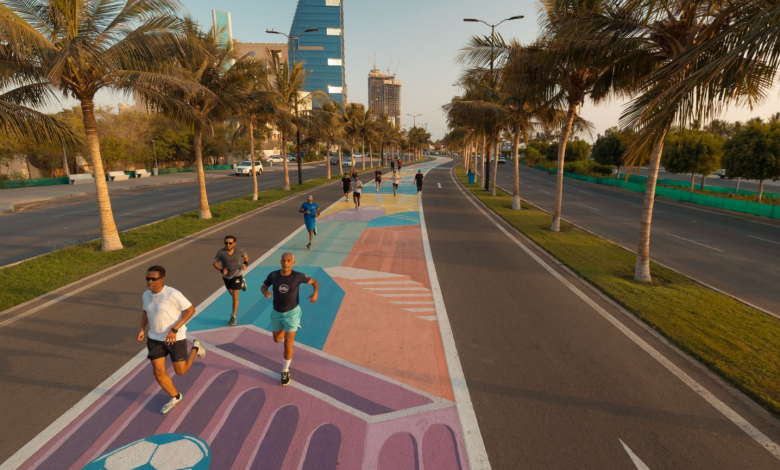
Saudi Arabia has achieved a remarkable milestone in urban wellness, with the World Health Organization (WHO) recognizing 21 Healthy Cities across the Kingdom.
This success further advances the objectives of Saudi Vision 2030 to create a vibrant society and boosts quality of life, setting a new model of healthy, livable, community-first urban planning.
Regional Leadership
The Big Picture: Saudi Arabia has boosted the number of WHO-accredited Healthy Cities to 21, setting a new benchmark for Eastern Mediterranean and North African countries, reported the Saudi Press Agency (SPA).
Catch Up Quick: A Healthy City is one that seeks to improve the lifestyle of its residents by providing a clean environment, integrated health services, and effective community participation, in line with WHO standards.
21 مدينة صحية بمعايير عالمية في السعودية، تجمعها صحة المكان وجودة الحياة. pic.twitter.com/fVGGftthmK
— وزارة الصحة السعودية (@SaudiMOH) August 30, 2026
Why It Matters: The new milestone aligns with the Kingdom’s efforts to develop sustainable cities that prioritize human health and wellbeing, driving the objectives of the Quality of Life and Health Sector Transformation programs.
Key Drivers:
- Community empowerment
- Health services enhancement
- High emergency preparedness
- Urban environment development
Healthy Cities Program
State of Play: Launched by the Saudi Ministry of Health, the Healthy Cities Program is an initiative that aims to promote resident physical and mental wellbeing through an integrated approach that includes planning, education, the environments, and various aspects of daily life.
Zoom In: A Healthy City receives WHO accreditation after meeting 80 criteria across 9 key areas.
WHO Accreditation Key Domains:
- Community empowerment for health and development
- Intersectoral partnerships
- Community information centers
- Skill development and capacity building
- Health services
- Urban environment
- Emergency preparedness and response
- Education
- Support for small projects
Saudi Leadership
Between the Lines: Through the extensive efforts of the Ministry of Health and relevant government entities, several Saudi cities secured the WHO Healthy City accreditation. This achievement is the result of several factors including:
- Leadership support and concern for citizens’ health and quality of life.
- Effective coordination among the Ministry of Health, municipalities, educational institutions, and environmental authorities.
- Implementation of WHO global standards in public health, cleanliness, environment, and community awareness.
- Broad community participation to promote healthy behaviors and improve the local environment.
Saudi Healthy Cities:
- Abha
- Muhayil Aseer
- Tarib
- King Khalid University City
- Diriyah
- Jalajil
- Ghat
- Zulfi
- Al-Jamoum
- Jeddah
- Taif
- Madinah
- Al-Khobar
- Tabuk
- Al-Aridah
- Sharurah
- Al-Mundiqi
- Princess Nourah University
- Unaizah
- Riyadh Al-Khabra
Go Deeper: The Healthy Cities Program serves as first WHO Collaborating Center in the Eastern Mediterranean Region and the fourth globally. This center drives regional capacity-building, supports urban health assessments in other countries, and promotes sustainable, health-centric urban planning.
Jeddah & Madinah: Two Mega Healthy Cities
The Deep Dive: Jeddah and Madinah have been recognized as the first Mega Healthy Cities in the Eastern Mediterranean region, setting a new global benchmark for implementing WHO standards in large metropolitan areas and demonstrating the feasibility of comprehensive, health-promoting development at scale.
Madinah: Human-Centric Urban Design
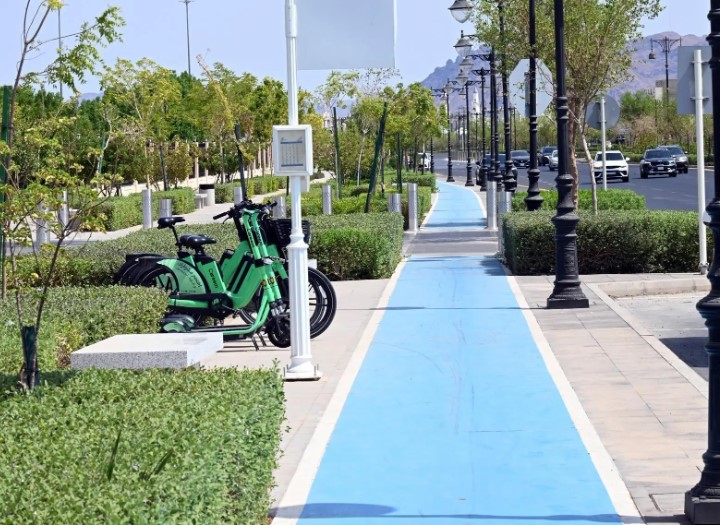
Madinah’s designation highlights its successful integration of cultural and religious heritage with modern, sustainable urban planning:
- Humanizing Cities Initiative: Focused heavily on human-centric architecture that prioritizes pedestrian safety, ease of movement, and reduced car dependency.
- Enhanced Accessibility: Upgraded walkways and infrastructure surrounding the Prophet’s Mosque district to cultivate a calm, accessible, and clean environment for residents and millions of visitors alike.
- Multi-Sector Collaboration: Strong partnerships with academic institutions like Taibah University to drive data-backed public health strategies and community volunteer programs.
Jeddah: Coastal Vibrancy and Active Lifestyles
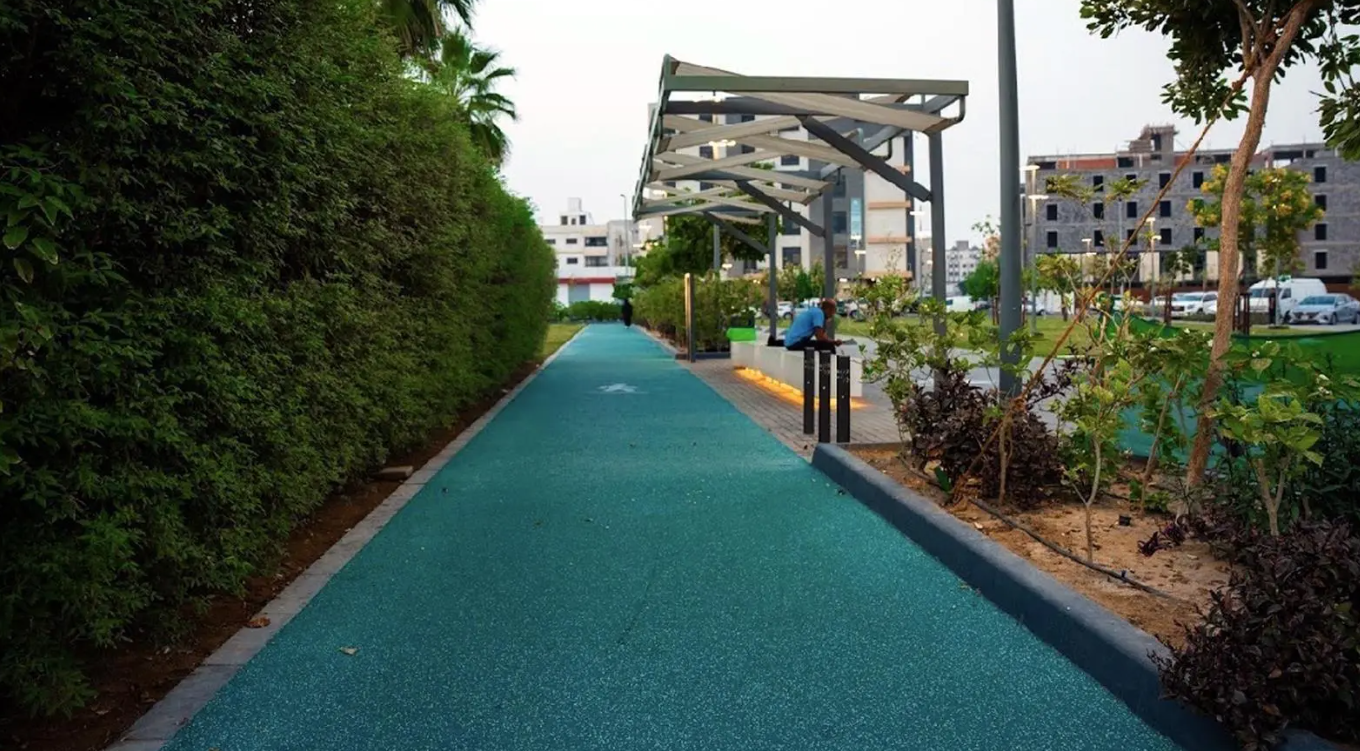
Stretching along the Red Sea coast, Jeddah’s designation as a Mega Healthy City centers on active living and environmental modernization:
- Promoting Active Lifestyles: Expanded public green spaces, waterfront development projects, and recreational zones designed to encourage outdoor physical activity and lower sedentary habits.
- Advanced Public Health Access: Modernized healthcare networks and localized community health centers that bring preventative care directly to neighborhoods.
- Sustainable Infrastructure: Integrated waste management systems and continuous air quality monitoring programs implemented to secure a cleaner, resilient urban ecosystem.
Vision 2030: Health in All Policies
The Strategy: Saudi Arabia adopts a Health in All Policies (HiAp) approach which involves a multi-sectoral collaboration among various government entities to incorporate health considerations into policy development and decision-making. It aims to improve community health, prevent diseases, and enhance quality of life through joint efforts across all sectors, such as education, employment, housing, food, the environment, and transportation.
The Impact: This approach supports the broader objectives of Saudi Vision 2030 by reducing long-term healthcare burdens, encouraging sustainable urban planning, and improving overall population quality of life.
Reality Check: Under Saudi Vision 2030, the Kingdom’s medical landscape has transformed into a comprehensive, efficient, and prevention-focused ecosystem, thanks to the Health Sector Transformation Program. Key achievements include reducing emergency wait times, scaling up digital health tools such as the Sehaty app, and launching the innovative SEHA Virtual Hospital to expand specialized care access across the Kingdom.
The Bottom Line: The prestigious Healthy Cities recognition is a direct reflection of Saudi Vision 2030’s “Vibrant Society” pillar. By blending cutting-edge urban planning, environmental stewardship, and community-driven health initiatives, Saudi cities prove that rapid metropolitan growth and exceptional personal wellbeing can go hand in hand.