
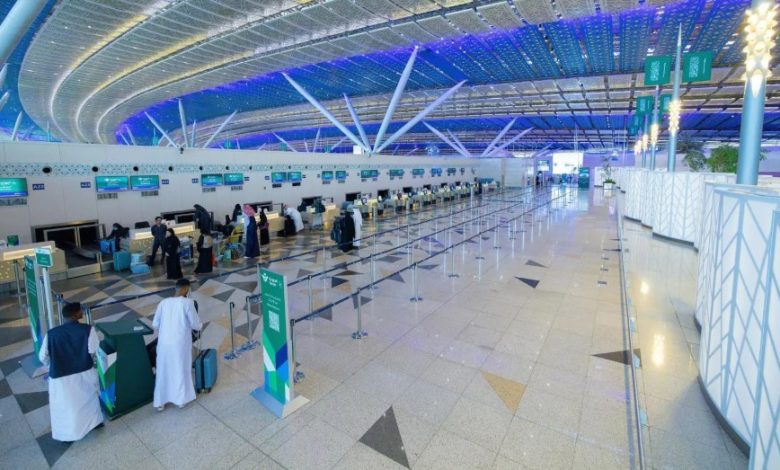
Terminal 1 at King Abdulaziz International Airport (KAIA) has achieved a new milestone, advancing Jeddah Airports Company’s efforts towards establishing itself as a world-class model for aviation sustainability.
With a new LEED Gold Certification, KAIA is positioning itself as a green gateway to Saudi Arabia, supporting the National Aviation Strategy and the objectives of Vision 2030.
KAIA Green Milestone
Driving the News: KAIA’s Terminal 1 received Leadership in Energy and Environmental Design (LEED) Gold Certification from the US Green Building Council, reported the Saudi Press Agency (SPA).
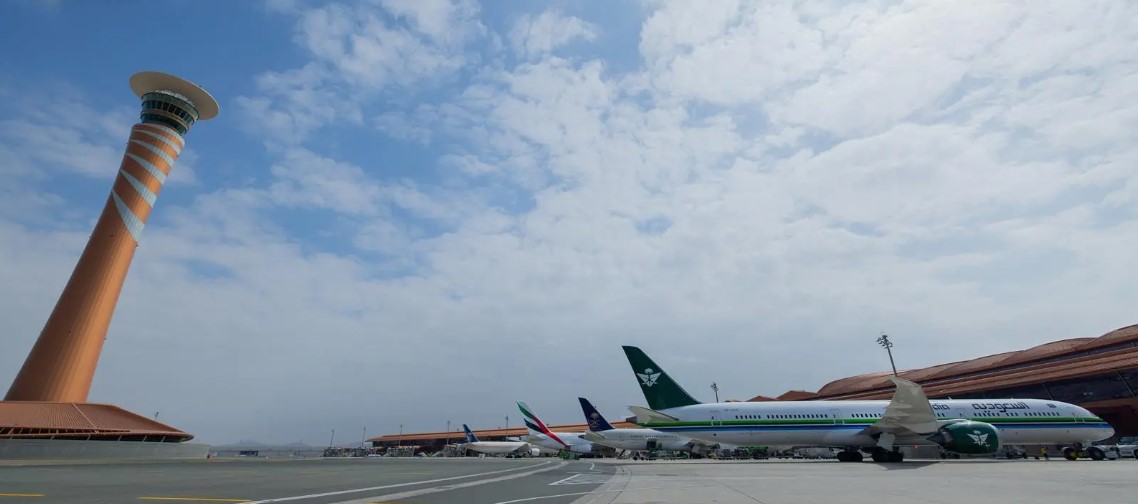
The Big Picture: With a total area spanning 810,000 square meters, Terminal 1 stands as the largest single building in Saudi Arabia to earn LEED Gold Certification – a green building rating system measuring energy efficiency, water conservation, indoor environmental quality, and smart resource management.
Why It Matters: The LEED Gold status underscores Jeddah Airports Company’s commitment to the highest sustainability standards in the design and operations of its facilities.
Environmental Commitment
How It Works: As KAIA‘s operator, Jeddah Airports Company has developed an Environmental Management System and is actively monitoring energy consumption through advanced instruments and technologies, including:
- Deploying Solar Power: Installing 340 solar panels generating 150 kilowatts of clean energy to power environmentally friendly facilities.
- Procuring Carbon Credits: Purchasing high-quality carbon credits and renewable energy certificates.
- Smart Lighting: Utilizing energy-efficient lighting systems, reducing overall energy consumption by up to 70%.
Zoom In: KAIA Aquarium – the world’s largest airport aquarium hosting nearly 2,000 marine organisms representing 65 prominent species native to the Red Sea – has earned a Marine Life Exhibition Center License from the National Center for Wildlife, becoming the first marine life expo center in Saudi Arabia.
This milestone highlights Jeddah Airports’ commitment to operational excellence, environmental sustainability, and regulatory compliance. Beyond safeguarding marine life and preserving biodiversity, this achievement enriches the passenger journey by integrating world-class educational experiences into the airport ecosystem.
The Kingdom’s Gateway
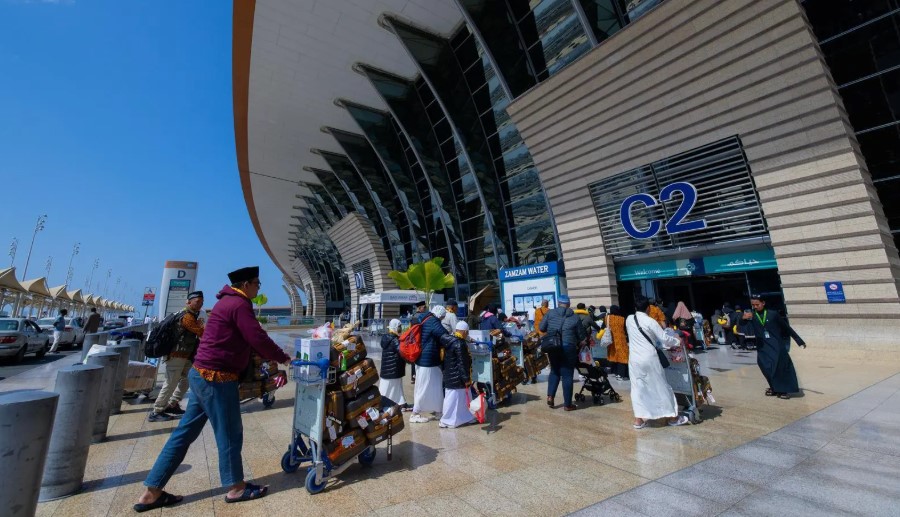
State of Play: KAIA receives millions of passengers annually, mainly Hajj and Umrah pilgrims, acting as the primary gateway to Saudi Arabia.
By the Numbers:
- 4 million: Passengers received in 2025.
- 5 million: Passengers received in the first half of 2026.
- 3rd: KAIA’s global ranking among airports serving between 50 and 60 million passengers annually, as per Skytrax 2026 World Airport Awards.
- 5th: KAIA’s ranking in the “World’s Most Improved Airports” category.
- 27th: KAIA’s position in the overall list of the world’s top 100 airports.
KAIA also secured three major international accolades at the 2026 Airports Council International (ACI) Asia-Pacific and Middle East Regional Assembly, Conference and Exhibition:
- Carbon Accreditation (ACA Level 4 – Transformation): Certified for its structured roadmap toward net-zero emissions, advanced carbon reduction practices, and alignment with Saudi Vision 2030 sustainability goals.
- Green Airports Recognition 2026 (Climate Change Adaptation): Awarded for pioneering nature-based solutions, afforestation, and water efficiency initiatives designed to combat desert climate challenges.
- ACI Safety Recognition Award 2026 (Silver): Recognized for runway safety management and operational innovation – making KAIA the first airport in the Middle East to receive this honor.
Sustainability under Vision 2030
The Context: Under Vision 2030, Saudi Arabia aims to handle 330 million passengers annually across 250 destinations. As the primary entry point for international tourists, business executives, and millions of Hajj and Umrah pilgrims arriving in Makkah, KAIA’s commitment to green building and sustainability highlights Saudi Arabia’s environmental responsibility.
The Impact: The LEED Gold Certification also supports the National Aviation Strategy, providing a blueprint for how mega-hubs can scale up capacity while simultaneously shrinking their environmental footprint. Moreover, it advances the objectives of the Saudi Green Initiative (SGI), which targets a 30% emissions reduction by 2030 and overall Net-Zero by 2060.