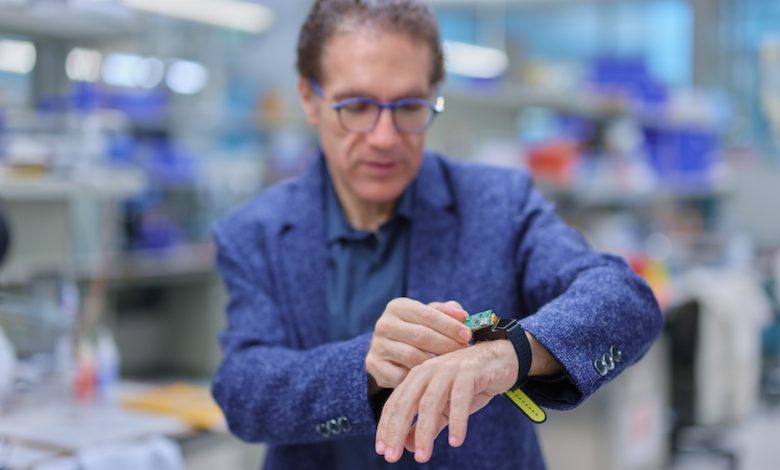
Scientists at King Abdullah University of Science and Technology (KAUST) developed a revolutionary, lightweight wearable patch. This smart device measures drug levels under the skin continuously, with the system transmitting real-time data wirelessly to a smartphone.
Why it matters: Standard medicine monitoring requires periodic blood draws and complex laboratory analysis. However, these traditional tests only provide a single snapshot of drug concentration. Consequently, healthcare providers miss critical fluctuations. This new KAUST platform offers a more comprehensive, accurate picture of how a body processes medication over time. This approach reduces patient discomfort significantly while preventing dangerous dosage errors in clinical environments.
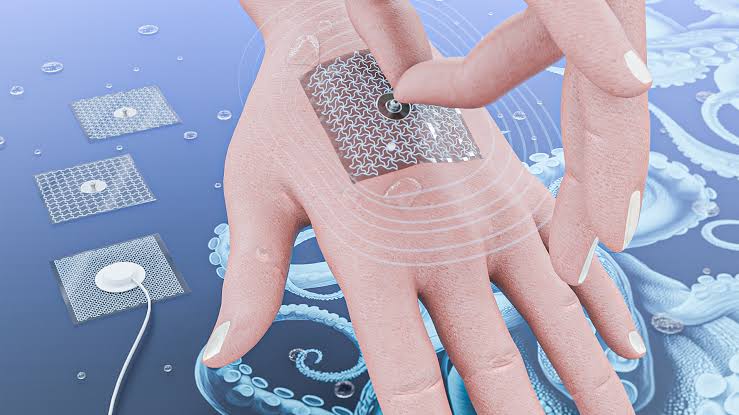
How it works: The integration of biocompatible microneedles allows the device to sample interstitial fluid just beneath the skin safely.
- The entire integrated setup weighs a mere 6.7 grams.
- It combines microneedle sensing, electrochemical biosensors, and miniature electronics into one sleek system.
- Additionally, built-in Bluetooth technology sends live readings directly to a mobile application interface.
The team published this breakthrough in the prestigious scientific journal Device. This system marks a major evolution from standard trackers. Traditional wearables monitor physical signs like heart rate. Contrastingly, this platform tracks actual chemical changes within human tissue, representing a significant medical milestone for healthcare.
Testing the Breakthrough
Researchers validated the platform using vancomycin, a powerful antibiotic that fights severe bacterial infections. Doctors must maintain vancomycin within a very narrow therapeutic window to ensure patient safety. Therefore, this drug represents an ideal model for testing continuous monitoring technologies.
Preclinical trials demonstrated that the patch successfully tracked medication changes over several hours. Thus, the team proved the viability of minimally invasive, continuous therapeutic monitoring.
“Wearable technologies changed how individuals monitor many aspects of their health, from physical activity to heart rate and sleep,” said Professor Khaled Nabil Salama, the lead researcher. “This research explores whether future wearable devices can also help us understand drug behavior inside the body. Although the technology remains in its early stages, it offers a new approach to monitor treatments continuously instead of relying on sporadic measurements.”
Looking Ahead
Since opening in 2009 on the shores of the Red Sea in Thuwal, Saudi Arabia, KAUST consistently drives global scientific advancements through cutting-edge collaborative research and state-of-the-art laboratory facilities. This study demonstrates the potential to build wearable systems providing continuous data on internal drug levels.
However, the technology requires further development and clinical validation before entering healthcare facilities. Researchers envision adapting the sensing technology to monitor other medications requiring precise dosage adjustments. Ultimately, this supports developing highly personalized treatments tailored to individual patient needs.
Future research will focus on extending monitoring duration. Finally, the research team will actively improve long-term device stability and rigorously test it across broader medical applications to benefit global healthcare systems.