The US has formally initiated the process of removing Syria from the State Sponsor of Terrorism (SST) list in a major diplomatic and economic win for Damascus.
The foundations of this historic announcement were built in Saudi Arabia, which has been a strong advocate for Syria’s return to the Arab fold. Riyadh has been a pivotal player in ending Damascus’ regional and global isolation, supporting its economic recovery and development.
Dropping Terror Designation
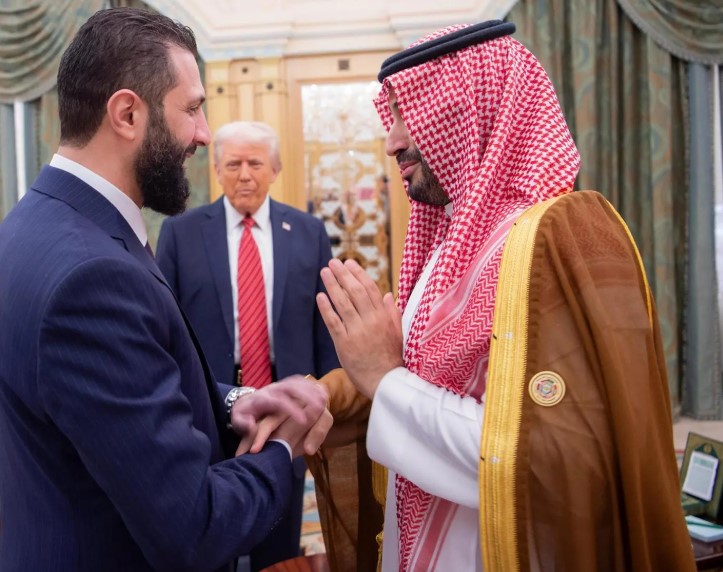
During a meeting with Syrian President Ahmed Al-Sharaa on the sidelines of the NATO Summit in Ankara on Wednesday, US President Donald Trump announced that Washington would revoke Syria’s designation as a State Sponsor of Terrorism. Trump added that he had informed Congress of his decision, following a 45-day pre-notification period.
The Big Picture: Syria has been on the SST list since 1979. This designation imposes restrictions on US foreign assistance, defense exports and certain financial transactions, imposing severe compliance risks on international banks and financial institutions seeking to do business in the country.
What He’s Saying: “I promised to remove all barriers stopping you from rebuilding your country, and very soon, you will finally be able to do so,” Trump said in a letter handed to Al-Sharaa, according to Reuters.
“We have US companies ready to invest in Syria and help make your country greater and more prosperous than ever before,” Trump added.
Saudi Arabia: The Diplomatic Bridge
The Kingdom has been a steadfast supporter of Syria‘s security, stability and territorial integrity. Riyadh has spearheaded efforts to re-engage Damascus and end Syria’s regional and global isolation after the fall of Bashar Al-Assad’s regime in December 2024.
Backstory: The Riyadh Meetings on Syria, held in January 2025 in the Saudi capital, brought together Arab and western diplomats to coordinate efforts to support the Syrian people, lift sanctions and rebuild Syria as a unified and independent Arab State that is secure for all its citizens.
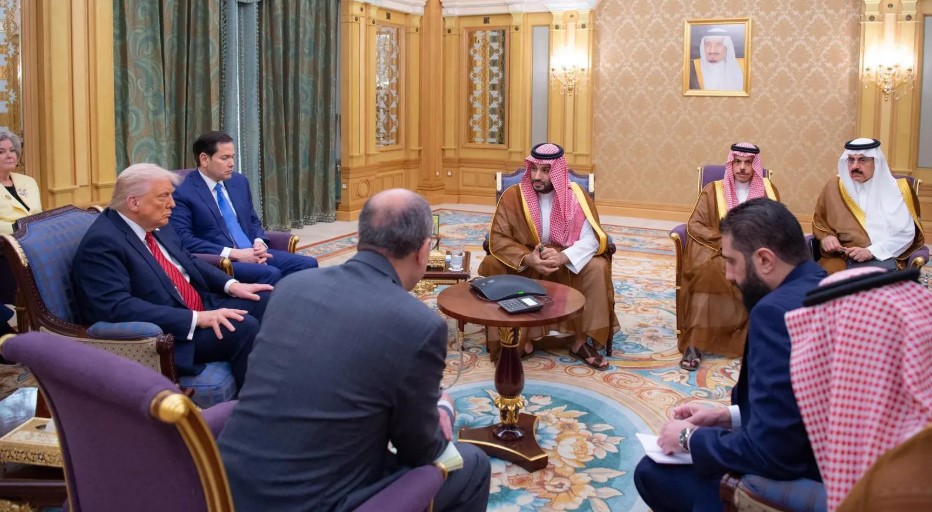
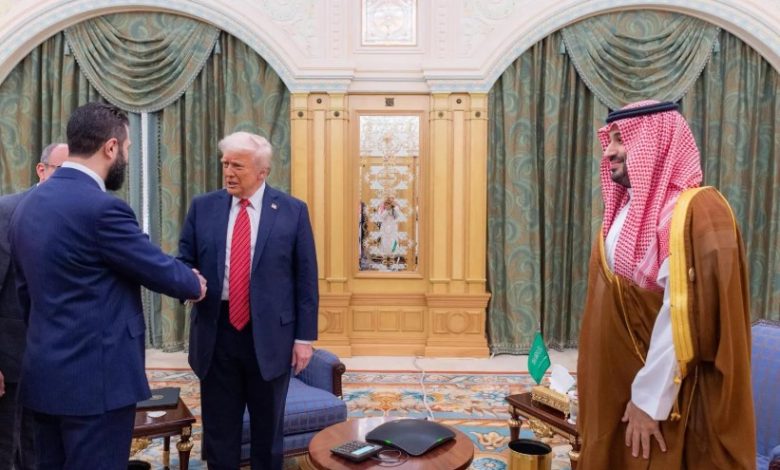
The Context: This was the springboard for a wider push to lift sanctions on Syria, which culminated in a historic announcement by Trump, who used his visit to Riyadh in May 2025 to declare the lifting of all US sanctions on Syria at the request of Saudi Crown Prince Mohammed bin Salman.
The decision was followed by a trilateral meeting between the Saudi Crown Prince, Trump and Al-Sharaa in Riyadh, during which they discussed the future of Syria.
Clearing the Economic Path
Saudi Arabia’s diplomatic support for Syria also materialized as immediate economic aid to back Syria’s economic development and help it in addressing challenges.
State of Play: This led to the inauguration of the Saudi-Syrian Investment Forum in July 2025 in Damascus, during which deals worth SAR 24 billion ($6.4bn) were signed to support Syria’s economic recovery and reconstruction.
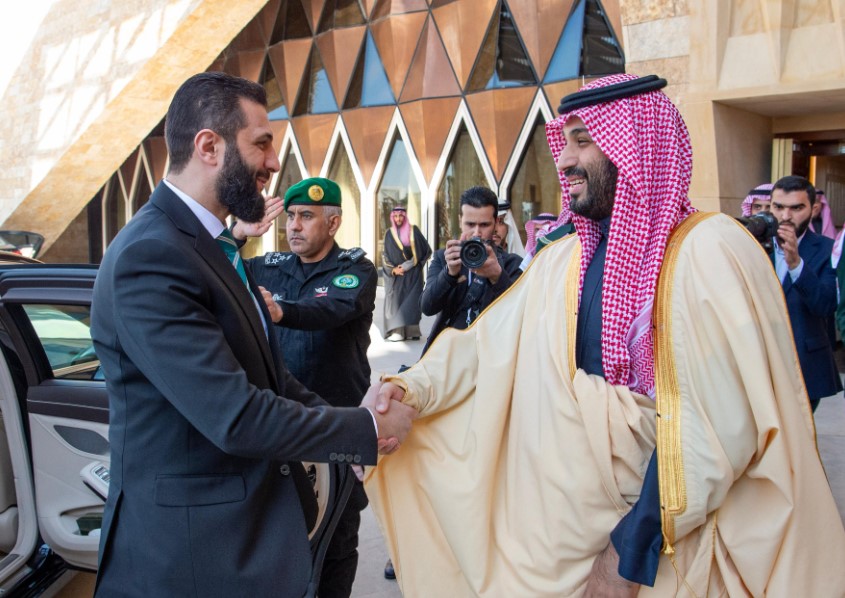
Moreover, Saudi Arabia boosted Syria’s energy sector, providing critical oil grants and technical expertise to restore the Syrian power grid, promote the growth of key sectors and support efforts to achieve sustainable development goals.
The Impact: The removal of sanctions clears the path for major Saudi public and private firms to safely deploy capital and do business in Syria.
Recovery & Reconstruction
Saudi Arabia’s diplomatic heavy lifting has rapidly transitioned into concrete commercial partnerships aimed at rebuilding the country.
During an official visit by the Saudi Investment Minister to Damascus in February 2026, both sides signed a number of agreements to strengthen the Kingdom’s role in Syria’s reconstruction and advance strategic bilateral investments.
The Details:
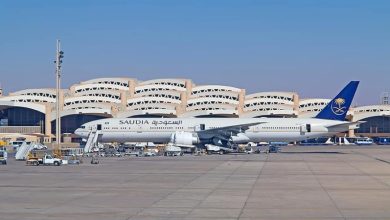
- A SAR 7.5 billion deal ($2 billion) to develop two airports in Aleppo over multiple phases.
- A partnership between flynas and Syria’s Civil Aviation Authority to launch “flynas Syria” in Q4 2026, a joint venture (51% Syrian-owned, 49% flynas-owned) that will operate flights across the Middle East, Africa, and Europe.
- Signing the “Silk Link” digital infrastructure project agreement.
- Signing a major water project sponsored by the Saudi “ACWA” Power company.
- Finalizing an agreement to operate, manage, and develop the Modern Cables Company (MCC) of Syria.
Transport & Logistics
The transport and logistics sector lies at the heart of reviving regional commerce. Recognizing this strategic reality, Riyadh has rapidly scaled up its involvement, actively engaging Damascus to establish a sustainable land transport system and enhance cross-border economic integration.
Between The Lines: In April 2026, the Saudi Minister of Transport and Logistic Services, Saleh al-Jasser, and his Syrian counterpart Yarub Badr discussed ways to strengthen bilateral cooperation in land and rail transport to secure supply chains and boost economic integration among countries in the region.
Al-Jasser also noted that the Saudi railway network extends all the way to the Jordanian border, offering the potential to build an integrated regional link through Jordan and into Syria. He added that specialized technical teams are continuously working to finalize these future rail connectivity blueprints.
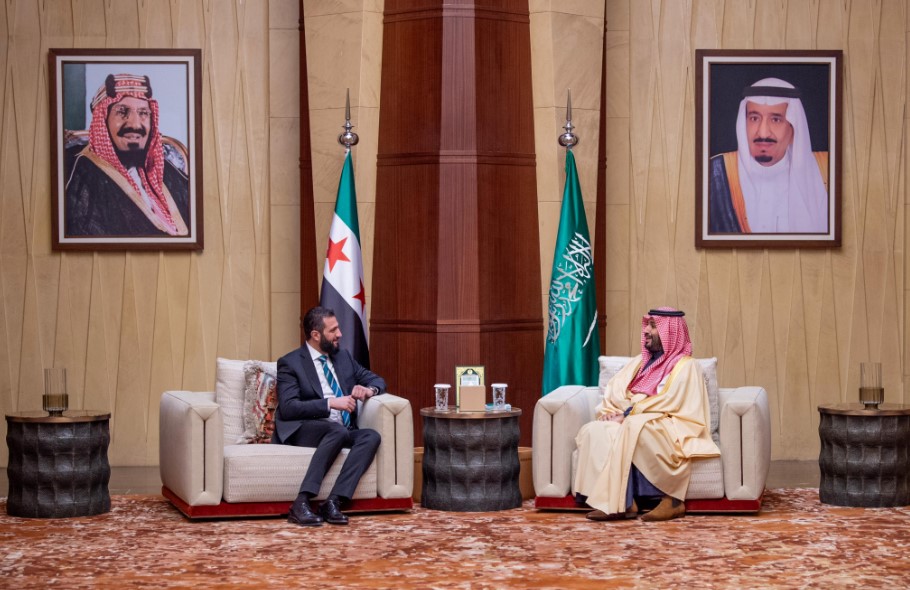
What’s Next: The Kingdom is exploring ways to expand its regional land networks to establish alternative routes to the Strait of Hormuz and other critical maritime corridors.
This includes plans to revive the historic Hejaz Railway – an Ottoman-era line that extended from Damascus to Madinah, transporting pilgrims and troops, but was largely destroyed during World War I.
According to al-Jasser, the project will “enhance regional integration, support trade, and develop a sustainable land transport system between the countries of the region.”
The Bottom Line: Syria provides a vital trade corridor that connects the Gulf to the Mediterranean and to Europe, enabling Saudi Arabia to bypass maritime flashpoints. Meanwhile, Damascus’ participation in a global trade route provides it with sustainable transit revenue, infrastructure development, and a pathway to rebuild its economy.