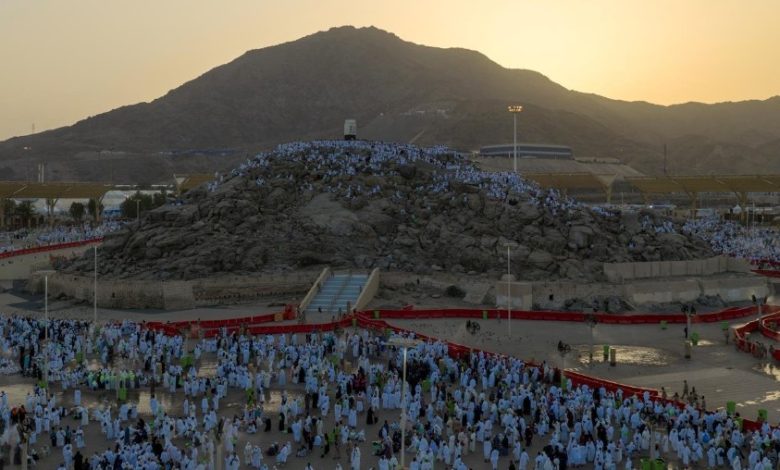
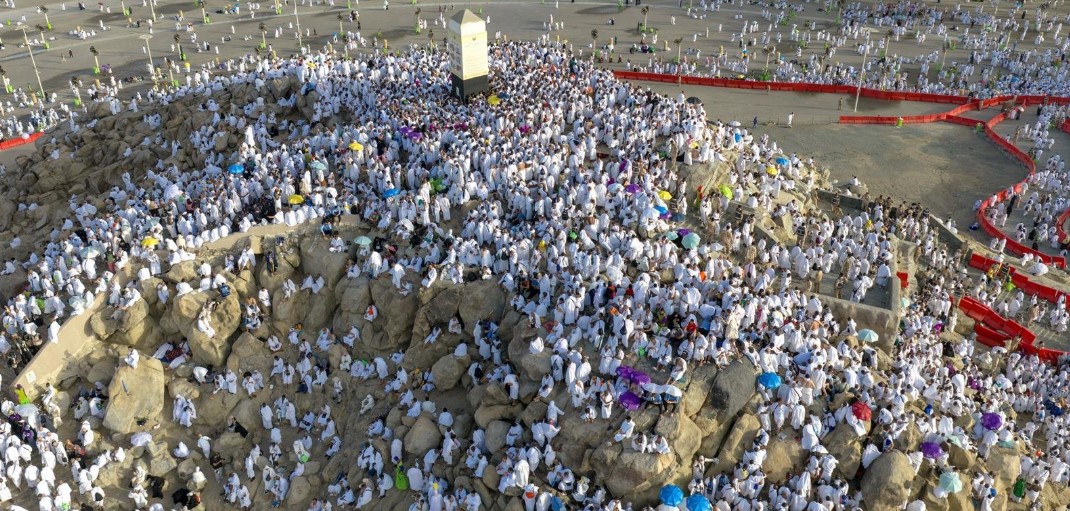
With the dawn of Tuesday, May 26, 2026 (the 9th day of Dhu’al-Hijjah), over 1.6 million Muslims from around the globe flocked to Mount Arafat.
This pivotal gathering marks the Day of Arafat, the climax of the annual Hajj pilgrimage.
As one of the five pillars of Islam, Hajj is a four-to-six-day spiritual journey occurring in the final month of Dhu’al-Hijjah. It is obligatory for every able-bodied Muslim who can afford it at least once in their lifetime.
By retracing the centuries-old rituals performed by Prophet Muhammad (PBUH), these millions of pilgrims dedicate themselves to the Day of Arafat, a profound time of prayer, supplication, and Quran recitation on one of the holiest days in the Islamic calendar.
Day of Arafat: Spiritual Significance
The Day of Arafat falls on the 9th day of Dhu’al-Hijjah, the final month in the Islamic calendar. This sacred day is of paramount spiritual significance to all Muslims. It is the day when Allah perfected the religion of Islam and Prophet Muhammad (PBUH) gave his Farewell Sermon, in which he outlined principles of justice, equality and the sanctity of life and property.
Known as the ultimate day of mercy, the Day of Arafat provides an opportunity for purification from sins and seeking Allah’s blessings. Fasting on this day removes the sins of the previous year and the coming year.
Wuquf at Arafat
Standing at Arafat, also known as Wuquf, marks the pinnacle of the Hajj journey. It falls on the second day of Hajj, after the Day of Tarwiyah in Mina.
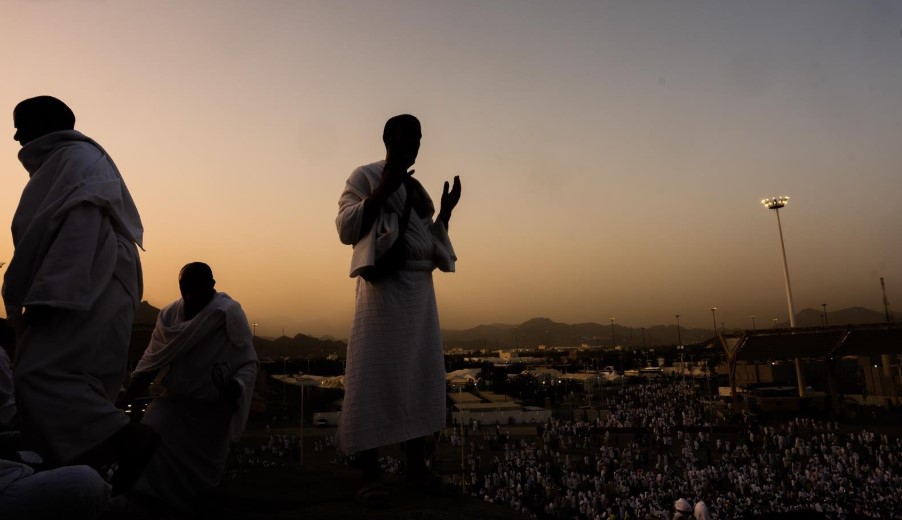
At the sunrise of the day, pilgrims head to Arafat and proceed to Jabal Al Rahma, where they stay until sunset. They devote themselves to prayers, supplication, and the recitation of the Quran and the Talbiyah, seeking forgiveness and mercy from Allah.

Pilgrims also listen to Arafat sermon delivered from Masjid al-Nimra at noon, enlightening pilgrims to the merits of the blessed day. After that, they pray Dhuhr and Asr in shortened form (Qasr).
Sacred Supplications
Stressing the significance of the day, Prophet Muhammad (PBUH) said that “Hajj is Arafah.” He also encouraged Muslims to recite the following supplication (Duaa) on this day: “There is no god worthy of worship but Allah. He is Alone and He has no partner whatsoever. To Him Alone belong all sovereignty and all praise. He is over all things All-Powerful.”
Moreover, it is a Sunnah to recite Tahleel (Laa ilaaha il-lal-laah), Takbeer (Allahu Akbar) and Tahmeed (Alhamdulillaah) on the day of Arafat and on the days of Tashreeq (11th, 12th, and 13th of Dhu’al-Hijjah).
Recommended Acts of Worship
It is recommended to seek forgiveness and mercy from Allah on the Day of Arafat and recite supplications throughout the day. It is also Sunnah to fast on this day if one is not performing Hajj.
ضيوف الرحمن يقفون على جبل الرحمة.#حياكم_الله | #واس_حج47 pic.twitter.com/eNhofHkPn4
— واس العام (@SPAregions) May 26, 2026
Furthermore, Muslims are encouraged to increase prayers, Quran recitation and acts of charity (Zakat and Saddaqah).
Onward to Muzdalifah
After sunset on the Day of Arafat, pilgrims leave for Muzdalifah (a town between Mina and Arafat). On their arrival, they combine Maghrib and Isha prayers, shortening Isha to two rak’ahs.
Then, pilgrims collect 49 pebbles of the same size to perform “Rami” (symbolic stoning of the devil) over the next three days. They should prepare 7 pebbles for the next day’s ritual, Jamrat Al-Aqabah.
After that, they rest in Muzdalifah until the dawn of the next day and perform Fajr prayers before leaving.