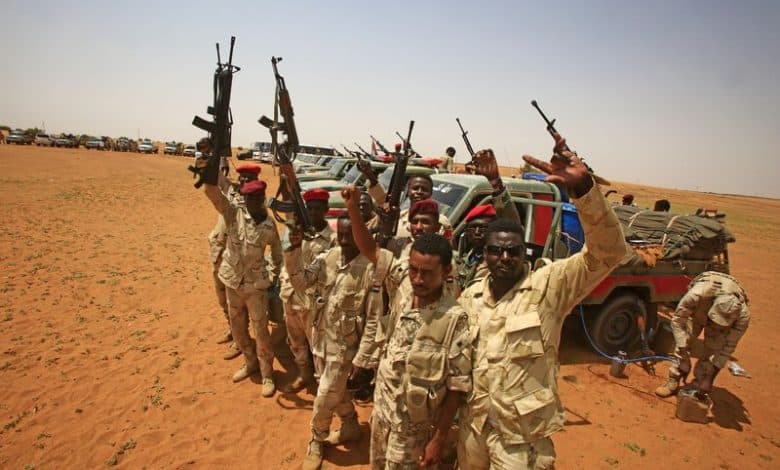
Witnesses, aid workers and researchers say the Rapid Support Forces (RSF) are holding Darfur residents for ransom after seizing El-Fasher in late October. Their accounts describe large groups detained in several villages around the city, with others held inside El-Fasher as families face demands for payments worth thousands of dollars.
The detentions highlight the dangers faced by those who could not escape the 18-month siege of El-Fasher. Survivors described summary executions and sexual violence after the city fell. Reuters interviewed 33 former captives and 10 aid workers who detailed the violence, the detention sites and the scale of abuse.
Survivors said ransoms ranged between five million and 60 million Sudanese pounds. Those unable to pay often faced execution or severe beatings. A Reuters reporter saw survivors in Chad with injuries that appeared consistent with their accounts.
“They give you three or four days, and if you don’t transfer the money, they kill you,” said Mohamed Ismail, who fled El-Fasher before being captured in Um Jalbakh.
Witnesses Report Killings and Abuse
Ismail said he and his nephew each raised 10 million pounds to secure their release, while nine men in their group were killed. RSF legal adviser Mohamed Mukhtar said a rival group disguised in RSF uniforms carried out most detentions. An RSF committee is investigating more than 100 alleged abuse cases daily, according to committee head Ahmed al-Nour al-Hala.
The fall of El-Fasher marked a decisive moment in the war between Sudan’s army and the RSF. Up to 250,000 people lived in the city before the takeover. Survivors said captors asked about their tribe and hurled racial slurs during interrogations.
The International Organization for Migration estimates that more than 100,000 people fled after the takeover. Aid agencies say thousands reached Tawila and nearly 10,000 crossed into Chad, although many remain trapped in RSF-controlled villages including Garney, Korma, Um Jalbakh and Shagra.
Ransoms Extracted Through Threats and Violence
One survivor, Yassir Hamad Ali, said fighters beat him and demanded 150 million pounds for his release. He said they used a Starlink terminal to contact his family. His relatives negotiated the ransom down to 5 million pounds.
Another former captive, Ibrahim Kitr, said his family took a loan to pay 35 million pounds. His brother said fighters beat him during a video call to pressure the family.
Aid workers say large-scale ransom operations around El-Fasher represent a new trend. Satellite imagery shows hundreds of new shelters in Garney, suggesting long-term detentions. Women have also reported sexual violence there.
A 62-year-old teacher said he was held with hundreds of men in El-Fasher’s children’s hospital. He said they drank from a stagnant pool they later learned was sewage, and he estimated about 300 men died.
Another survivor, Mujahid Eltahir, said he paid two ransoms after being detained twice. He described seeing bodies of men shot along escape routes.
A nurse who had been held said fighters forced her to appear in staged videos showing supposed humane treatment. “They torture you one moment, and then put you on live the next,” she said.