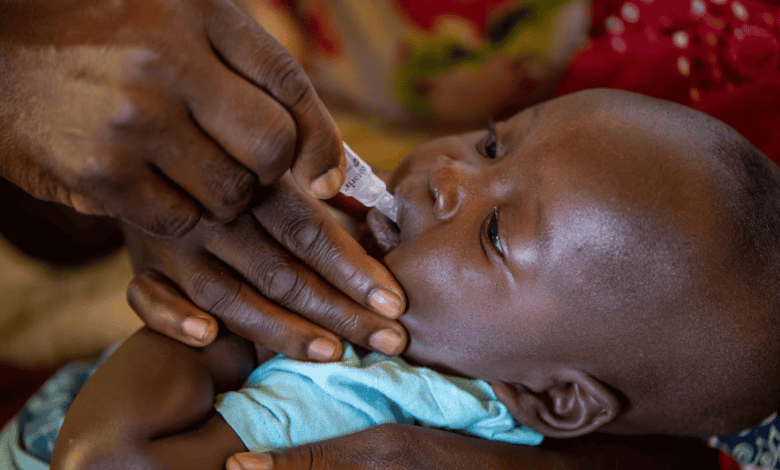
Millions of children have remained unvaccinated or under-vaccinated in 2023, as a result of rising conflicts across the world.
According to data from the UNICEF and the World Health Organization (WHO), grinding wars and conflicts prevented many children from getting access to vaccination drives for diseases including diphtheria, tetanus and pertussis (DTP).
Shocking Numbers
The UN figures showed that around 14.5 million children had not received their vaccinations against the DTP in 2023, up from 13.9 million a year earlier. More than half of unvaccinated children live in 31 countries where armed conflicts or other crises had created vulnerable settings.
Furthermore, 6.5 million children are under-vaccinated. This means they had not received their recommended dose of the DTP vaccine, which is necessary for protection against disease in infancy and early childhood.
Overall, 84% of children worldwide received the full doses of the DTP vaccine, which is below the required level to prevent disease outbreaks.
War-torn Regions
Countries hit by war and conflict saw a high rise in the number of unvaccinated children. The data revealed that over 50% of zero-dose children are concentrated in 7 countries: Nigeria, India, Ethiopia, Democratic Republic of Congo, Sudan, Indonesia and Yemen.
The war in Sudan has caused a fall in vaccination coverage, from 75% in 2022 to 57% in 2023.The number of unvaccinated children jumped from about 110,000 in 2021 to an estimated 701,000 in 2023. Similarly, the number of unvaccinated children in Yemen soared to 580,000, up from 424,000 three years ago.
Meanwhile, unvaccinated children in the occupied Palestinian territories increased to 17,000 based on data available until September from 1,000 in 2021.
Children at Risk
The figures reflect a sharp rise in unvaccinated and under-vaccinated children. This means that the goal of halving the number of zero-dose children around the world by 2030 was off-track, according to the Guardian.
The director of WHO’s immunization and vaccines department, Dr Katherine O’Brien, said: “This puts the lives of the most vulnerable children at risk.” She warned that children in regions that suffer humanitarian crises “also lack security, they lack nutrition, they lack healthcare, and are most likely as a result of those things to die from a vaccine-preventable disease if they get it.”
Deteriorating Situation
The UNICEF’s representative in Sudan, Douglas Hageman, noted that the war in Sudan has led to the collapse of the country’s health system. He said: “National vaccination coverage has plummeted from 85% before the war to around 50% currently, with rates averaging 30% in active conflict areas and as low as 8% in South Darfur.”
Hageman pointed out that outbreaks of vaccine-preventable diseases, such as measles, rubella and polio, were common in Sudan.
Additionally, vaccination rates in Yemen were “alarmingly low,” according to Peter Hawkins, UNICEF’s representative in the country. Hawkins added that “a combination of factors that have further worsened in recent years, including a lack of access to healthcare, vaccine hesitancy and worsening socioeconomic and political crisis, have exacerbated the situation.”
Action Needed
Despite modest progress in some regions, including regions in Africa and low-income countries, the latest figures stress the need to accelerate efforts toward realizing the targets of the Immunization Agenda 2030 (IA2030) that aim to achieve 90% coverage, and keeping no-dose children globally under 6.5 million by 2030.
Given that, the UNICEF Executive Director Catherine Russell, said that the latest trends demonstrate that many countries continue to miss far too many children. “Closing the immunization gap requires a global effort, with governments, partners, and local leaders investing in primary healthcare and community workers to ensure every child gets vaccinated, and that overall healthcare is strengthened,” she added.
For this purpose, the IA2030 Partnership Council calls for boosting investment in innovation and ongoing collaboration. Moreover, the Council recommends partners to increase their support for country leadership to enhance routine immunization.