China shocked diplomatic circles on Friday by proposing Xiamen as host for the new high seas treaty’s secretariat, in a strategic move that reveals Beijing’s intensifying ambition to reshape global environmental governance structures actively. The Chinese UN mission confirmed its formal candidacy in a letter to Secretary-General Antonio Guterres, AFP sources verified. Nations will select the permanent host later this year after the treaty takes effect today. Previously, only Belgium and Chile competed fiercely for this influential role.
Consequently, China’s announcement follows closely on US President Donald Trump’s pledge to withdraw from 66 international pacts, including the pivotal UN climate convention underpinning worldwide emissions accords.
Meanwhile, experts interpret Beijing’s maneuver as deliberate positioning. “This signals China’s clear intention to help shape global rules,” stressed Li Shuo of the Asia Society Policy Institute, calling the bid “a notable move” strengthening Beijing’s diplomatic leverage.
Treaty’s Urgent Mission and Complex Path Ahead
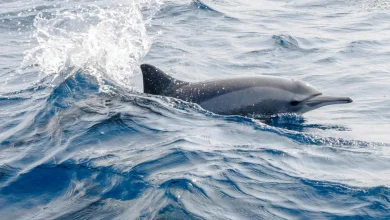
After years of negotiation, 60 nations finally ratified the high seas treaty last September, which aims to protect biodiverse marine zones beyond national coastal boundaries effectively. Conservationists emphasize oceans generate half our oxygen and absorb vast carbon dioxide quantities.
Therefore, safeguarding them remains critical for planetary climate stability. Once operational, the secretariat must coordinate with existing bodies like regional fisheries councils and the International Seabed Authority. These organizations currently joust over contentious deep-sea mining regulations.
Today’s treaty activation marks a historic step for ocean conservation amid accelerating ecological crises. However, China’s unexpected bid injects fresh complexity into host negotiations already underway, with nations now weighing Xiamen’s suitability against established European and South American contenders.
Ultimately, this decision will test global unity on environmental stewardship while redefining power dynamics in multilateral forums. Observers anticipate fierce diplomatic wrangling before year-end as members prioritize both ecological urgency and geopolitical influence.