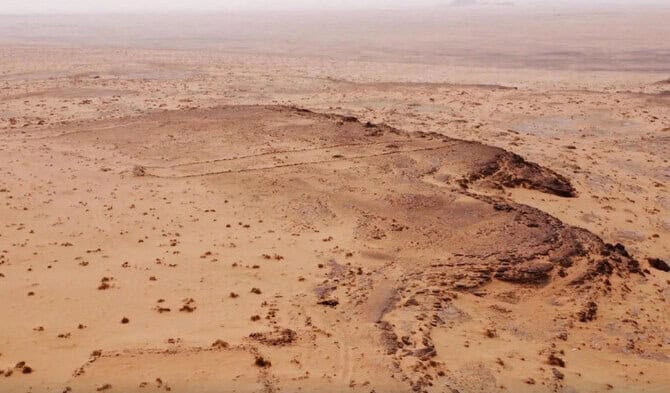
Saudi Arabia’s Heritage Commission will delve deeper into the enigmatic world of Mustatil stone structures. Scientists recently announced plans to expand research and excavation efforts at new Mustatil sites across the Kingdom.
Unveiling the Past: A Glimpse into Ancient Civilizations
The Commission hosted a virtual meeting to discuss recent findings on Mustatils, some of the world’s oldest human-made stone structures, located in the Hail region. Scientists emphasized the importance of broadening the scope of their research, particularly focusing on the environmental context of Mustatils.

By examining the link between these structures and climate changes during the period, researchers aim to gain a deeper understanding of ancient societies and their adaptations to their natural surroundings.
A Testament to Ancient Ingenuity and Resilience
These ancient structures provide compelling evidence of civilizations that thrived in the region thousands of years ago. The Commission’s research efforts, aided by advanced archaeological techniques like aerial photography and 3D scanning, will shed new light on the lives and cultures of these early inhabitants.

Preserving Heritage, Inspiring the Future
Dr. Jasser Al-Harbash, CEO of the Heritage Commission, highlighted the significance of Mustatils in enhancing our understanding of the Arabian Peninsula’s history. Dating back to between 4200 and 5400 B.C., these structures are among the oldest in the Middle East.
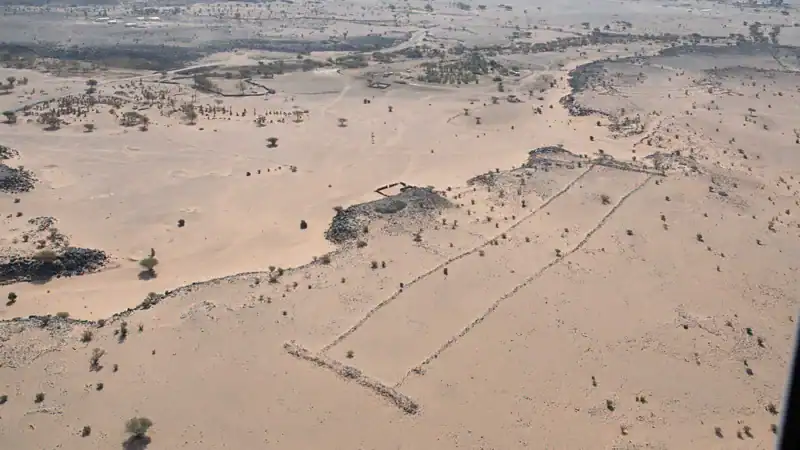
The Commission is committed to collaborating with researchers and enthusiasts to uncover the cultural and social importance of Mustatils. By documenting and preserving these ancient sites, Saudi Arabia aims to safeguard its rich cultural heritage for future generations.
A Nation Steeped in History
Saudi Arabia boasts a significant number of stone circles, mounds, and other similar structures scattered across the country. Many of these sites, including those in Khaybar, Fadak, and AlUla, feature intricate arrangements of large stone slabs.
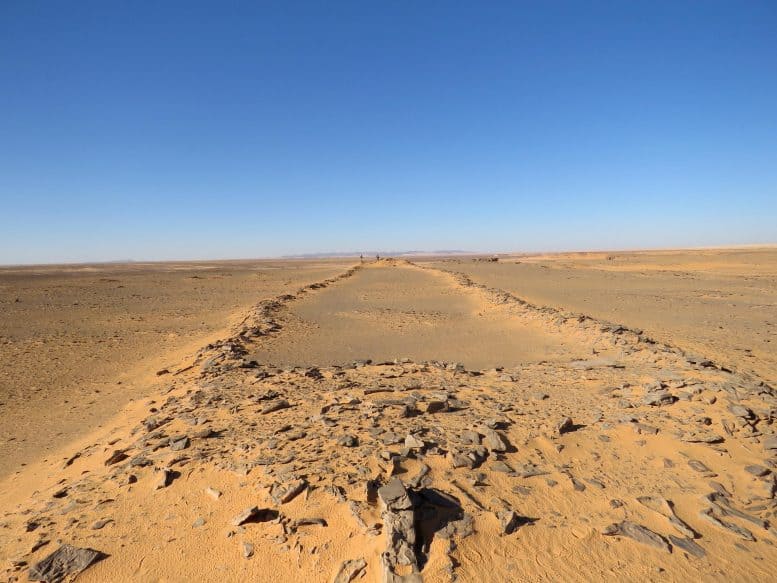
Dr. Salma Hawsawi, a professor of ancient history, explained that these geometric formations may either connect or stand alone. The virtual meeting allowed participants to discuss construction techniques used in creating these fascinating structures and their significance. Experts also addressed the impact of climate change on these formations, highlighting the need for effective preservation strategies. The discussion emphasized the importance of protecting these invaluable archaeological treasures for future generations to study and appreciate.