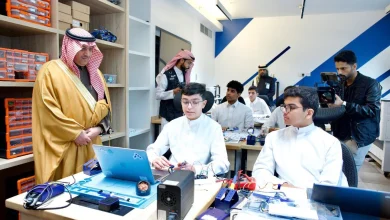
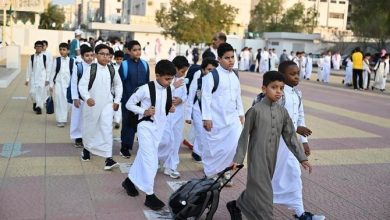
The big picture: Saudi Arabia is preparing to launch a transformative 2026–2027 school year across public and private schools nationwide. Furthermore, the Ministry of Education has finalized comprehensive operational plans to elevate national learning standards. This strategic initiative directly advances Saudi Arabia’s Vision 2030 objectives by modernizing educational infrastructure and nurturing student potential. Overall, these efforts demonstrate Saudi Arabia’s firm commitment to academic excellence.
Why it matters: The Ministry designed a structured return timeline to guarantee total operational readiness across every school campus. Consequently, school principals and administrative personnel will resume work on Tuesday, 11 August, 2026. Teaching faculty will return to classrooms on Sunday, 16 August, 2026, to finalize lesson plans. Finally, millions of male and female students will resume their studies on Sunday, 23 August, 2026. This phased approach allows school administrators to test technical systems and distribute teaching resources effectively.
Regional Flexibility for Strategic Hubs
However, the Ministry established flexible return schedules for four major educational directorates. Specifically, public schools in Makkah, Madinah, Jeddah, and Taif will start classes on Sunday, August 30, 2026.
Between the lines: These key regions manage unique geographic conditions, heavy traffic flows, and high visitor volumes. Therefore, local authorities required tailored scheduling to accommodate intense religious pilgrimage seasons and tourist activity smoothly.
“Our flexible governance model reflects growing administrative maturity,” an official Ministry spokesperson emphasized. “We empower regional directorates so that every child receives an exceptional educational experience without disruption.”
Moreover, this decentralized management model demonstrates how Saudi leaders balance central oversight with local community needs. Indeed, operational adaptability ensures continuous educational delivery during peak economic and religious seasons. Furthermore, regional directors can adjust daily school hours based on local weather conditions or traffic patterns.
A Balanced Academic Calendar
The 2026–2027 academic calendar integrates six extended official holidays across the school year. Furthermore, these scheduled breaks aim to reduce student burnout and maintain high learning engagement throughout both semesters.
- National Day: A two-day holiday honors the Kingdom’s historical unification.
- Autumn Vacation: A nine-day continuous recess provides essential mid-term rest.
- Mid-Year Break: A nine-day vacation separates academic semesters effectively.
- Founding Day: A two-day celebration highlights three centuries of Saudi heritage.
- Eid Al-Fitr: A sixteen-day break enables extended family unity.
- Eid Al-Adha: A sixteen-day recess accommodates holy pilgrimage rites.
As a result, educators can maintain high classroom standards while students enjoy adequate rest and family time. Additionally, predictable holiday schedules enable families and school staff to plan vacations well in advance. Moreover, structured breaks encourage students to maintain focus during peak examination periods.
Driving Vision 2030 Educational Priorities
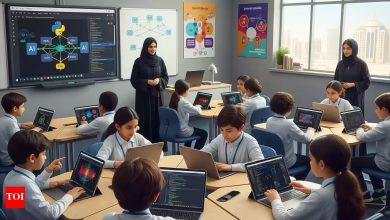
This refined academic schedule supports the Human Capability Development Program under Saudi Vision 2030. Consequently, the Kingdom is updating core curricula and integrating advanced digital tools into daily lessons.
Additionally, the Ministry prioritizes intensive professional training programs for teachers across all subjects. School leaders are implementing smart analytics platforms to monitor academic progress accurately.
Meanwhile, education officials continue to align Saudi academic standards with leading global benchmarks. For example, investing in digital classrooms and modern facilities enhances student performance and critical thinking skills.
Furthermore, the government views education as the primary foundation for economic diversification. Consequently, building a skilled workforce remains a central national priority for Saudi leadership.
Specifically, schools are expanding science, technology, engineering, and mathematics subjects. Likewise, early childhood programs are receiving fresh funding to build foundational literacy early. Ultimately, these comprehensive educational reforms will empower future generations to excel globally.
The bottom line: Saudi Arabia treats this year’s calendar and its curriculum reforms as two halves of one project. Flexible scheduling keeps the system running during pilgrimage seasons. AI-driven coursework, meanwhile, prepares millions of students for the workforce Vision 2030 is actively reshaping. For a Kingdom betting its economic future on a knowledge-based workforce, the classroom has become as strategic a battleground as any giga-project on the drawing board.
What’s next: Saudi Arabia’s proactive reforms create a resilient, modern, and world-class educational ecosystem. Therefore, the upcoming academic year marks another significant step forward.