Egypt’s Sisi Approves Formation of Saudi-Egyptian Supreme Coordination Council
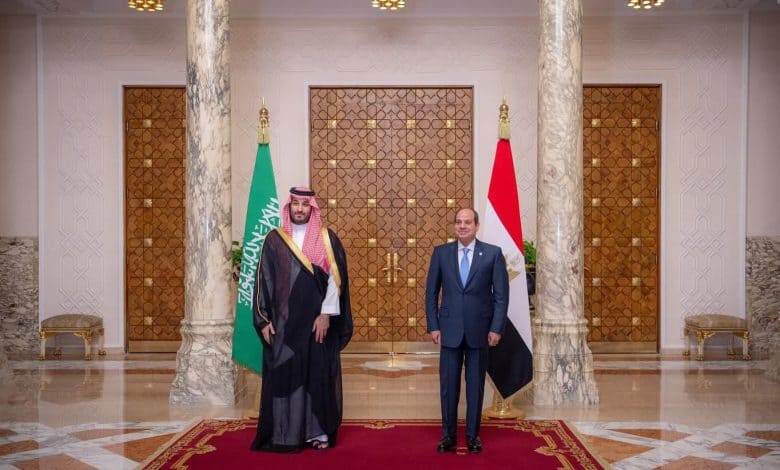
The Egyptian President, Abdel Fattah Al-Sisi, on Thursday issued a presidential decree approving the minutes of formation of the Saudi-Egyptian Supreme Coordination Council, reported the Middle East News Agency.
The Council aims to strengthen strategic cooperation between Saudi Arabia and Egypt across vital areas such as politics, security, economy, trade, investment, education, healthcare, environment, culture, industry, agriculture, technology, digital transformation, communications, infrastructure, transportation and energy.
The establishment of the Saudi-Egyptian Supreme Coordination Council was announced during a visit by the Saudi Crown Prince and Prime Minister, Mohammed bin Salman, to Egypt in October 2024. The visit also saw both countries signing an array of economic and investment deals
Under the Presidential Decree No. 55 of Year 2025, President Al-Sisi will chair the Egyptian side, while Crown Prince Mohammed bin Salman will chair the Saudi side. The Council will also include ministers and senior officials from both countries across relevant sectors.
Moreover, each side will designate a secretary-general to coordinate efforts, ensure implementation, and oversee all related tasks. The two secretary-generals will draft a joint minute of agreement for a governance framework.
This framework will specify its structure, responsibilities, and coordination and communication mechanisms, aiming to advance the Council’s interests.
The Council will hold regular meetings on a rotating basis between Saudi Arabia and Egypt.
In March 2025, the Egyptian Parliament approved the Investment Protection Agreement with Saudi Arabia, designed to promote and protect mutual investments between Saudi Arabia and Egypt, bolster bilateral economic ties, and ensure alignment with both countries’ economic priorities.
It also aims to create favorable conditions and more opportunities to encourage investments, promote investment opportunities in both countries, facilitate technology transfer, create more jobs, and develop human resources through mutual investments.