
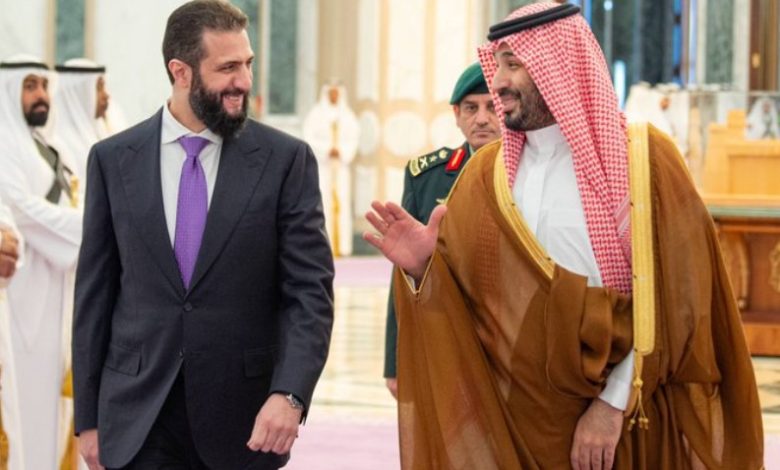
Amid a rapidly changing geopolitical landscape, Saudi Arabia spearheads high-level diplomatic engagements to establish a unified front and prevent the region from spiraling into chaos and instability.
Syria, as a key actor in the Levant, lies in the heart of these efforts. A recent visit by President Ahmed Al-Sharaa to Riyadh underscores the Kingdom’s proactive approach to reintegrate Damascus into the Arab fold – a pivotal move for long-term regional stability and collective Arab alignment.
Al-Sharaa Lands in Riyadh
Driving the News: Syrian President Al-Sharaa arrived in Riyadh on an official visit on Wednesday, November 4, 2026, spearheading a high-level delegation.
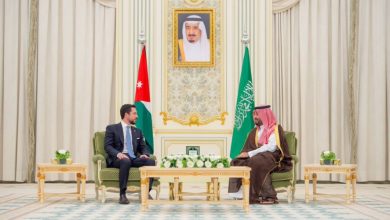
The Big Picture: Saudi Crown Prince and Prime Minister Mohammed bin Salman received Al-Sharaa at Al-Yamamah Palace in Riyadh. Both leaders reviewed bilateral ties and explored ways to bolster cooperation across various fields. They also exchanged views on the recent regional and international developments.
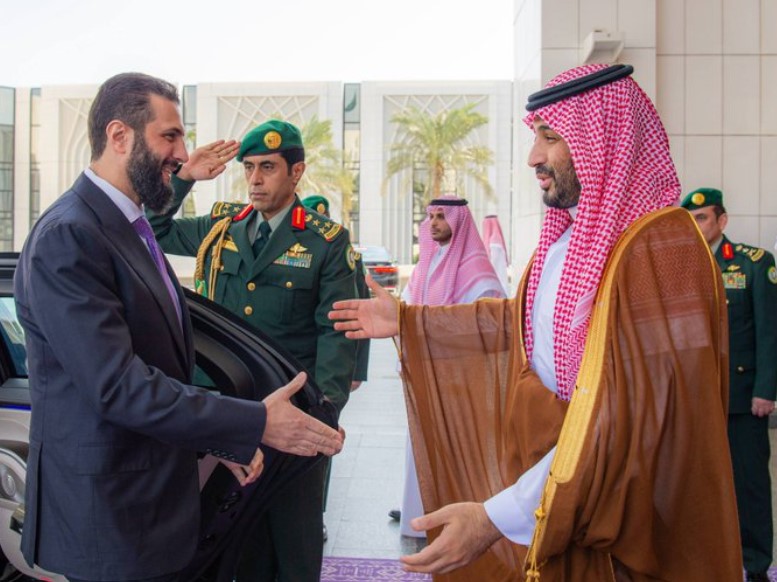
Why It Matters: The visit marks Al-Sharaa’s second visit in less than a month, as he visited Riyadh and met with the Saudi Crown Prince on October 6. Al-Sharaa’s accompanying delegation, which comprises the ministers of defense, foreign affairs, finance, and industry, as well as the head of the General Intelligence Service, signals Damascus’ keenness on boosting political, military, security and economic ties with the Kingdom.
Regional Security on the Agenda
State of Play: According to the Syrian Arab News Agency (SANA), the Saudi Crown Prince and the Syrian President reaffirmed the need to strengthen security and stability across the region.
The Context: Since July 2026, the Iranian-backed Houthi militia has escalated its attacks on Saudi civilian and energy infrastructure with drones and missiles across Riyadh, Taif, Abha, Jeddah, Yanbu, Khamis Mushait, Jazan, and Najran. The militia has also targeted Saudi Arabia’s airports, including King Khalid International Airport in Riyadh, King Fahd Airport in Dammam, as well as Abha, Jazan, and Najran airports, killing dozens of civilians and injuring hundreds. Moreover, the Houthis have attempted to target Makkah and Madinah, the two holiest cities in Islam. Saudi Arabia’s air defense systems continue to demonstrate exceptional operational readiness and high efficiency in neutralizing these threats.
What to Watch: Earlier this week, Syria stated that it was considering joining the Makkah Joint Defense Agreement (Makkah Defense Alliance), alongside Saudi Arabia, Pakistan, and Türkiye. It also indicated that Damascus would support any organization that protects regional security, whether or not it joins the pact.
Flashback: On August 7, 2026, Saudi Arabia, Pakistan, and Türkiye signed the Makkah Joint Defense Agreement which stipulates that “any armed attack against any one of the three states shall be regarded as an attack against them all,” laying the ground for collective deterrence, joint readiness, and coordinated military response.
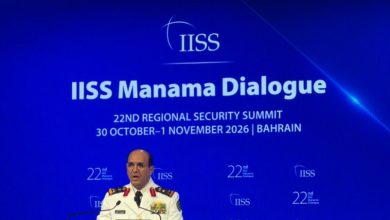
What He Said: “Discussions are currently under way to evaluate Syria’s entry into the Makkah Alliance.” – Asaad al-Shaibani, Syria’s Foreign Minister, noted at the Manama Dialogue.
The Reintegration Push
Between the Lines: Saudi Arabia has been a strong advocate for Syria’s return to the Arab fold, supporting the country’s security, stability, and territorial integrity, while spearheading efforts to end Damascus’ regional and global isolation after the fall of Bashar Al-Assad’s regime in December 2024.
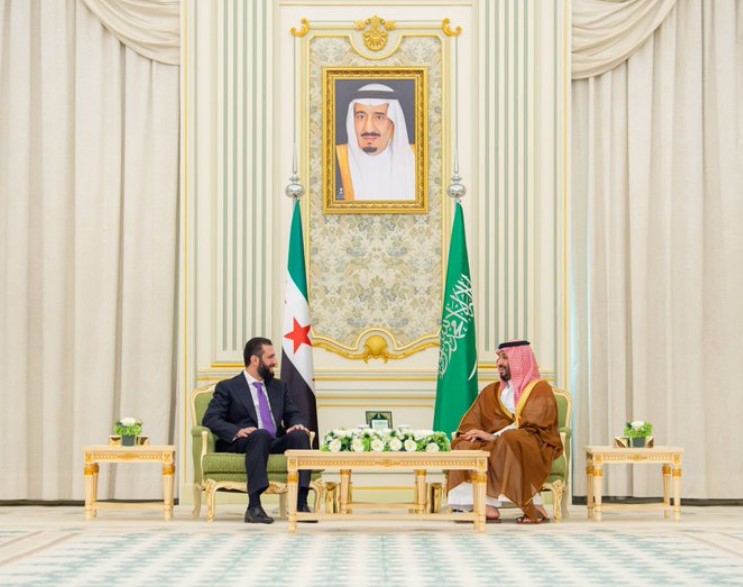
Zoom In: Through an intensified diplomatic push, the Kingdom has championed the lifting of Western economic sanctions on Syria and its removal from the US terror list. Riyadh has also reiterated its support for Syria’s territorial integrity, rejecting any moves that undermine the country’s unity.
Saudi Arabia: Syria’s Economic Backer
The Deep Dive: In tandem with diplomatic support, Saudi Arabia has injected immediate economic aid to back Syria’s economic development and help it address pressing challenges. This was materialized in the inauguration of the Saudi-Syrian Investment Forum in July 2025 in Damascus, during which deals worth SAR 24 billion ($6.4bn) were signed to support Syria’s economic recovery and reconstruction. The Kingdom also boosted Syria’s energy sector, providing critical oil grants and technical expertise to restore the Syrian power grid, promote the growth of key sectors and support efforts to achieve sustainable development goals.
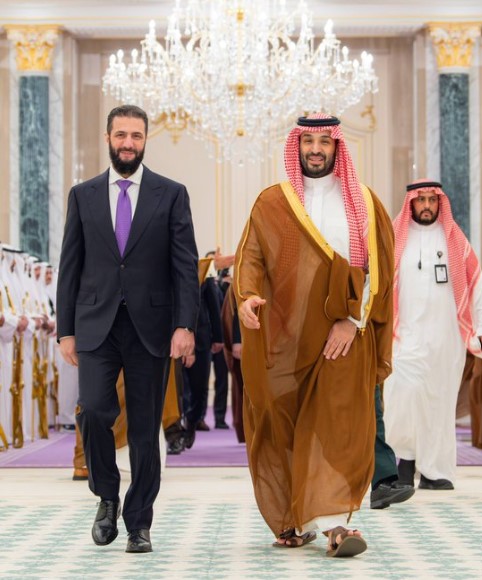
Transit Network: On the sidelines of Al-Sharaa’s visit to Jeddah in April 2026, several agreements were signed to strengthen bilateral cooperation in land transport, railways and logistics, including plans to revive the Hejaz Railway, which will connect the Gulf to the Mediterranean and Europe, providing a strategic alternative for the Strait of Hormuz and other maritime flashpoints.
Navigating Regional Escalation
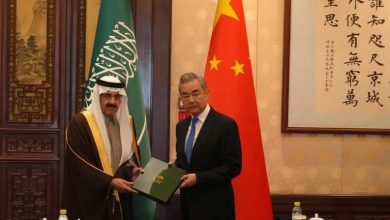
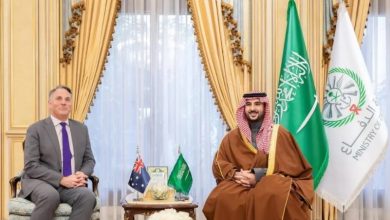
The Strategy: Since the outbreak of the recent regional tensions, Riyadh has adopted a proactive diplomatic strategy to de-escalate the situation, build a unified Arab and regional stance, and align efforts on state sovereignty and maritime security. These efforts have involved high-level diplomatic engagements with regional and international partners.
The Impact: Several states have voiced their unwavering support for the Kingdom against Houthi threats. These include Jordan, Egypt, GCC states, Pakistan, Türkiye, France, the UK, South Korea, and other NATO allies.
The Bottom Line: The meeting between Crown Prince Mohammed bin Salman and President Al-Sharaa underscores the depth of Saudi-Syrian ties. It also positions Riyadh as the central architect of a pragmatic, Arab-led regional order, highlighting the Kingdom’s efforts to build a unified front capable of withstanding external shocks, safeguarding trade arteries, and maintaining peace across the Gulf and the Levant.