
From Nursery to Reef: How Saudi Arabia Is Pioneering Coral Restoration in the Red Sea
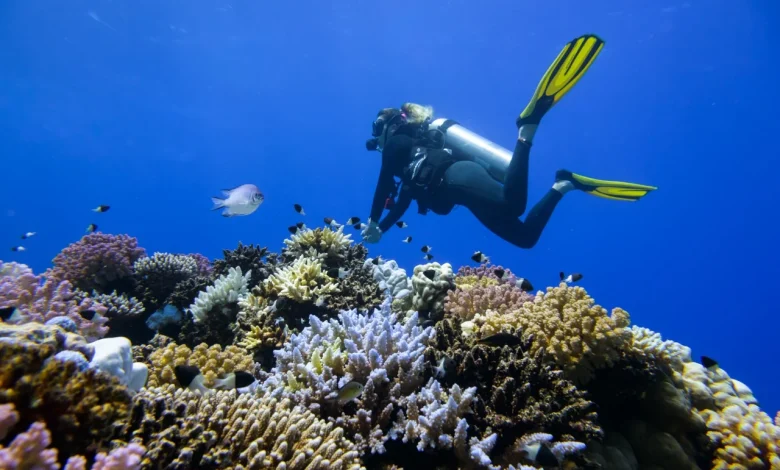
Driving the news: The Red Sea Coral and Turtle Preservation Authority has launched an ambitious coral nursery project in Jeddah. Currently, the underwater facility nurtures 380 active coral colonies off La Mer beach. Furthermore, recent scientific evaluations show that 78.4% of these colonies maintain excellent health.
Why it matters: Marine scientists consider the Red Sea a vital, highly resilient aquatic ecosystem. Therefore, Saudi Arabia’s new coral nursery initiative provides a crucial model for global reef restoration. In addition, this project highlights the Kingdom’s rapidly growing investment in marine environmental protection.
Saudi Arabia’s Expanding Environmental Leadership
The big picture: Saudi Arabia actively prioritizes ecological conservation under its comprehensive Vision 2030 national plan. Consequently, the Saudi Green Initiative directs massive state resources toward environmental restoration projects across the Kingdom.
- National targets: Specifically, Saudi Arabia aims to protect 30% of its total marine and terrestrial environments by 2030.
- Financial backing: Furthermore, the Kingdom has pledged over SAR 700 billion ($186.6 billion) to fund national environmental programs.
- Coastline focus: Consequently, these strategic investments directly support marine biodiversity along Saudi Arabia’s 1,800-kilometer Red Sea coastline.
Between the lines: Saudi Arabia links its environmental stewardship directly to major economic development mega-projects. For example, Red Sea Global and NEOM enforce strict net-positive ecological goals across all development stages. As a result, local restoration programs in Jeddah complement these larger sustainable development goals.
What they’re saying: Environmental leaders emphasize the strategic necessity of proactive reef management. Dr. Khalid Al-Shaikhi, a senior marine conservation specialist with the authority, highlighted the core mission:
“We rescue vulnerable corals and cultivate healthy tissue in controlled underwater environments. Ultimately, our team will restore depleted natural reefs across the entire Red Sea region.”
Inside the Jeddah Coral Nursery Operations
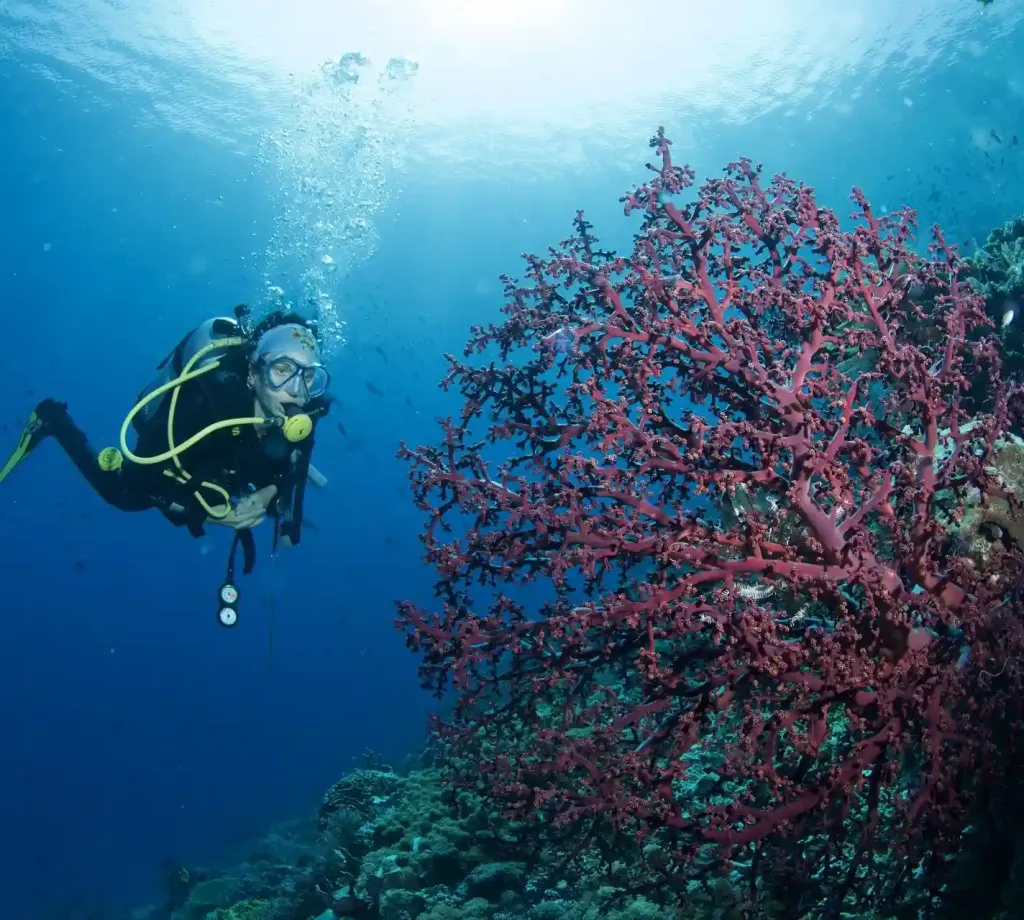
How it works: The project began during mid-2024 along La Mer beach in Jeddah. Moreover, the authority partnered directly with the 17sixty Diving Center to manage daily operations. In addition, the Saudi Water Sports and Diving Federation provides ongoing operational support. Together, these organizations combine modern scientific methodology with active local community participation.
- Coral rescue: First, certified divers collect threatened coral fragments from damaged coastal areas near Jeddah.
- Stabilization: Next, field specialists mount these rescued pieces onto suspended tables, rope units, and floating nursery frames.
- Habitat protection: Subsequently, these elevated structures isolate young corals from smothering seabed sediments and dangerous pollutants.
- Optimal growth: As a result, the artificial nursery environment provides optimal sunlight and water circulation for rapid tissue development.
The details: Marine experts enforce rigorous monitoring protocols to ensure maximum survival rates. For instance, specialists perform detailed weekly inspections to track health indicators, diseases, and aquatic predators. Furthermore, research teams measure colony growth rates every three months to document physical expansion.
Meanwhile, divers conduct monthly maintenance visits to clean smothering algae from nursery frames. In addition, field workers actively remove destructive predators, including crown-of-thorns starfish (Acanthaster planci) and predatory Drupella snails.
Simultaneously, the conservation team assigns a unique digital identification code to every individual colony. This digital tracking system records parent colony origins and logs precise growth history over time. Furthermore, researchers utilize advanced 3D printing technology to design textured settling surfaces. Consequently, these artificial surfaces help wild coral larvae settle and grow into robust colonies.
Consequently, the project builds substantial local scientific capacity alongside its core environmental mission. Specifically, the initiative trains Saudi divers in professional nursery maintenance and ecological monitoring. Therefore, local diving enthusiasts actively participate in field restoration work alongside marine scientists. Consequently, this public involvement fosters strong community ownership over regional Red Sea marine resources.
Comprehensive Coral Nursery Data and Investment Metrics
By the numbers:
- 380 coral colonies: The Jeddah nursery facility currently houses and nurtures 380 active colonies across varied water depths.
- 4% health rate: Exactly 298 colonies maintain prime health with 100% living tissue and zero visible decay.
- 231 large colonies: More than 231 cultured colonies have expanded beyond 10 centimeters in size.
- 13 coral genera: The facility propagates 13 distinct coral genera to preserve broad genetic diversity across natural reefs.
- 245 Pocillopora colonies: The Pocillopora genus dominates the facility, comprising 64.5% of total nursery stock.
- 62 Acropora colonies: Fast-growing Acropora corals represent 62 individual colonies within the nursery layout.
- 35 Porites colonies: Resilient Porites corals make up 35 colonies, alongside several other secondary coral genera.
- SAR 700 billion ($186.6 billion): Saudi Arabia’s total financial allocation toward national sustainability programs under the Saudi Green Initiative.
- SAR 3.75 million ($1 million): The estimated annual operating budget required for regional marine nursery facilities of this technical scale.
- 30% protection target: The official quota of marine and coastal territory that Saudi Arabia will designate as protected reserves by 2030.
Future Expansion and Strategic Impact
What’s next: Saudi environmental authorities will expand this project significantly over the coming 12 months. Specifically, project directors have designed a multi-stage timeline comprising seven structured phases:
- Nursery expansion: First, field teams will increase physical nursery capacity to accommodate higher colony volumes.
- Reef transplantation: Next, specialists will carefully transfer healthy, mature colonies back into depleted natural reefs.
- Environmental assessments: Furthermore, researchers will complete detailed environmental impact studies across target transplantation sites.
- Standardized protocols: In addition, authorities will publish standardized care guidelines for regional conservation groups.
- Institutional partnerships: Finally, the Kingdom will establish expanded research partnerships with international marine institutes.
The bottom line: Saudi Arabia continues to demonstrate clear regional leadership in marine ecosystem conservation. By combining scientific innovation, public engagement, and substantial financial backing, the Kingdom safeguards its unique marine heritage. Ultimately, initiatives like the Jeddah coral nursery ensure that Red Sea biodiversity flourishes for decades to come.