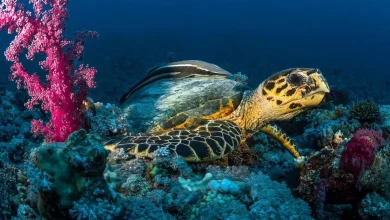
The Red Sea’s appeal is not only defined by its remarkable landscapes, but also by the extraordinary life beneath its waters.
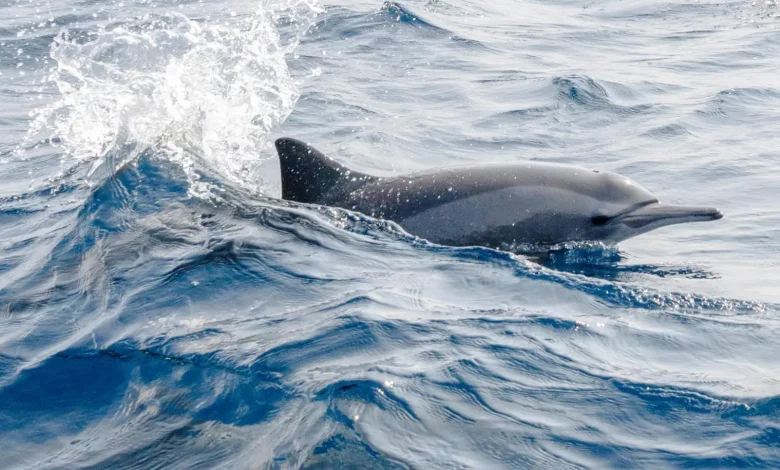
Dolphins stand out among its distinctive marine species, attracting those who seek encounters with wildlife in its natural habitat.
This growing appeal makes the protection of these creatures is not only an environmental priority but also an essential part of building a more sustainable tourism experience.
How Can Tourism Protect Red Sea Dolphins?
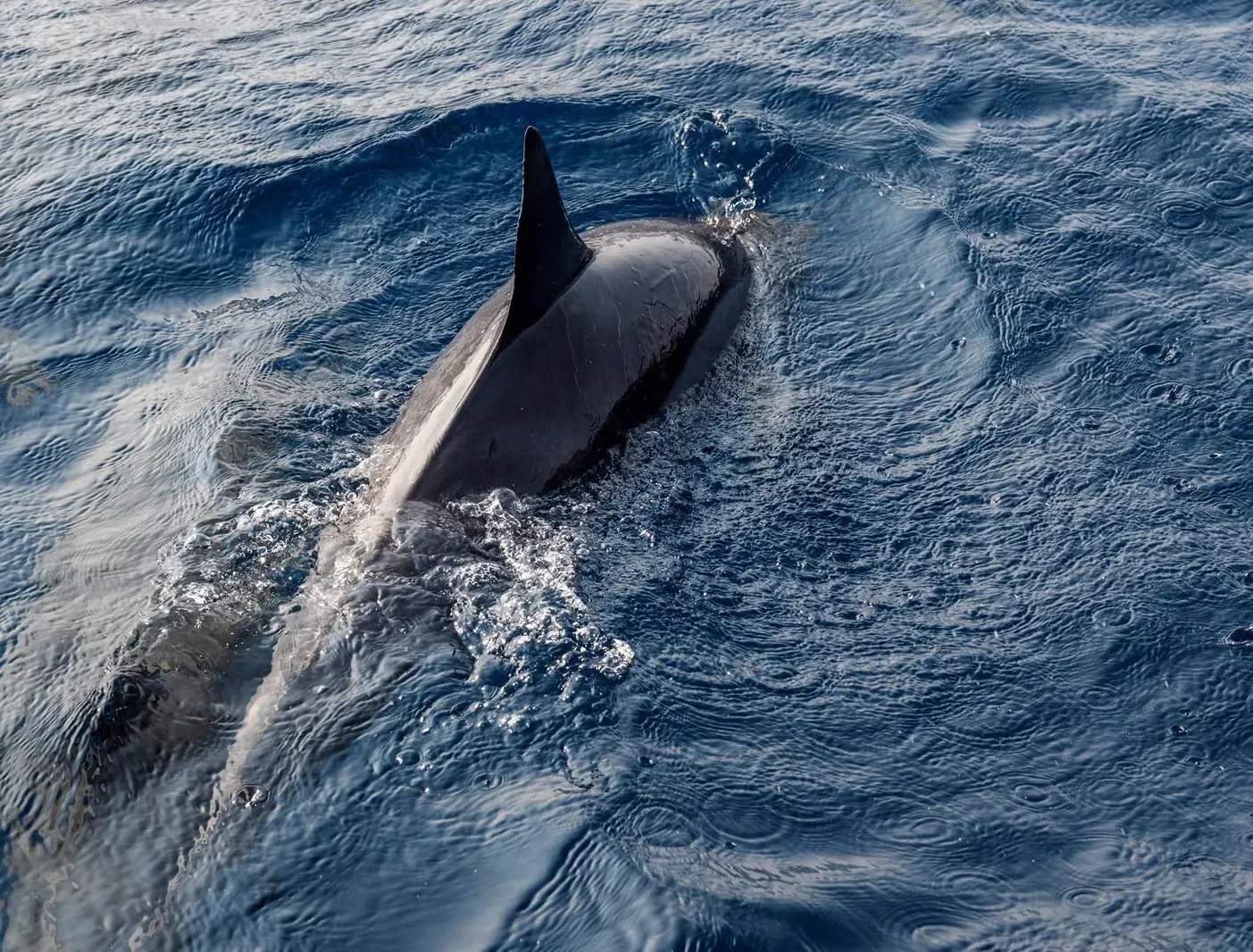
With its characteristic leaps and dynamic movements, the spinner dolphin represents one of the Red Sea’s most magnificent marine species.
Beneath the surface, however, sound is just as important as movement since dolphins use it to communicate, navigate and locate prey.
This fact makes quieter waters crucial to these animals, allowing them to move through their habitat without excessive proximity or pursuit.
That is why the Saudi Red Sea Authority (SRSA) is placing environmental protection at the heart of marine and coastal tourism regulation.
By regulating marine and coastal tourism activities through standards and guidelines designed to safeguard the marine environment, the authority is further supporting the development of a more sustainable marine tourism sector.
Safeguarding the Future of Red Sea Tourism
This commitment is vividly reflected in the authority’s “Deeper Than It Seems” campaign, which underscores the importance of responsible practices across the Red Sea.
The initiative highlights the need to safeguard the region’s rich marine life while enriching the visitor experience and preserving the natural assets for future generations.
The campaign is built around a central idea: a marine tourism experience begins long before the first encounter with the sea.
Every marine tourism activity hinges on an integrated system of regulations, requirements, licenses, and permits, supported by technical foundations and international standards.
Through clear procedures, this framework paves the way for the sector to grow both efficiently and sustainably in line with Saudi Vision 2030.
From cruises and marinas to yachts, boats, beaches, and maritime activities of every kind, the SRSA’s regulatory framework spans the breadth of marine and nautical tourism.
Its requirements are designed to fit the nature and risk level of each activity, but their underlying purpose remains unchanged: visitor safety, quality experiences, and protection of the marine environment.
Related Topics:
The Four Sisters Islands: A Red Sea Refuge for Sea Turtles
Red Sea Global Adds 5 LEED Platinum Resorts at Red Sea Destination
Saudi Arabia’s Jazan Emerges as Red Sea Tourism Hotspot after Record-Breaking 2025