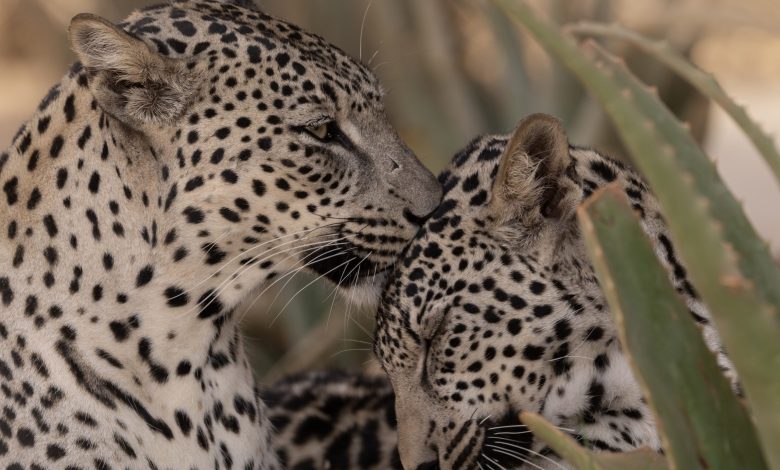
The race to protect the Arabian leopard has reached a new milestone in Washington, where the Royal Commission for AlUla (RCU) and the Smithsonian’s National Zoo and Conservation Biology Institute have broken ground on a dedicated habitat for the critically rare species, with fewer than 120 Arabian leopards believed to remain in the wild.
Saudi-US cooperation enters a new conservation chapter
The new habitat is expected to welcome a breeding pair from Saudi Arabia’s conservation program once technical evaluations and regulatory approvals confirm their welfare, genetic suitability and readiness.
The ceremony drew senior figures from both sides, including Princess Reema bint Bandar Al-Saud, Saudi ambassador to the US; Smithsonian Secretary Lonnie G. Bunch III; and RCU CEO Abeer Al-Akel.
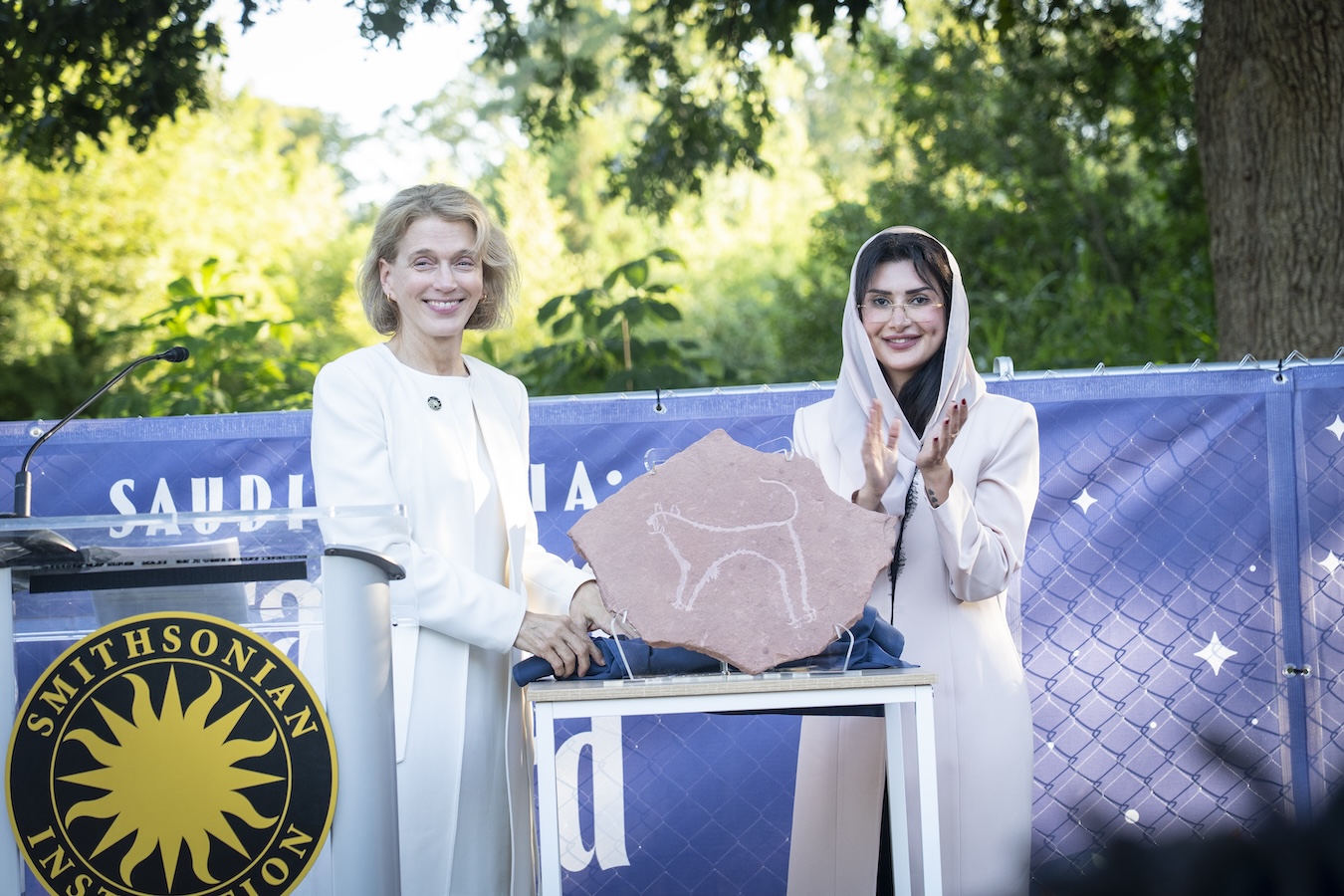
For Brandie Smith, director of the National Zoo and Conservation Biology Institute, the initiative carries a clear message: “Extinction is not inevitable.” She considered exceptional animal care, cutting-edge science, sustained investment and enduring partnerships as the core pillars of transforming wildlife’s future.
AlUla’s leopard legacy
Enriching the conservation effort with a cultural dimension, the Smithsonian received a hand-carved sandstone replica of an ancient Arabian leopard petroglyph from AlUla.
The original panel depicts the animal beneath a horse-drawn chariot alongside Dadanitic script.
Dating to between 800 B.C. and 400 C.E., the historic image offers a compelling connection between the leopard’s ancient presence and its conservation future.
Remarkably, the international partnership culminates years of conservation work in Saudi Arabia. In Taif, the RCU runs a dedicated conservation breeding center, the first in the Kingdom to secure accreditation from the European Association of Zoos and Aquaria.
Since the commission took over the program, the managed Arabian leopard population has more than doubled.
Rebuilding an ecosystem for reintroduction
Reintroduction marks the ultimate ambition. Yet the path toward it requires more than a carefully planned release.
For Naif Al-Malik, vice president of wildlife and natural heritage at RCU, reintroducing an apex predator into the wild represents a “complex, long-term scientific endeavor.”
He also noted that the process demands the restoration of an entire ecosystem, not simply the release of a leopard.
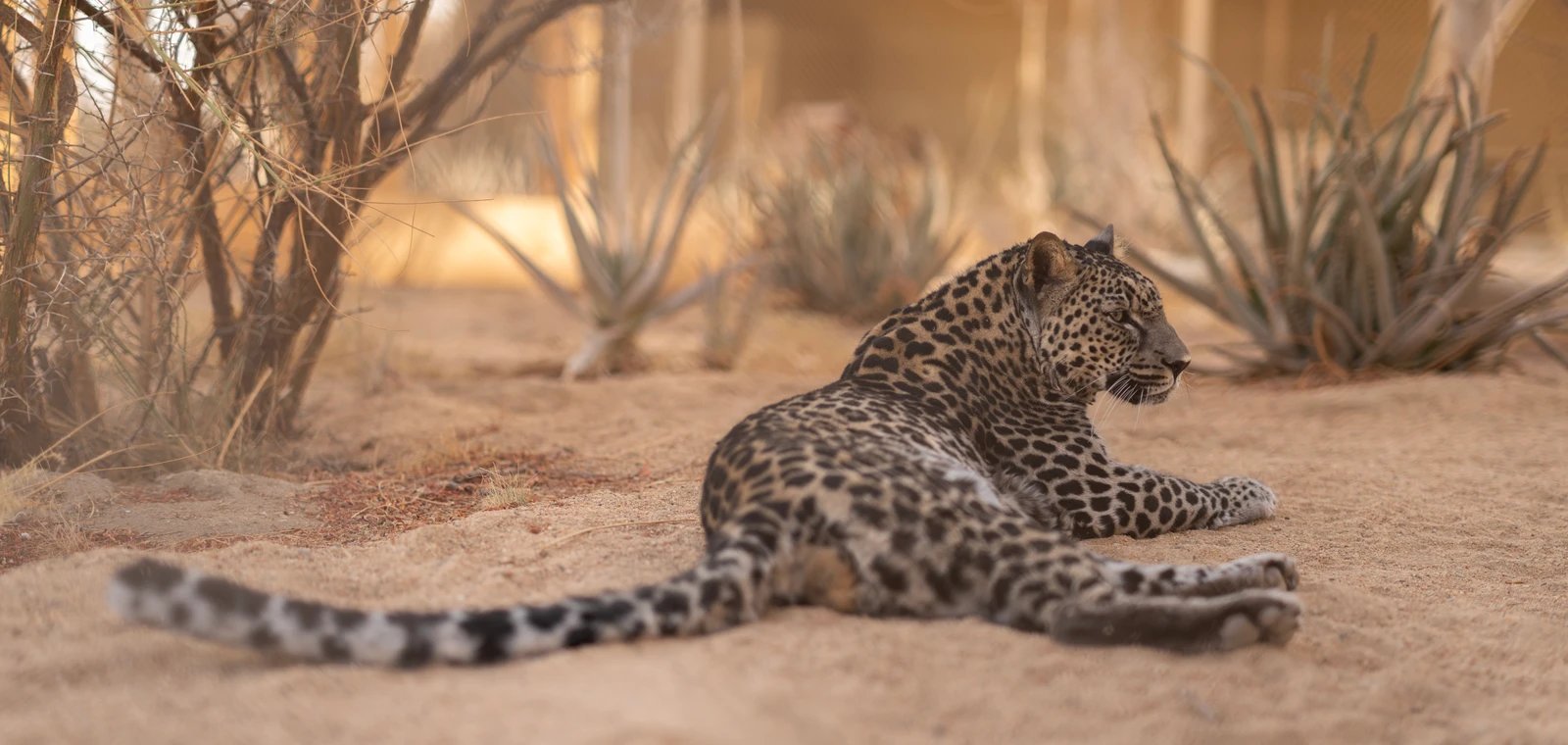
Advancing the restoration of the landscapes the Arabian leopard once called home, more than half of AlUla is now designated as protected land, while over 74,400 hectares of Sharaan National Park have undergone rehabilitation.
Related Topics:
Genetic Breakthrough: KACST Constructs First Arabian Leopard Genome
‘Leap of Hope’ Commemorates International Day of Arabian Leopard
Arabian Leopard: Inside Saudi Arabia’s Race to Save Its Rarest Predator