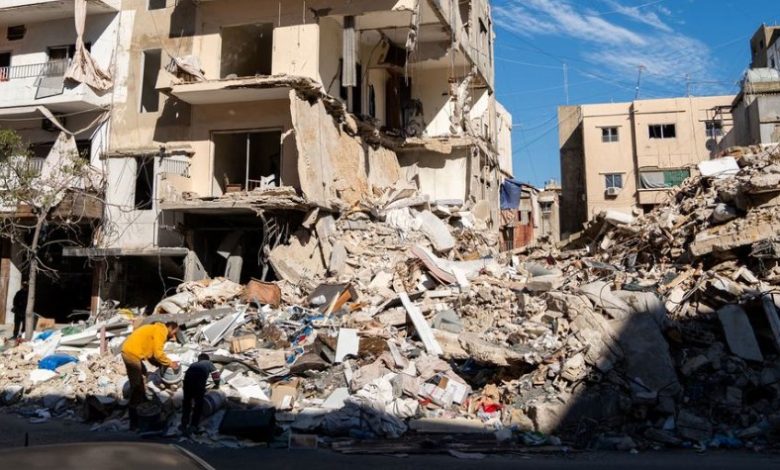
Israel has insisted it will not withdraw its troops from southern Lebanon until the disarmament of the Iranian-backed group Hezbollah.
The statements came as Lebanon and Israel are taking part in US-mediated talks in Washington to end the fighting and reach a peace agreement.
Hezbollah Disarmament First
In a press briefing on Thursday, Israeli government spokesperson David Mencer said that Israeli forces will only withdraw from southern Lebanon after the demilitarization of the area and the disarmament of Hezbollah.
“We will not withdraw our forces from southern Lebanon as long as Hezbollah remains a threat, are not disarmed and are not demilitarized,” he said, as quoted by AFP.
In early March, Hezbollah dragged Lebanon into the US-Israeli war with Iran by launching barrages of missiles and drones toward Israel in retaliation for the killing of the Iranian Supreme Leader Ayatollah Ali Khamenei.
Israel responded by launching heavy airstrikes and ground operations into southern Lebanon, seizing control of large swaths of the country.
US-Backed Pilot Scheme
Washington is hosting the fifth round of direct talks between Lebanon and Israel – set to conclude on Thursday. The two countries have been discussing a US-backed proposal under which Israeli forces will hand some of the territory they occupied to Lebanon’s military, Reuters reported, citing officials on both sides.
Since the outbreak of the war with Iran and Hezbollah’s involvement in the fighting, the Israeli military seized about 10 km of territory in southern Lebanon, calling it a “buffer zone.” Israeli troops drove thousands of Lebanese civilians out of their homes, conducted raids on villages and destroyed buildings.
The so-called “pilot zone” proposal aims to restore Lebanese control in the south. A US State Department official claimed that “Israel has already taken a concrete step by pulling back from a part of its buffer zone.”
The official added that the Lebanese army should step in and clear the area of terrorist weapons and infrastructure. “This model will be repeated across South Lebanon, enabling the safe return of displaced families, reconstruction of the south, and the restoration of full Lebanese sovereignty,” he noted.
No Israeli Withdrawal
Israel dismissed the reports regarding its military’s withdrawal. An Israeli official told Reuters that Israeli troops will not withdraw from the buffer zone.
This position was emphasized by Mencer. “We will not allow any terrorist force anywhere near our border – which means that any redeployment of (Israeli military) forces comes after, not before, but after the demilitarization of southern Lebanon and the disarming of Hezbollah,” he told reporters.
In that vein, a senior Lebanese military official said developments on the ground in recent days “show the opposite of a pullback.”
Deadlock in US-Led Efforts
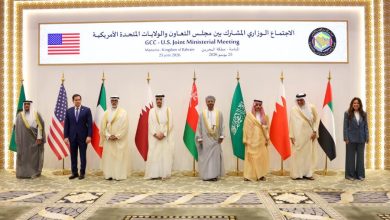
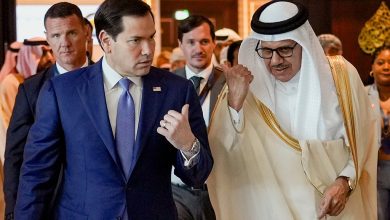
US Secretary of State Marco Rubio on Thursday touted progress in talks between Lebanon and Israel. Speaking to reporters during his visit to Bahrain, Rubio said that both countries are close to reaching a “commitment of intent.”
However, the conflicting demands of Beirut and Tel Aviv further complicate the talks. Lebanon demands a clear timetable for Israeli military withdrawal, while Israel insists on maintaining a buffer zone and retaining freedom of action in southern Lebanon.
The US, meanwhile, is pushing for an agreement that includes a phased Israeli withdrawal from southern Lebanon, a US source told Al-Arabiya.
Israeli Defense Minister Israel Katz said on Wednesday that the US has not asked Israel to withdraw its forces from southern Lebanon, according to AFP.
“We have announced that in any case we are not withdrawing and, as of this moment – and this is a diplomatic achievement – there is no American demand for Israel to withdraw from Lebanon,” Katz said.
Hezbollah – which is not party to the Lebanon-Israel negotiations – rejects disarmament without the withdrawal of Israeli troops from Lebanese territory. The Iranian-backed group also opposes the government’s direct talks with Israel.
Lebanon in US-Iran Deal
While the recently signed US-Iran memorandum of understanding (MoU) states that military operations should end on all fronts, including in Lebanon, Lebanese President Joseph Aoun insisted that Lebanon‘s negotiation path is independent of the US-Iran deal, warning Tehran against using Beirut as a bargaining chip in its talks with Washington.
The first round of US-Iran negotiations, which took place Monday in Switzerland, concluded with an agreement to establish a mechanism to end the fighting in Lebanon.
This includes the creation of a “de-confliction cell” involving the US, Iran and the Lebanese government, and facilitated by mediators Pakistan and Qatar, to “ensure the adherence to the termination of military operations in Lebanon as per the MoU.”