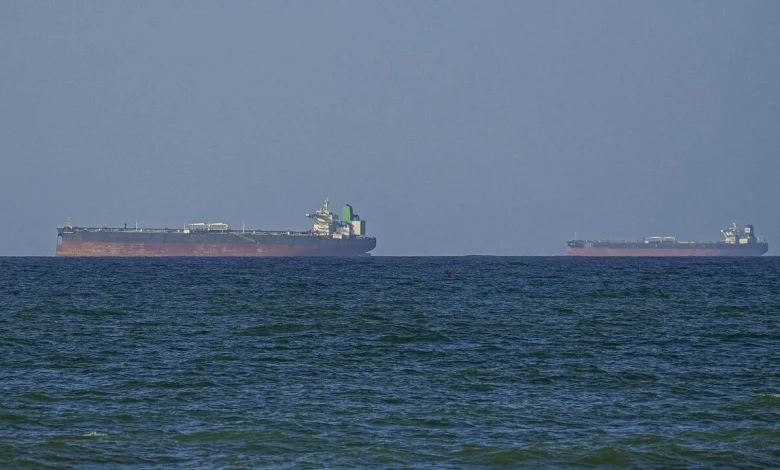
Iran temporarily reopened the Strait of Hormuz on Friday after a Lebanon ceasefire, yet Tehran warned Washington must end its naval blockade immediately. Foreign Minister Abbas Araqchi announced the strategic chokepoint welcomed commercial vessels during the US-brokered 10-day truce. However, significant uncertainty still clouds shipping’s quick return to normal operations today.
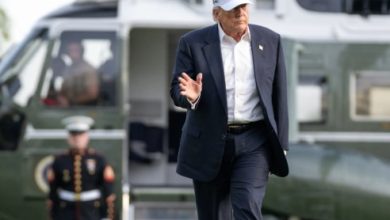
President Donald Trump called Araqchi’s announcement “a great and brilliant day for the world” during an Arizona rally. Conversely, Iran’s parliament speaker Mohammad Baqer Qalibaf sharply responded that the strait “will not remain open” if the US blockade continues, stating that Trump made multiple false claims about Friday’s peace talks.
Therefore, diplomatic tensions persist despite the temporary reopening today. Moreover, Iran now requires all ships coordinate with the Islamic Revolutionary Guard Corps, a new wartime protocol. Additionally, military vessels linked to hostile forces, including US and Israeli ships, remain strictly prohibited from passage.
Shipping Companies Seek Clarity on Security Risks
Vessel traffic data showed approximately 20 ships approaching the strait Friday evening, but most turned back unexpectedly. Shipping companies cautiously welcomed Iran’s announcement yet demanded clarifications about mine risks before proceeding.
Moreover, the US Navy warned seafarers that they do not fully understand the mine threat in parts of the waterway. Consequently, international partners discussed joining a protective shipping mission when conditions permit soon.
Furthermore, the Defense Ministry stated hostile military vessels still cannot pass through the strategic waterway. Therefore, commercial operators await clearer safety guarantees before committing vessels to the route.
Peace Talks Advancing
A senior Iranian official expressed hope for a preliminary agreement extending next week’s ceasefire expiration date. That extension could buy crucial time for sanctions relief and war damages compensation negotiations now.
Meanwhile, Trump stated “no money will exchange hands in any way, shape or form” regarding asset unfreezing. Additionally, nuclear talks show divergent positions; the US proposes a 20-year suspension while Iran suggests three to five years. Nevertheless, Iranian sources hint at compromise possibilities on stockpile removal quickly.
A Pakistani mediator indicated an upcoming meeting could produce an initial memorandum of understanding. Subsequently, negotiators might finalize a comprehensive peace agreement within 60 days, sources suggest.
Despite Trump’s optimism, Iranian sources told Reuters that “gaps remained to be resolved” before any preliminary agreement. Furthermore, senior clerics struck a defiant tone during Friday prayers in Tehran. “Our people do not negotiate while being humiliated,” cleric Ahmad Khatami declared firmly. Therefore, the path to lasting peace requires bridging significant diplomatic divides quickly.