Seaweed Farming Initiative Emerges in Amaala, Red Sea
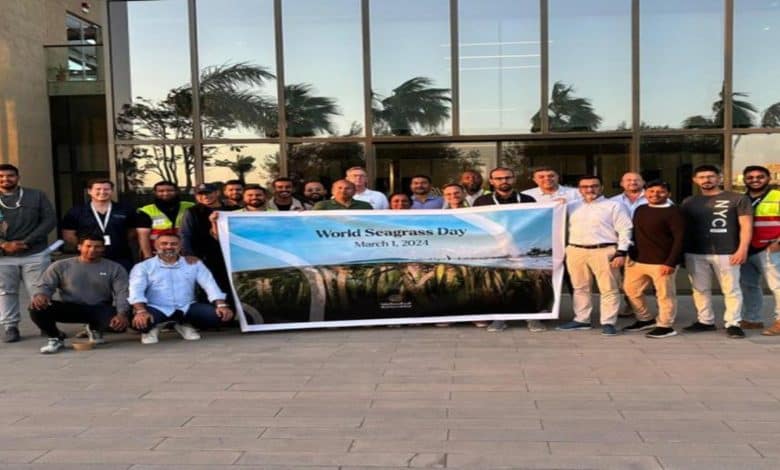
Nestled along the pristine shores of the Red Sea, the visionary destination of Amaala is not just a haven for luxury and leisure but also a hub for sustainable innovation. Among its groundbreaking initiatives, seaweed farming has emerged as a beacon of environmental stewardship and economic opportunity.
Seaweed Farming: A Sustainable Solution
Accordingly, Seaweed farming, also known as seaweed cultivation involves the deliberate cultivation of seaweed species for various purposes, ranging from food and medicine to biofuels and cosmetics. This practice offers a sustainable alternative to traditional agriculture. It also contributes to marine ecosystem restoration and carbon sequestration.
The Rich Marine Ecosystem of the Red Sea
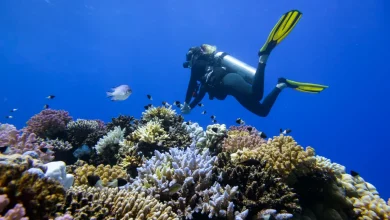
Moreover, the Red Sea, renowned for its vibrant coral reefs and abundant marine life, provides an ideal environment for seaweed cultivation. With its clear waters, and nutrient-rich currents, this marine oasis offers a fertile ground for cultivating diverse species of seaweed.
Amaala: Pioneering Seaweed Farming in the Region
Additionally, situated along the Red Sea coast, Amaala poises to become a global leader in sustainable tourism and environmental conservation. Leveraging its unique geographical features, Amaala embraces seaweed farming as a cornerstone of its holistic development strategy.
Environmental Benefits of Seaweed Farming
Seaweed farming in Amaala offers a myriad of environmental benefits, including:
Carbon Sequestration: Seaweed acts as a natural carbon sink, absorbing carbon dioxide from the atmosphere and mitigating the impacts of climate change.
Biodiversity Enhancement: By providing habitat and food for marine organisms, seaweed farms promote ecosystem resilience.
Water Quality Improvement: Seaweed cultivation helps to filter pollutants from the water, enhancing water quality and supporting healthy marine ecosystems.
Economic Opportunities for Local Communities
In addition to its environmental benefits, seaweed farming holds immense potential for socio-economic development in Amaala. By creating employment opportunities, seaweed farming contributes to sustainable livelihoods for coastal communities.
Future Prospects and Challenges
Conversely, while the prospects for seaweed farming in Amaala are promising, several challenges must be addressed to ensure its long-term viability. These include technological innovation, infrastructure development, and market access. By addressing these challenges, Amaala can unlock the full potential of seaweed farming and pave the way for a sustainable future.
Furthermore, Seaweed farming in Amaala represents a harmonious blend of environmental conservation, and social empowerment. As Amaala continues to chart its course towards sustainability, seaweed farming stands as a shining example of its commitment to preserving the Red Sea. At the same time, this fosters socio-economic progress for generations to come.
Related Topics
Yanbu: Jewel of Red Sea in Saudi Arabia
Red Sea Global, Four Seasons Launch New Resort at AMAALA