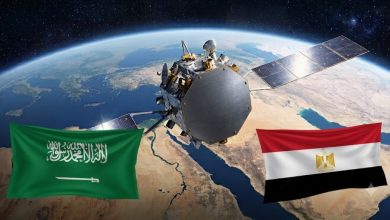
The Saudi Space Agency has reaffirmed its commitment to monitoring the rising levels of space weather activity and solar eruptions anticipated in 2025, noting their potential impact on critical systems such as satellite communications, space-based services, and air navigation. These efforts aim to support specialists and researchers by providing timely insights that facilitate the observation of space weather conditions, assessment of potential effects, and implementation of necessary precautionary measures.
The agency stated that the solar cycle is projected to reach its peak in 2025, likely bringing increased solar radiation. It also emphasized the need to deepen international cooperation to ensure the availability of accurate, real-time data that strengthens the resilience of various sectors.

As part of broader national efforts to advance the Kingdom’s space weather monitoring capabilities, the agency announced in May 2025 the planned launch of the first Saudi satellite dedicated to space weather observation. Developed in partnership with NASA and the National Industrial Development and Logistics Program (NIDLP)—a Saudi Vision 2030 realization program—the mission aims to enhance national capacity to track solar activity and boost the preparedness of vital sectors.
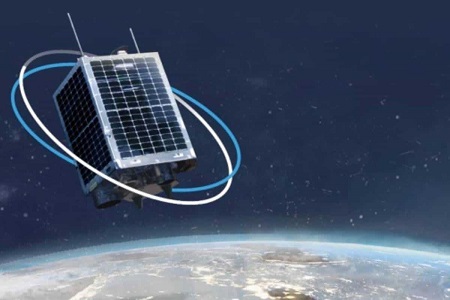
Finally, the satellite will provide precise data to support the continuity of communication networks, satellite operations, navigation systems, and aviation, reinforcing safety and reliability across these essential domains.
Related Topics:
‘Beyond Earth: Journeys to the Star’: Saudi Space Agency, NASA Discuss Space Exploration
Saudi Communications & Space Authority’s 2023 Achievements: Year in Review
Royal Commission for AlUla Signs Partnership With Space for Giants
KSA, US to Enhance Cooperation in Space Exploration