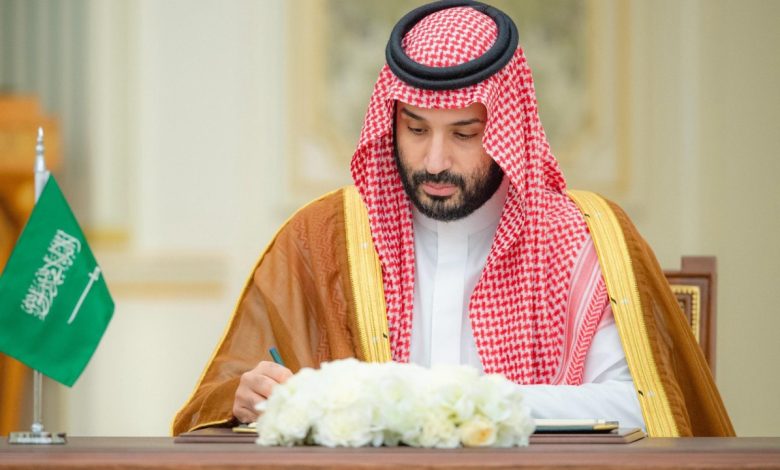
Driving the news: The Saudi Cabinet, chaired by Crown Prince Mohammed bin Salman, declared on Tuesday that the terrorist Houthi militia will face strict consequences for its recurrent criminal acts and assaults. These aggressive operations have targeted airports across the Kingdom, the holy sites of Makkah and Madinah, pilgrims, and vital civilian and economic infrastructure. Furthermore, the leadership expressed profound condolences to the families of the victims resulting from these criminal targeting incidents while wishing the injured a swift recovery.
Why it matters: The attacks have killed at least 16 people, injured hundreds and disrupted flights at major Saudi airports. These strikes directly disrupt critical aviation infrastructure, international commerce, and national civil safety. Furthermore, escalating regional tensions complicate diplomatic efforts to stabilize regional maritime transit, oil output, and trade supply routes.
Cabinet Backs Saudi Defenses
The council praised the Saudi Armed Forces for defending the homeland, protecting national assets and deterring any threat to the Kingdom’s sovereignty and the safety of citizens and residents.
Moreover, the Cabinet offered condolences to the victims’ families and wished the injured a speedy recovery.
“The Houthi terrorist militia will face the consequences of its crimes and sinful repeated attacks,” the cabinet said.
It also said the forces had acted with competence and resolve. Therefore, the council reaffirmed Saudi Arabia’s commitment to remain “a homeland of security and safety” while pursuing development, prosperity, peace and regional stability.
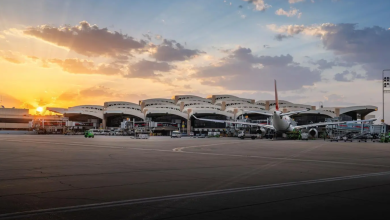
The statement followed a series of Houthi attacks on Saudi airports. Reuters reported that one person died and nearly a dozen people suffered injuries in a Sunday attack on Riyadh’s King Khalid International Airport. A day earlier, a strike that the Houthis claimed killed 13 people and injured more than 300.
Reports added that the Houthi group claimed four operations within 24 hours. The group said it targeted King Khalid airport, King Fahd International Airport in Dammam, and two Aramco-linked energy facilities in the Eastern Province. It also warned airlines, airport workers and travellers against using Saudi airports, while excluding Makkah and Madinah from its threat.
Saudi authorities, however, rejected the threat through defensive action. The Saudi-led coalition said it intercepted and destroyed missiles targeting the Kingdom. It also reported damage and a fire at a passenger terminal at King Khalid airport after what it described as an unidentified projectile.
By the numbers:
- 13 people killed: A Riyadh airport attack on Saturday, according to Saudi authorities and international reporting.
- More than 300 injured: The same attack affected people from several nationalities.
- One person killed and nearly 12 injured: A subsequent Riyadh airport attack on Sunday.
- Three people killed and 36 injured: Earlier attacks on King Khalid and Abha airports, according to Saudi civil aviation authorities.
- More than 80 Houthi military sites hit: The Saudi-led coalition said it struck sites in Saada, Hudaydah, Al Jawf and Marib.
Riyadh Signals Stronger Action
The coalition said the attacks “will not go unpunished.” It later reported intercepting a ballistic missile north of Riyadh and tracking its launch platform in Houthi-controlled Sanaa.
Meanwhile, Saudi authorities extended the closure of King Khalid airport to complete safety checks and confirm operational readiness. Qatar Airways also suspended flights to and from Riyadh and Dammam because of the security situation.
What’s next: Regional governments backed Riyadh. Turkey, Pakistan, Egypt and Saudi Arabia described the attacks as a “dangerous escalation that cannot be justified or accepted under any pretext.” The four countries also supported all “legitimate measures and steps” Saudi Arabia takes to deter further attacks.
The developments have intensified the regional conflict. The Houthis seized Sanaa in 2014, prompting a Saudi-led coalition to intervene in support of Yemen’s internationally recognised government. The group denies acting as an Iranian proxy, while Saudi Arabia and its allies accuse Iran of providing weapons, training and funding.