Riyadh to Host Groundbreaking Meeting of Global Alliance for Two-State Solution: A Step Toward Middle East Peace
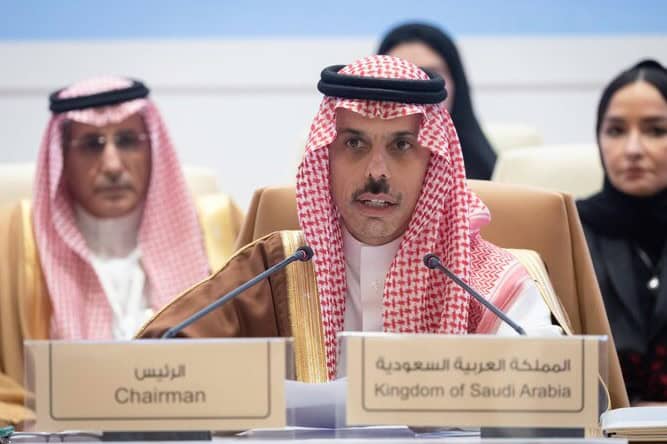
In a significant move that could reshape the trajectory of the Israeli-Palestinian conflict, a new global alliance dedicated to advancing the two-state solution will hold its first meeting in Riyadh, Saudi Arabia. This momentous gathering will bring together leading international stakeholders, policymakers, and advocates, united in their pursuit of a just, lasting peace between Israelis and Palestinians. The alliance’s formation and inaugural meeting symbolize a renewed commitment to diplomacy, dialogue, and the pursuit of peaceful coexistence in the heart of the Middle East.
As the conflict continues to define the geopolitical landscape of the region, efforts to achieve a two-state solution—a cornerstone of global diplomacy for decades—have faced significant setbacks. However, the convening of this global alliance signals a hopeful shift, reinvigorating diplomatic efforts toward resolving one of the world’s most protracted conflicts. Saudi Arabia, which has long played a pivotal role in Middle Eastern diplomacy, is now positioning itself at the forefront of international efforts to secure a future where both Israelis and Palestinians can live side by side in peace and security.
The Significance of the Global Alliance for a Two-State Solution
The concept of a two-state solution has been central to international efforts to resolve the Israeli-Palestinian conflict for decades. It has been envisioned as the only viable resolution to one of the most contentious conflicts in modern history. The idea is straightforward: the creation of an independent Palestinian state alongside Israel, with both states coexisting in peace within secure and recognized borders. This vision has garnered significant international support and is enshrined in numerous United Nations resolutions, including Resolution 242, which calls for Israel to withdraw from territories occupied during the 1967 Six-Day War and for the recognition of the sovereignty of all states in the region.
However, despite the overwhelming endorsement of the two-state solution by the international community, the path to its realization has been fraught with challenges. These include disagreements over borders, the status of Jerusalem, Palestinian refugee rights, and the security concerns of Israel. As a result, the two-state solution has faced setbacks and stagnation, with no substantive progress toward peace in recent years. In this context, the formation of the Global Alliance for a Two-State Solution is a beacon of hope, signaling the potential for renewed momentum toward a lasting peace agreement.
The alliance’s objective is not only to reaffirm support for the two-state solution but also to build a practical framework for achieving it. By bringing together a diverse range of stakeholders, the alliance seeks to create a multilateral platform for addressing the various obstacles that have hindered peace efforts in the past. This approach is based on the understanding that no single actor, be it Israel, Palestine, or any other country, can solve this conflict alone. Rather, the alliance aims to leverage the collective influence of its members to facilitate meaningful dialogue and create solutions that are fair, sustainable, and inclusive.
The Role of Saudi Arabia in Promoting Peace
Saudi Arabia has long been an influential player in the Middle East and has consistently advocated for a peaceful resolution to the Israeli-Palestinian conflict. The Kingdom has historically supported the Arab Peace Initiative, which was proposed by King Abdullah of Saudi Arabia in 2002. The initiative called for a comprehensive peace agreement based on the establishment of an independent Palestinian state and the normalization of relations between Israel and Arab states. Despite garnering significant international support, the Arab Peace Initiative has yet to be fully implemented.
Saudi Arabia’s involvement in the formation of the Global Alliance for a Two-State Solution underscores its continued commitment to resolving the Israeli-Palestinian conflict. The Kingdom has repeatedly stated its support for the establishment of a sovereign and independent Palestinian state with East Jerusalem as its capital, as per the aspirations of the Palestinian people. This stance has remained a core element of Saudi Arabia’s foreign policy, and Riyadh’s leadership in hosting this first-ever meeting of the alliance demonstrates its determination to pursue diplomatic efforts in favor of peace.
The role of Saudi Arabia in facilitating this global effort is crucial because the Kingdom enjoys diplomatic ties with both the Palestinian leadership and Israel. Over the years, Saudi Arabia has served as a bridge between Arab nations and Israel, particularly after the normalization of relations between Israel and several Arab states under the Abraham Accords. While Saudi Arabia has not yet normalized relations with Israel, it has taken steps to increase cooperation in areas such as security, technology, and intelligence, signaling a willingness to engage in constructive dialogue. This position places Saudi Arabia in a unique position to lead efforts to bring the Israeli and Palestinian sides back to the negotiating table.
Key Objectives of the Global Alliance
The inaugural meeting of the Global Alliance for a Two-State Solution in Riyadh is expected to focus on several key objectives that will guide the alliance’s efforts in the coming years. These objectives are designed to address the core issues of the Israeli-Palestinian conflict and provide a roadmap for achieving a lasting peace:
- Reaffirming Global Commitment to the Two-State Solution: One of the primary goals of the alliance is to reaffirm the global community’s unwavering support for the two-state solution. Despite the setbacks of recent years, the two-state solution remains the most widely accepted framework for peace. The alliance aims to galvanize international support for this approach and work toward a renewed commitment to achieving a just and lasting resolution.
- Facilitating Direct Dialogue Between Israelis and Palestinians: At the heart of the alliance’s efforts is the need to facilitate direct dialogue between the Israeli and Palestinian leaderships. The alliance will work to create opportunities for both sides to engage in meaningful conversations about the key issues that divide them, including borders, security, refugees, and the status of Jerusalem. By providing a neutral platform for dialogue, the alliance hopes to foster an environment in which both sides can negotiate in good faith.
- Addressing Humanitarian Issues: The humanitarian situation in the Palestinian territories, particularly in Gaza and the West Bank, is dire. Thousands of Palestinians continue to live in poverty, while others face restrictions on movement, access to healthcare, and education. The alliance will work to address these humanitarian concerns by mobilizing international resources and ensuring that the Palestinian people receive the aid they need to survive. This includes funding for infrastructure, healthcare, and educational initiatives.
- Promoting Peacebuilding and Reconciliation: Achieving peace requires more than just a political agreement—it also requires a change in mindset. The alliance will focus on peacebuilding efforts that aim to promote understanding, tolerance, and reconciliation between Israelis and Palestinians. This will include initiatives to reduce tensions, combat extremism, and foster a culture of peace among the younger generations on both sides.
- Strengthening International Legal Frameworks: One of the challenges to peace has been the lack of a consistent and enforceable international legal framework. The alliance will work to strengthen international legal mechanisms to support the peace process, including ensuring that any agreement reached is based on international law and human rights principles. The involvement of international organizations such as the United Nations, the European Union, and the Arab League will be critical in this regard.
- Fostering Economic Development: Economic cooperation is key to achieving long-term peace. The alliance will seek to promote economic initiatives that encourage collaboration between Israelis and Palestinians in sectors such as agriculture, energy, and technology. By fostering economic interdependence, the alliance hopes to create incentives for peace and provide tangible benefits to both peoples.
- Ensuring Security for Both Israelis and Palestinians: Security remains one of the most contentious issues in the conflict. Both Israel and the Palestinians have legitimate security concerns, and a sustainable peace agreement must address these concerns. The alliance will work to develop a security framework that ensures the safety and security of both Israelis and Palestinians while respecting their sovereignty.
Global Implications and Significance of the Alliance
The establishment of the Global Alliance for the Two-State Solution has far-reaching implications for both the Israeli-Palestinian conflict and the broader Middle East. The alliance is poised to provide a fresh perspective on how the international community can work together to address the challenges that have plagued peace efforts for decades.
The formation of the alliance also underscores the growing realization that peace in the Middle East is not just a regional concern—it is a global one. The Israeli-Palestinian conflict has had a profound impact on international relations, influencing geopolitics, security concerns, and economic stability in the region and beyond. A peaceful resolution to this conflict could serve as a catalyst for broader regional stability, benefiting neighboring countries such as Jordan, Egypt, and Lebanon, as well as the broader international community.
Furthermore, the successful implementation of a two-state solution would be a landmark achievement for global diplomacy. It would demonstrate that even in the most intractable conflicts, lasting peace can be achieved through dialogue, cooperation, and a commitment to justice. This would set a powerful example for other regions experiencing conflict and inspire international efforts to resolve disputes through peaceful means.
The Path Forward: Challenges and Opportunities
While the formation of the Global Alliance for the Two-State Solution is a significant step forward, many challenges remain. The political realities on the ground are complex, and the conflict’s deep-rooted history and emotional stakes make it difficult to reach a final resolution. Both Israelis and Palestinians have suffered tremendous losses, and the scars of the conflict run deep.
However, the very existence of the alliance offers hope. It represents a renewed commitment by the international community to find a peaceful solution to the Israeli-Palestinian conflict. The alliance’s emphasis on multilateral cooperation, humanitarian support, and economic development reflects a holistic approach to peace that goes beyond mere political negotiations. It recognizes that peace cannot be achieved in isolation; it requires the collective effort of the global community.
A New Chapter for Peace
As the first meeting of the Global Alliance for the Two-State Solution draws near, the world watches with hope and anticipation. This gathering in Riyadh represents a pivotal moment in the long struggle for peace between Israelis and Palestinians. It is an opportunity for world leaders to come together, put aside differences, and work toward a common goal—peace. The alliance’s formation signals that, despite the challenges, the dream of a two-state solution remains alive, and with continued effort, it may one day become a reality.